

Are your fruit trees looking a little unruly? Pruning can feel daunting, but it’s essential for healthy growth and a bountiful harvest. Knowing when to prune your trees can make all the difference in their productivity and overall health.
Key Takeaways
- Prune During Dormant Season: The best time for pruning is late winter or early spring, before buds swell, to promote vigorous growth and fruit production.
- Focus on Structure and Airflow: Remove dead or diseased branches and thin crowded areas to improve airflow and light penetration, reducing disease risks.
- Manage Tree Size in Growing Season: After leaf emergence, prune excessive growth and suckers to direct energy towards fruit development.
- Recognize Pruning Signs: Look for dead branches, overcrowded canopies, and signs of diseases to determine when it’s time to prune.
- Avoid Common Mistakes: Prune at the right time, avoid over-pruning, and never remove more than 25% of the tree’s canopy in a single season to maintain tree health.
Understanding Fruit Tree Growth Cycles
Understanding fruit tree growth cycles helps you determine the best times for pruning. Both the dormant and growing seasons play crucial roles in maintaining tree health and enhancing productivity.
Dormant Season Pruning
Dormant season pruning typically occurs in late winter or early spring before the buds swell. This timing encourages vigorous new growth during warmer months.
- Establish Structure: Start by removing dead, damaged, or diseased branches. Focus on branches that cross each other; this can create wounds that invite pests or diseases.
- Thin for Airflow: Thin out crowded areas to improve airflow and light penetration. This practice reduces fungal diseases and promotes even ripening of fruit.
- Shape the Tree: Shape the canopy to a desirable form, such as an open center or central leader. This enhances structural integrity and supports future fruit production.
Growing Season Pruning
Growing season pruning occurs when the tree actively grows, usually after leaf emergence. This method is less intensive but beneficial for managing tree health.
- Removing Suckers: Begin with the removal of suckers—those shoots that grow from the base or lower trunks. These divert energy from fruit production and can be pulled off by hand.
- Pinching New Growth: Pinch or prune excessive new growth on fruiting branches. This practice focuses the tree’s energy on developing existing fruit rather than excess leaves.
- Managing Size: Keep an eye on tree height and spread. Trim back overly vigorous branches, ensuring that sun exposure remains optimal for all parts of the tree.
Both dormant and growing season pruning enhance tree health. Understanding these cycles maximizes your fruit tree’s potential.
Signs That Indicate It’s Time to Prune
Recognizing the signs that indicate it’s time to prune fruit trees is essential for maintaining their health and productivity. Here are key indicators to look for:
Recommended Products

IDEAL BRANCH TRIMMER: 28" Steel blade garden bypass lopper that glides through up to 1.5" thick branches for easy cuts; Works well for trimming tree branches to maintain your yard and garden, and to encourage overall plant health and appearance
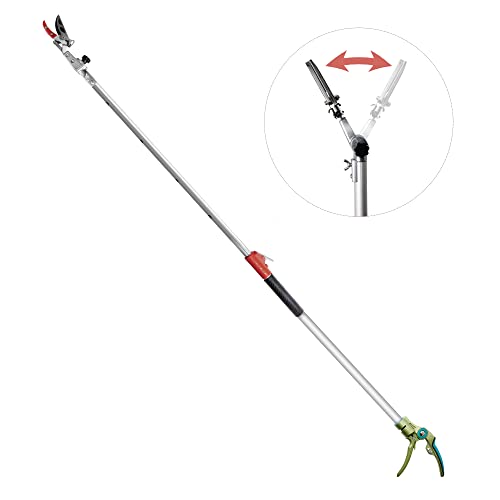
[Helpful Garden Tool] GARTOL brings to you a lightweight and extendable pruning tool to reach out to the least approachable arenas of your garden. You can conveniently get across other plants to remove the fastgrowing brambles and sting nettles without getting scratched or hurt. For gardening lovers, the telescopic pruner cutter head can can be rotated which resolves mobility issues and gives you the pleasure of trimming your garden without bending down or using a ladder to climb and cut them.

1:EXTENDABLE REACH FOR LADDER-FREE SAFETY – Acting as both a reliable tree pruner and a fruit picker pole, this tool effortlessly extends from 3.28 to 5.25 FT to reach high branches up to 10 FT from the ground. The innovative rotating and locking head allows for precise angles without unstable ladders or risky stretching, ensuring maximum safety.
Dead or Diseased Branches
Dead or diseased branches pose risks to your tree’s overall health. These branches can harbor pests and diseases. Regularly inspect your fruit trees for branches that show signs of decay, such as:
- Brittleness: If a branch snaps easily, it may be dead.
- Discoloration: Watch for dark or blackened areas, which can indicate disease.
- Mushroom Growth: Fungal growth on branches signals rot or decay.
Prune these branches immediately, as this encourages healthier growth and prevents disease spread.
Overcrowded Canopy
An overcrowded canopy restricts light and airflow to the interior of the tree. This condition can lead to poor fruit production and increase the risk of disease. Look for the following signs:
- Branches Crossing: If branches rub against each other, prune to create space.
- Dense Foliage: Excess leaves can prevent sunlight from reaching lower branches.
- Limited Airflow: A crowded canopy hinders airflow, raising humidity and encouraging diseases.
Thinning out crowded areas allows your trees to thrive by promoting better air circulation and light penetration. Aim for a balanced structure while keeping the tree’s natural shape in mind.
Best Practices for Pruning Fruit Trees
Pruning fruit trees requires specific tools, techniques, and timing to ensure healthy growth and optimal fruit production.
Recommended Products

IDEAL BRANCH TRIMMER: Fiskars 28-Inch Power-Lever Bypass Garden Lopper glides through branches up to 1.75" thick for easy cuts; Works well for trimming tree branches to maintain your yard and garden and encourage overall plant health and appearance
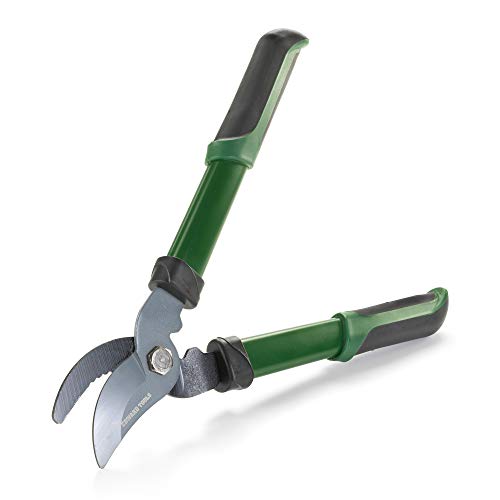

Cut Live Branches Up to 1.5 Inches Thick: This bypass tree trimmer is perfect for trimming green wood, helping you keep your yard tidy, promote healthy plant growth, and enhance the beauty of your outdoor space
Tools and Techniques
- Bypass Pruners: Use bypass pruners for clean cuts on small branches. They provide precision and reduce damage to the tree.
- Loppers: Employ loppers for branches up to 2 inches thick. They offer better leverage and reach.
- Pruning Saw: Utilize a pruning saw for larger branches. Choose one with a curved blade for easier cutting.
- Safety Gear: Wear gloves, goggles, and long sleeves for protection. Sharp tools can lead to accidents, so prioritize safety.
- Cutting Angle: Make cuts at a 45-degree angle. This helps prevent water accumulation and reduces disease risk.
- Remove Deadwood: Begin by removing all dead, damaged, or diseased branches. This promotes better airflow and tree health.
- Dormant Season: Late winter or early spring are ideal for dormant season pruning. Focus on structural shaping and removal of diseased wood.
- Growing Season: After leaf emergence, manage growth by pruning back excessive new shoots. This supports healthier development throughout the summer.
- Fruit Harvest: Prune immediately after harvesting for varieties like peaches or plums. This helps in shaping the tree before the next growing cycle starts.
- Weather Conditions: Avoid pruning during wet or humid conditions. This minimizes the risk of fungal infections.
Be attentive to your tree’s growth patterns and adjust your approach based on specific needs. Proper tools and timing enhance the overall health and productivity of your fruit trees.
Common Mistakes to Avoid
Pruning your fruit trees requires careful timing and technique. Avoiding common mistakes is essential for promoting healthy trees and maximizing your harvest.
Pruning Too Early or Late
Timing plays a critical role in the success of your pruning efforts. Pruning too early, during late fall or winter, can expose trees to harsh winter conditions, leading to damage. Pruning too late in the spring may remove vital buds, reducing fruit yield. Aim for late winter or early spring for dormant season pruning. For the growing season, prune after flowering to maintain fruit development.
Over-Pruning
Over-pruning can weaken your trees and diminish fruit production. Removing too many branches disrupts growth and can lead to sunburned bark. Focus on removing dead, diseased, or crossing branches to enhance airflow without stripping the tree of vital foliage. Keep a good rule of thumb: never remove more than 25% of a tree’s canopy in one season to ensure robust health and productivity.
Conclusion
Pruning your fruit trees at the right time is vital for their health and productivity. By paying attention to growth cycles and recognizing the signs that indicate when to prune, you can help your trees thrive. Whether you choose to prune during the dormant season or the growing season, each method has its own benefits that contribute to better airflow and enhanced fruit production.
Remember to avoid common mistakes like over-pruning and timing issues. With the right techniques and tools, you’ll be well on your way to enjoying a bountiful harvest. So grab those pruners and give your trees the care they deserve. Happy pruning!
Frequently Asked Questions
What is the importance of pruning fruit trees?
Pruning fruit trees is essential for maintaining their health and boosting productivity. It encourages new growth, improves airflow, and shapes the tree for better structure. Regular pruning prevents diseases by removing damaged or dead branches, leading to a more fruitful harvest.
When is the best time to prune fruit trees?
The best time to prune fruit trees is during the dormant season, typically late winter to early spring. This timing promotes vigorous growth. Pruning during the growing season focuses on managing health and size, usually after the leaves have emerged.
What signs indicate it’s time to prune fruits trees?
Key signs include dead or diseased branches, overcrowded canopies, and crossing branches. Look for brittleness, discoloration, and fungus growth to identify dead branches. An overcrowded canopy results in dense foliage and limited airflow, which requires pruning.
What tools are recommended for pruning fruit trees?
Recommended tools include bypass pruners for small branches, loppers for branches up to 2 inches, and pruning saws for larger branches. Always wear safety gear, such as gloves and goggles, while pruning to prevent accidents.
What mistakes should be avoided when pruning fruit trees?
Avoid pruning too early or late, as this can stress the trees and remove vital buds. Also, do not over-prune; aim to remove no more than 25% of the canopy in one season. Focus on dead or crossing branches to maintain tree health.
