

Ever wondered when to use an anvil pruner in your gardening adventures? Picture this: you’re faced with thick, woody stems that just won’t budge with your regular pruners. That’s where the trusty anvil pruner comes in to save the day!
So, when should you reach for this mighty tool in your shed? In this article, we’ll unravel the mystery behind the perfect moments to wield your anvil pruner with finesse.
What is an Anvil Pruner?
An anvil pruner is a gardening tool designed for cutting through thick and woody stems. It consists of a single sharp blade that closes against a flat edge, known as the anvil. When you use an anvil pruner, the blade strikes the plant material against the anvil, crushing and slicing through it.
- Function: An anvil pruner is perfect for tackling tough cuts on dead or hard branches that regular pruners might struggle with.
- Design: Its design concentrates force onto a single point, allowing for precision cuts.
- Usage: Ideal for clean cuts on thicker branches or stems, promoting plant health by preventing crushing injuries.
An anvil pruner can be a valuable addition to your gardening arsenal, especially when dealing with tough, woody growths that demand more cutting power.
Recommended Products


Serrated anvil pruning shears for easy cuts on dead wood
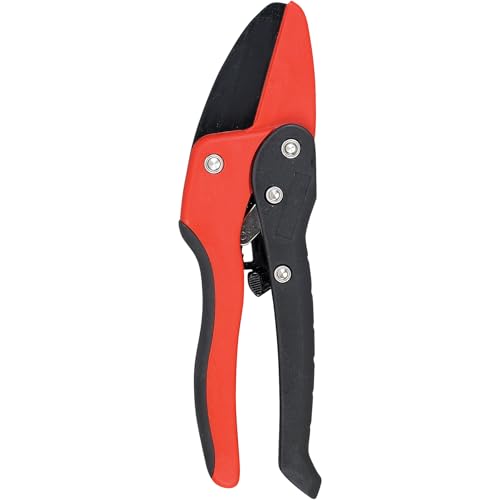
Powerful Ratcheting Cutting Action – Ratchet mechanism cuts in stages to increase leverage, making it easier to trim thicker stems and branches with reduced hand effort and fatigue.
Advantages of Using an Anvil Pruner
When it comes to gardening, having the right tools handy can make a significant difference in the results you achieve. Here are some advantages of using an anvil pruner:
- Effective Cutting Power: An anvil pruner’s design allows for efficient cutting through thick and woody stems with less effort than traditional pruners.
- Precise Cuts: The concentrated force applied by the sharp blade against the anvil ensures clean and precise cuts on branches, promoting plant health.
- Versatility: An anvil pruner is versatile and can be used for a variety of plant types, making it a go-to tool for various pruning needs.
- Durability: Built to handle tough cuts, anvil pruners are durable and designed to withstand heavy use over time.
- Safety: By providing controlled cutting, an anvil pruner can help reduce the risk of injuries from branches slipping or crushing during pruning.
Next, let’s delve into scenarios where using an anvil pruner can truly elevate your gardening experience.
When to Use an Anvil Pruner
An anvil pruner is your go-to tool in various scenarios due to its unique cutting mechanism. Here are some instances where using an anvil pruner is particularly advantageous:
- Pruning Thick Stems: When you encounter woody or tough stems that need trimming, the anvil pruner’s sturdy blade makes the task effortless.
- Deadheading: When maintaining plants by removing spent flowers or dead parts, the precise cutting action of an anvil pruner helps promote plant growth.
- Harvesting Fruits: Whether you’re collecting fruits from your garden or pruning fruit trees, the anvil pruner’s clean cuts safeguard plant health.
- Trimming Dry Branches: Dry or fragile branches are easily managed with an anvil pruner, ensuring clean cuts without causing unnecessary damage.
- General Pruning: For overall garden upkeep, an anvil pruner is a versatile tool that can handle a variety of pruning tasks across different plant types.
Remember, the anvil pruner’s cutting power combined with its precision and durability makes it an essential companion for your gardening adventures.
Tips for Using an Anvil Pruner Effectively
- Maintaining Sharpness: Regularly sharpen the blade for clean cuts.
- Proper Hand Placement: Position your hand correctly on the pruner for optimal control and leverage.
- Choosing the Right Anvil Pruner: Select a pruner suitable for the task at hand, considering the plant type and size of branches.
- Cleaning and Maintenance: Keep your anvil pruner clean and lubricated for smooth operation.
- Cutting Technique: Use a steady, smooth motion to cut without crushing the plant tissue.
Remember, a well-maintained anvil pruner used with proper techniques can significantly enhance your gardening experience.
Recommended Products

GARDENING ESSENTIAL: The Fiskars Power-Lever Hand Pruner with anvil blade design is ideal for pruning dry, dead growth when dead-heading flowers, stripping small logs, or cutting back branches and stems that died over the winter

Ultra Sharp Blades: SK-5 steel Blades with black coating is ultra-strong, rust and corrosion resistant and sharp enough for most pruning projects, make pruning much more easier(Cutting capacity:0.75in/19mm).Anvil Groove design is better suited for dead and dried-out plants, stubborn tree branches.

What Makes VT-X850 Stand Out for UK Gardeners? ✅ 𝐏𝐚𝐭𝐞𝐧𝐭𝐞𝐝 𝐒𝐭𝐞𝐩𝐥𝐞𝐬𝐬 𝐇𝐚𝐧𝐝𝐥𝐞 (Fits All Hand Sizes – No More Aching Wrists, Even in Damp Gardens!) ✅ 𝐒𝐞𝐚𝐥𝐞𝐝 𝐑𝐮𝐬𝐭-𝐏𝐫𝐨𝐨𝐟 𝐒𝐩𝐫𝐢𝐧𝐠 (Built to Brave Damp Weather All Year Round) ✅ 𝐀𝐦𝐛𝐢𝐝𝐞𝐱𝐭𝐫𝐨𝐮𝐬 𝐒𝐚𝐟𝐞𝐭𝐲 𝐋𝐨𝐜𝐤 – 𝐆𝐥𝐨𝐯𝐞𝐝-𝐇𝐚𝐧𝐝 𝐅𝐫𝐢𝐞𝐧𝐝𝐥𝐲 (Left/Right Users, Rain or Shine) ✅ 𝐏𝐨𝐰𝐞𝐫𝐟𝐮𝐥 𝐀𝐧𝐯𝐢𝐥 𝐂𝐮𝐭𝐭𝐢𝐧𝐠 𝐒𝐲𝐬𝐭𝐞𝐦 — Built for Dry Branches & Dead Stems
Conclusion
You now have a deeper understanding of the versatility of an anvil pruner in gardening tasks. From effortlessly pruning thick stems to promoting plant growth through deadheading, this tool proves invaluable in various scenarios. Remember, maintaining sharpness, proper hand placement, and selecting the right pruner are key to its effective use. By incorporating these tips into your gardening routine, you’ll enhance your pruning experience and ensure the health and vitality of your plants. An anvil pruner, when used correctly, can be a reliable companion in your gardening endeavors, making tasks easier and more efficient.
Frequently Asked Questions
Q: What are the primary advantages of using an anvil pruner in gardening?
A: An anvil pruner excels in cutting power, precision, and durability. It is perfect for effortlessly pruning thick stems, deadheading for plant growth promotion, harvesting fruits without harming plants, trimming dry branches safely, and handling general pruning tasks for various plant types.
Q: How can I effectively use an anvil pruner?
A: To make the most of an anvil pruner, ensure it stays sharp, place your hand correctly while using it, choose the right tool for the job, keep it clean and maintained, and utilize a steady cutting technique. Proper maintenance and usage techniques can significantly enhance your gardening experiences with an anvil pruner.
