

Have you ever wondered which fruit trees work best when planted side by side? Choosing the right companions for your garden can make all the difference in growth and yield. Imagine biting into a juicy peach or a sweet apple, all thanks to the perfect pairing of trees in your backyard.
Key Takeaways
- Companion Planting Benefits: Strategically planting compatible fruit trees together enhances growth and fruit quality through support in pollination, pest management, and nutrient sharing.
- Ideal Pairings: Successful pairings include apples with pears, cherries with plums, and various citrus trees, each benefiting from mutual pollination and similar growing conditions.
- Soil and Climate Compatibility: Understanding soil types (sandy loam and clay loam) and climate requirements is essential for growing healthy fruit trees that yield bountiful harvests.
- Spacing Requirements: Proper spacing between fruit trees, like 20 feet for apples and pears, is crucial to avoid overcrowding and to promote healthy growth and airflow.
- Ongoing Care Practices: Regular maintenance, including watering, pruning, and fertilizing, is key to sustaining tree health and maximizing fruit production in your garden.
Understanding Companion Planting
Companion planting involves strategizing fruit tree placement in your garden for mutual benefits. Planting compatible trees together enhances growth, boosts fruit quality, and optimizes space.
Benefits of Planting Fruit Trees Together
- Pollination Support: Certain fruit trees attract pollinators. For example, pairing apples with cherries can increase fruit set due to enhanced pollinator activity.
- Pest Management: Some trees repel pests that might harm neighboring plants. For instance, planting citrus trees near blueberries can deter harmful insects.
- Nutrient Sharing: Trees with different root structures can absorb nutrients from various soil layers, reducing competition. Placing deep-rooted trees, like almonds, with shallow-rooted options, like strawberries, optimizes nutrient uptake.
- Microclimate Creation: Taller trees can shield shorter ones from harsh weather. For example, a peach tree can provide protection for young fig trees during winter.
- Growth Requirements: Ensure trees share similar needs for sunlight, water, and soil type. For instance, both apples and pears prefer full sun and well-drained soil.
- Mature Size: Account for the mature height and spread of trees. Pair smaller trees, like dwarf varieties, with larger ones to prevent overcrowding.
- Root Structure: Consider the root depth of fruit trees. Avoid placing trees with aggressive roots, like walnuts, near more delicate species.
- Disease Resistance: Choose trees that resist common diseases. Planting resistant varieties together minimizes disease spread, a key practice in orchard management.
- Spacing: Provide adequate spacing between trees to prevent competition for resources. Aim for a minimum of 10 to 15 feet apart for standard-sized trees.
Selecting the right companion fruit trees fosters a thriving garden ecosystem. Make informed choices to promote growth and productivity.
Best Pairings for Common Fruit Trees
Selecting the right fruit tree pairings enhances growth and fruit quality. Below are effective combinations for several common fruit trees.
Recommended Products

🌳 3-Pack Fruit Tree Bundle Includes live apple, blueberry, blackberry trees—perfectly paired for a diverse and productive backyard orchard.

Light: Thrives in full sun for best fruit production.

Fragrant Flowers: Bloom blossoms that provide precious nectar for pollinators like bees, creating your own romantic orchard with heavy fruit and rich flavor
Apple and Pear Trees
Apple and pear trees thrive when planted together. Both trees enjoy similar soil and light requirements. Apples benefit from pear blooms, as they’re excellent pollinators. Choose compatible varieties, such as ‘Honeycrisp’ apples with ‘Bartlett’ pears, to ensure a fruitful yield. Maintain proper spacing of at least 20 feet to prevent overcrowding and allow air circulation.
Cherry and Plum Trees
Cherry and plum trees share similar growing conditions, making them ideal companions. Both prefer well-drained soil and plenty of sunlight. Additionally, they cross-pollinate, enhancing fruit set and size. Pair ‘Bing’ cherries with ‘Stanley’ plums for optimal results. Space them about 15 to 20 feet apart to support healthy growth and reduce competition for nutrients.
Citrus Varieties
Citrus trees, including oranges and lemons, flourish when planted together. They require full sun and well-draining soil, making them a great fit. When planted near each other, they support cross-pollination, which boosts fruit production. Try pairing ‘Valencia’ oranges with ‘Meyer’ lemons. Space them at least 10 to 15 feet apart to allow room for growth and airflow. Regularly monitor for pests and diseases, as citrus trees can be prone to these issues.
Soil and Climate Considerations
Selecting the right soil and climate conditions is vital for the success of your fruit trees. Understanding these factors helps ensure healthy growth and bountiful harvests.
Recommended Products

Kindly NOTE: This soil tester can not be applied to test pH value of any other liquid. If the soil is too dry the indicator will not move, and water it before testing.

KNOW BEFORE YOU GROW | Grow the healthiest, sustainable lawn and garden with the most accurate and easy to use professional soil test kit on the market

Accurate Soil pH Testing: Dewildetradingco Soil pH Test Strips offer measurements of soil pH levels (pH 3.5-9). As an essential tool for every gardener and grower, these test strips help determine the optimal pH for various plants, such as outdoor plants, indoor plants, gardens, grass lawns, fruit trees, flowers, vegetables, and forest shrubs.
Soil Types for Fruit Trees
Fruit trees thrive in well-draining soils rich in organic matter. Sandy loam and clay loam are ideal soil types, as they balance drainage and nutrient retention.
- Sandy Loam: This soil type drains quickly while holding some moisture, perfect for trees like peach and apple.
- Clay Loam: This retains moisture and nutrients well, benefiting trees such as cherry and plum.
Test your soil pH, aiming for a range of 6.0 to 7.0, which works well for most fruit trees. Amend the soil with compost or well-rotted manure to improve fertility. Avoid waterlogged conditions, which can lead to root rot.
Climate Adaptability
Different fruit trees adapt to varying climate zones, impacting their growth and productivity.
- Cool Climates: Trees like apples and pears tolerate frost and require chilling hours, making them suitable for northern regions.
- Warm Climates: Citrus trees, such as oranges and lemons, prefer warm temperatures and need protection from frost.
Research your local climate zone before planting. Choose varieties that are known for their resilience to your weather conditions. Check for disease resistance and adaptability to avoid potential issues in the future.
Additional Tips for Successful Planting
Successful planting of fruit trees requires strategic planning and ongoing care. Implementing proper spacing and maintenance practices enhances your garden’s health and productivity.
Recommended Products

CLEAN CUTS FOR LIVE GROWTH: Bypass blade design is ideal for pruning delicate flower stems and green growth, helping reduce crushing and plant damage while cutting stems and small branches up to 5/8” in diameter

IDEAL BRANCH TRIMMER: 28" Steel blade garden bypass lopper that glides through up to 1.5" thick branches for easy cuts; Works well for trimming tree branches to maintain your yard and garden, and to encourage overall plant health and appearance
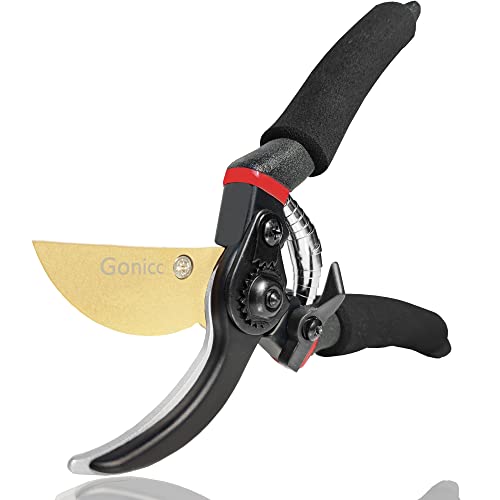
Drop-forged construction delivers exceptional durability and sturdiness for long-term heavy garden use.
Spacing and Layout
Spacing between trees impacts growth and fruit production. Maintain adequate distances to ensure each tree receives sufficient sunlight, water, and nutrients. Here are spacing guidelines for common fruit trees:
- Apple and Pear Trees: Space 20 feet apart for optimal cross-pollination.
- Cherry and Plum Trees: Provide 15 to 20 feet for good airflow and disease prevention.
- Citrus Trees: Keep a distance of 10 to 15 feet to ensure healthy canopy development.
Layout plays a crucial role. Arrange trees by height and growth habits to avoid overshadowing. For example, plant shorter trees like peaches near taller trees like plums. Consider using a trellis system or espaliers to maximize limited space.
Maintenance Practices
Regular maintenance ensures robust growth and fruit yield. Follow these practices for effective care:
- Watering: Water young trees deeply once or twice a week, adjusting frequency based on rainfall. Mature trees usually need less frequent watering.
- Pruning: Prune trees annually to remove dead or diseased branches and encourage airflow. For most fruit trees, aim to prune in late winter or early spring.
- Fertilizing: Apply a balanced fertilizer each spring, following package instructions for amounts. Organic options, like compost or well-rotted manure, provide additional nutrients.
- Pest Management: Monitor trees for pests, using organic pesticides as necessary. Introduce beneficial insects, like ladybugs, to reduce pest populations naturally.
By maintaining proper spacing and implementing effective care techniques, you create a thriving environment for your fruit trees, promoting healthy growth and a bountiful harvest.
Conclusion
Choosing the right fruit trees to plant together can truly transform your garden. By understanding companion planting and the unique needs of each tree, you can create a thriving ecosystem that boosts growth and fruit quality.
Remember to consider spacing and soil requirements to ensure each tree gets the nutrients and sunlight it needs. With a little planning and care you’ll not only enjoy a bountiful harvest but also a beautiful and productive garden. So grab your gardening gloves and start planting those perfect pairings for a fruitful future!
Frequently Asked Questions
What are companion fruit trees?
Companion fruit trees are plants that support each other when grown together in a garden. They can enhance fruit quality, improve pollination, manage pests effectively, and share nutrients. This strategic planting encourages a healthier and more productive garden ecosystem.
How do I choose the right companion fruit trees?
Selecting companion fruit trees involves considering factors like similar growth requirements, mature size, and root structures. It’s essential to know which trees benefit from one another, such as apples and pears for cross-pollination, to optimize growth and yield.
What are the spacing requirements for fruit trees?
Proper spacing is crucial for fruit trees’ health and production. Generally, space apple and pear trees about 20 feet apart, cherry and plum trees 15 to 20 feet apart, and citrus trees 10 to 15 feet apart to prevent overcrowding and promote good airflow.
What type of soil is best for fruit trees?
Fruit trees thrive in well-draining soil rich in organic matter. Sandy loam and clay loam are ideal. Test the soil pH, aiming for 6.0 to 7.0, and amend it with compost to enhance fertility and prevent waterlogged conditions.
How does climate affect fruit tree growth?
Climate plays a significant role in the successful growth of fruit trees. Different varieties are suited to specific climate zones; for example, apples and pears tolerate cooler climates, while citrus trees prefer warmer temperatures. Choose varieties that match your local climate.
What maintenance practices are crucial for fruit trees?
Regular maintenance is essential for fruit tree health and productivity. Key practices include proper watering, annual pruning, balanced fertilization, and pest management. These efforts foster robust growth and maximize fruit yields in your garden.
Can certain fruit trees help with pest management?
Yes, certain companion fruit trees can help with pest management by attracting beneficial insects or deterring harmful ones. Planting diverse fruit trees creates a balanced ecosystem, reducing pest issues and enhancing overall tree health.
