

Have you ever wondered when your Gala apple tree will start producing those delicious, crisp apples? If you’re planting one or already have it in your backyard, knowing when to expect fruit can make all the difference in your gardening experience.
Gala apple trees are popular for their sweet flavor and beautiful color, but patience is key. This article will guide you through the timeline of fruit-bearing for these trees, so you can plan ahead and enjoy the fruits of your labor. Whether you’re a seasoned gardener or just starting out, understanding the growth cycle of your Gala apple tree can lead to a bountiful harvest.
Key Takeaways
- Timeline for Fruit Bearing: Gala apple trees typically begin to bear fruit 3 to 5 years after planting, with the earliest yield often occurring in the third year.
- Growing Conditions: These trees thrive in USDA hardiness zones 5 to 8, requiring full sun, well-drained loamy soil, and consistent watering to ensure healthy fruit production.
- Factors Affecting Yield: Key factors include the tree’s age, environmental conditions, pollination (cross-pollination improves yields), and regular care such as pruning and fertilization.
- Pruning for Health: Regular pruning is crucial for maintaining tree structure, promoting healthy air circulation, and enhancing fruiting potential.
- Common Challenges: Pests, diseases, and environmental factors like soil moisture and temperature fluctuations can affect fruiting; proactive management is essential for a successful harvest.
- Soil and Fertilization: Utilize well-drained soil with a pH of 6.0 to 7.0 and apply balanced fertilizers in spring to support strong fruit production.
Overview of Gala Apple Trees
Gala apple trees are known for their sweet-tasting fruit and vibrant colors. They offer an appealing addition to any garden and provide delicious produce.
Characteristics of Gala Apple Trees
Gala apple trees typically reach heights of 10 to 20 feet. They’re characterized by narrow, green leaves and a rounded, bushy shape. The fruit appears in late summer to early fall, featuring red-orange skin with yellow stripes. These trees are self-pollinating, meaning you can plant just one and still expect a good yield.
Ideal Growing Conditions
Gala apple trees thrive in USDA hardiness zones 5 through 8. They require full sun, ideally about six to eight hours daily. Well-drained, loamy soil is essential, with a pH between 6.0 and 7.0. Regular watering promotes healthy growth, especially during dry periods. Mulching helps retain moisture and regulate soil temperature, creating an environment suitable for strong root development.
Timeline for Fruit Bearing
Gala apple trees have a specific timeline for fruit bearing that gardeners must understand. Knowing this timeline helps in planning for a fruitful harvest.
Recommended Products

2X MORE VALUE: The 16 oz Apple Fertilizer for fruit trees makes 16 gallons of apple tree spray, while the bigger size 32 oz bottle makes 32 gallons for your apple trees live plants.

FORMULATED FOR CITRUS AND FRUIT TREES: Use these citrus fertilizer spikes on apple, orange, lemon, lime, and avocado trees; this formula is also great for feeding palm trees
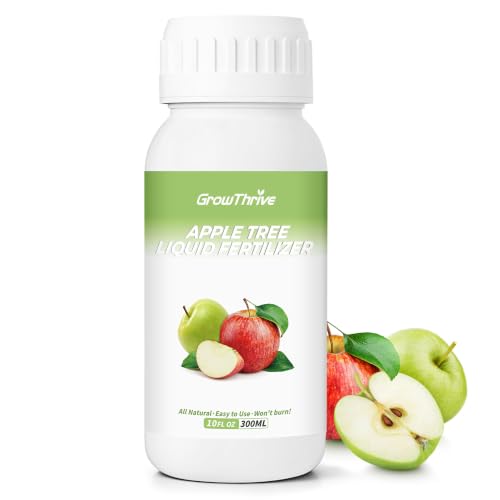
NATURAL & ORGANIC FORMULA: Harness the power of microbial probiotic fermentation. Our solution is completely free from harsh chemical additives, ensuring a safe, eco-friendly environment for your home orchard and the beneficial pollinators that visit it.
How Long Do Gala Apple Trees Take to Bear Fruit?
Gala apple trees typically start bearing fruit between three to five years after planting. Young trees often require this time to establish roots and develop a strong structure. Expect the earliest fruit around the third year, though some trees may take longer. Consistent care during these formative years impacts the timeline positively.
Factors Affecting Fruit Bearing Time
Several factors influence when your Gala apple tree bears fruit:
- Age of the Tree: Younger trees take longer to mature. Trees under three years often won’t produce apples.
- Growing Conditions: Optimal conditions include full sun, well-drained loamy soil, and regular watering. Poor conditions delay fruiting.
- Pollination: Having another apple tree nearby can enhance fruit production. While Gala apple trees are self-pollinating, cross-pollination can lead to better yields.
- Pruning and Care: Regular pruning promotes healthy growth. Neglecting your tree can lead to reduced yields and delayed fruit development.
- Climate and Hardiness Zone: Gala apples thrive in USDA hardiness zones 5 through 8. Extreme temperatures can affect fruiting timelines.
Understanding these factors can help you anticipate the harvest from your Gala apple tree.
Care and Maintenance for Optimal Fruit Production
Caring for your Gala apple trees boosts fruit production and ensures healthy growth. Focus on pruning techniques and soil requirements to enhance yields.
Recommended Products

IDEAL BRANCH TRIMMER: Tree pruner that extends from 7.9 to 12 feet; Lightweight aluminum pole weighing less than five pounds to help minimize fatigue; Ideal for cutting high branches, or making low cuts without bending or kneeling

✂Multifunctional -2 in 1 Garden Grafting Tools-Professional grafting set allows you to pruning and grafting at the same time, saving more time and effort than traditional grafting methods, easy to use and more efficient. It allows you to trim away excess leaves and twigs and prepare the plants to be grafted. At the same time, you can make a precise cut into the grafting stock with the special grafting blade.

[Cut & Hold Pole Pruner for Tree Trimming] This long reach cut and hold pruner makes it easy to grip and remove branches, flowers, or fruit without dropping them. Perfect as a pole fruit picker for harvesting lemons, oranges, apples, or persimmons, and for trimming shrubs and bushes without climbing a ladder.
Pruning Techniques
Pruning promotes air circulation and branch health. Use clean, sharp secateurs to make precise cuts. Here’s how to prune effectively:
- Timing: Prune in late winter or early spring before new growth starts.
- Remove Deadwood: Cut away any dead or damaged branches to improve overall health.
- Thin Out: Trim excess growth to prevent overcrowding. Aim for an open center to allow sunlight to reach all branches.
- Shape the Tree: Focus on creating an upward angle with branches to enhance fruit distribution.
Regular pruning maintains tree structure and encourages more abundant fruiting.
Fertilization and Soil Requirements
Proper fertilization and soil management set the foundation for strong fruit production. Follow these guidelines:
- Soil Type: Use well-drained loamy soil with a pH range of 6.0 to 7.0 to support root health.
- Fertilizer Application: Apply a balanced fertilizer high in nitrogen in early spring. Follow up with a second application in late spring, ensuring the total annual nitrogen amount remains around 1 pound per tree.
- Organic Matter: Incorporate compost or well-rotted manure into the soil annually to enhance nutrient levels.
- Watering Practices: Water deeply and consistently, especially during dry spells. Aim for about 1 inch of water weekly.
These steps foster strong growth and optimal fruit yields from your Gala apple trees.
Common Issues Affecting Fruit Bearing
Gala apple trees face several challenges that can impact their fruit production. Understanding these issues helps you maintain healthy trees and maximize your harvest.
Recommended Products
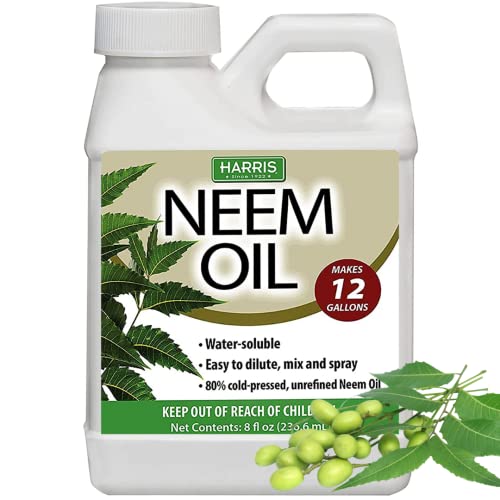
Cold-Pressed Neem Oil is a potent natural solution, ideal for maintaining healthy plants

FUNGAL DISEASE CONTROL: Prevents and controls black spot on roses, powdery mildew, rust, downy mildew, and other listed fungal diseases when applied on a 7–14 day schedule

Protect your oasis with 3 garden products in 1 from Captain Jack’s; Captain Jack’s Ready-to-Use Neem Oil spray for plants is a multi-purpose fungicide, insecticide and miticide for your lawn and garden
Pests and Diseases
Pests and diseases can hinder fruit bearing in Gala apple trees. Common pests include aphids, spider mites, and apple coddling moths. You can control these pests by regularly inspecting your trees and using organic insecticides or neem oil if infestations occur.
Fungal diseases like apple scab and powdery mildew also affect fruit production. To prevent these diseases, ensure good air circulation by pruning your trees correctly. Applying a fungicide during the flowering stage can further protect your trees. Composting fallen leaves and fruit helps reduce disease spread.
Environmental Factors
Environmental factors significantly influence fruit bearing. Gala apple trees thrive in full sunlight and require at least six to eight hours of sunlight daily. If your trees are in shaded areas, consider relocating them to maximize light exposure.
Soil moisture plays a critical role as well. Overwatering can drown roots, while drought can stress trees, impacting fruit growth. Strive to maintain consistent soil moisture without waterlogging. Using mulch around the base of the tree helps retain moisture and keeps roots cool.
Temperature fluctuations can also affect fruit development. Gala apple trees flourish in USDA zones 5 through 8, where temperatures remain stable. Protect your trees from late frosts by covering them with cloth if frost threatens during blooming.
By addressing these common issues, you can promote healthy growth and ensure a bountiful harvest of delicious Gala apples.
Conclusion
Growing Gala apple trees can be a rewarding experience filled with anticipation. As you nurture your tree and provide the right conditions it needs to thrive you’ll eventually be rewarded with a sweet harvest. Remember that patience is key since it typically takes three to five years for your tree to bear fruit.
By keeping an eye on the health of your tree and addressing any issues that arise you can help ensure a bountiful yield. With the right care and attention your Gala apples will soon be ready for picking and enjoying in your favorite recipes. Happy gardening and here’s to a fruitful journey ahead!
Frequently Asked Questions
When do Gala apple trees start producing fruit?
Gala apple trees typically begin to produce fruit between three to five years after planting. Young trees need time to establish strong roots and a sturdy structure, with the earliest fruit expected around the third year.
What conditions do Gala apple trees need to thrive?
Gala apple trees thrive in USDA hardiness zones 5 through 8, requiring full sun and well-drained loamy soil. Regular watering, mulching, and a soil pH of 6.0 to 7.0 also support their healthy growth.
How can I increase fruit production in Gala apple trees?
To enhance fruit production, ensure proper care including regular pruning, fertilizing with balanced nitrogen-rich fertilizers, and monitoring for pests and diseases. Cross-pollination and maintaining consistent watering are also beneficial.
What pests are common for Gala apple trees?
Common pests affecting Gala apple trees include aphids and spider mites. Using organic insecticides or neem oil can help control these pests and protect the health of your trees.
How can I prevent diseases in Gala apple trees?
Prevent diseases like apple scab and powdery mildew by practicing proper pruning techniques, maintaining good air circulation, and applying fungicides as necessary. Regularly monitor your trees for signs of distress.
What should I do if my Gala apple tree is not producing fruit?
If your Gala apple tree isn’t producing fruit, check factors such as soil moisture, sunlight exposure, and tree health. Ensure it’s properly pruned and fertilized, and consider potential pollination issues.
Is cross-pollination necessary for Gala apple trees?
While Gala apple trees are self-pollinating, cross-pollination with other apple varieties can enhance fruit yields and size. Planting different apple trees nearby can be beneficial for better harvests.
