

Guava trees can thrive in New York City’s rooftop gardens with the right care and conditions. Proper selection of varieties and cultivation techniques ensures successful growth and fruit production in urban environments.
Choosing Ideal Guava Varieties for Rooftops
Choosing the appropriate guava variety is essential for successful rooftop cultivation in New York City. Varieties like the Tropical Pink Guava and Pineapple Guava are well-suited for container growth and can tolerate the city’s climate fluctuations. These varieties produce sweet, aromatic fruits and can adapt to varying light conditions.
Recommended Products

Elevate your garden with the exquisite charm of Tropical Strawberry Guava, and cultivate your own paradise with our 30pcs organic pink guava seeds.

PINK GUAVA TREE STARTER – TROPICAL FRUIT VARIETY: Grown for its pink-fleshed guava fruit at maturity and attractive green foliage, offering both decorative and productive value

This young guava tree arrives 5–10 inches tall, ship no pot, making it easy to transplant and grow.
New York City Tropical Pink Guava Care
The Tropical Pink Guava is favored for its vibrant pink flesh and sweet flavor. It grows well in containers and requires full sun exposure for optimal fruiting. This variety can reach a height of 3 to 10 feet, making it manageable for rooftop spaces. Regular pruning encourages bushier growth and increases fruit yield.
Pineapple Guava Benefits for NYC Gardens
The Pineapple Guava offers a unique flavor profile with a hint of pineapple. This variety is more tolerant of cooler temperatures, making it ideal for New York winters. It can grow up to 15 feet but can be kept smaller through pruning. Its attractive flowers also provide ornamental value.
Optimal Soil and Sunlight for Guavas
Growing guava trees in New York City requires careful attention to their specific needs, particularly in terms of soil and sunlight. Understanding the optimal conditions for these tropical plants can significantly enhance their growth and fruit production, making your rooftop garden a thriving oasis. This section explores the best practices for creating the ideal environment for guavas in an urban setting.
Guava trees require specific conditions to flourish in urban settings. Focus on soil quality, sunlight, and water management to ensure healthy growth.
Optimal Potting Mix for Guava Trees
Choosing the right potting mix is crucial for the health and growth of guava trees, especially in the unique environment of New York City’s rooftop gardens. The ideal blend will provide adequate drainage, aeration, and nutrients to support these tropical plants. Understanding the specific needs of guava trees will help ensure a thriving garden oasis in the urban landscape.
Use a well-draining potting mix enriched with organic matter. Guava trees prefer slightly acidic to neutral pH levels (6.0 to 7.0). Regularly check soil moisture to avoid overwatering, which can lead to root rot.
Sunlight Requirements and Watering Practices
Guava trees thrive in full sun, requiring at least 6 to 8 hours of direct sunlight daily. Water the trees deeply but infrequently, allowing the top inch of soil to dry out between waterings. This approach encourages deep root growth.
Fertilization Strategies for Rooftop Guava Trees
Fertilizing guava trees in a rooftop garden requires a tailored approach to ensure healthy growth in an urban environment. The unique challenges of limited space and soil quality in New York City necessitate specific strategies to provide essential nutrients. Understanding these fertilization techniques will help you cultivate thriving guava trees amidst the concrete landscape.
Proper fertilization and pest control are vital for healthy guava trees in rooftop gardens.
Recommended Products

Supports Flowering & Fruit Production – Helps encourage strong flowering, fruit set, and consistent guava development.

Let our professionally formulated plant food help your fruit tree grow healthy, strong AND abundantly producing
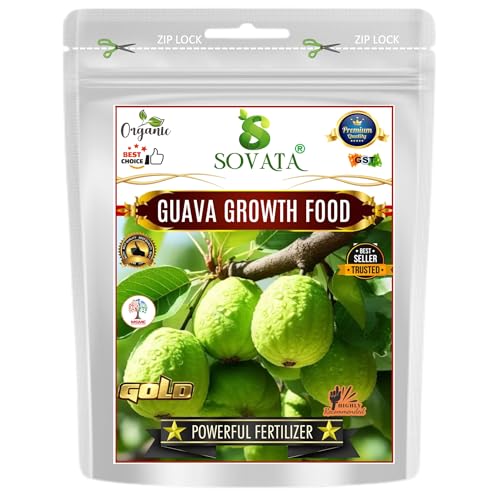
Essential Nutrients: This organic fertilizer contains all the essential nutrients guava plants need for maximum growth and heavy fruiting including nitrogen, phosphorus, potassium, and microorganisms.
Fertilizer Application for Guava Trees
Proper fertilizer application is essential for the health and productivity of guava trees, especially in the unique environment of New York City rooftops. Understanding the specific nutrient needs and timing for fertilization can significantly enhance growth and fruit yield, ensuring that these tropical trees thrive in an urban setting. This section will explore effective fertilization strategies tailored for guava cultivation.
Apply a balanced fertilizer every 4 to 6 weeks during the growing season. Look for formulations high in potassium to promote fruit development. Organic options like compost or fish emulsion can also be beneficial.
Organic Pest Management for Guava Trees
Managing pests organically is crucial for the health of guava trees, especially in an urban environment like New York City. This section explores effective strategies and natural solutions to protect your rooftop garden from common pests, ensuring your guava trees thrive without harmful chemicals. Discover how to maintain a balanced ecosystem that supports both plant health and environmental sustainability.
Monitor for common pests such as aphids and whiteflies. Use insecticidal soap or neem oil as organic solutions. Regularly inspect leaves for signs of infestation and act promptly to prevent damage.
Guava Variety Characteristics for Rooftop Gardens
When selecting guava varieties for rooftop gardens in New York City, understanding their unique characteristics is crucial for successful cultivation. Each type offers distinct flavors, growth habits, and adaptability to urban conditions, making it essential to choose the right variety for your specific environment and gardening goals. This section explores the best guava varieties suited for rooftop settings.
Understanding the differences in guava varieties can help in making the right choice for your rooftop garden. The following table summarizes key characteristics of the Tropical Pink Guava and Pineapple Guava.
| Variety | Flavor Profile | Height (Feet) | Cold Tolerance | Sunlight Requirement |
|---|---|---|---|---|
| Tropical Pink Guava | Sweet, aromatic | 3 to 10 | Moderate | Full sun |
| Pineapple Guava | Pineapple-like | Up to 15 | High | Full sun |
Vertical Gardening for Guava Trees
Vertical gardening offers a unique solution for cultivating guava trees in the limited space of New York City rooftops. By maximizing vertical space, urban gardeners can create an ideal environment for these tropical plants, ensuring they thrive despite the city’s constraints. This approach not only enhances aesthetics but also promotes sustainable gardening practices in urban settings.
Utilizing vertical space in your rooftop garden can enhance your guava tree cultivation. Consider using trellises or stacking containers to maximize growing areas.
Rooftop Container Selection for Guava Trees
When cultivating guava trees in New York City’s rooftop gardens, selecting the right container is crucial for their growth and health. The container must provide adequate space, drainage, and insulation to protect the roots from temperature fluctuations. Understanding the specific needs of guava trees will help ensure a thriving urban garden.
Select containers that are at least 5 gallons in size for adequate root space. Ensure containers have drainage holes to prevent waterlogging. Group containers together to create a microclimate that retains moisture and warmth.
Vertical Gardening for Rooftop Guava Trees
Vertical gardening offers an innovative solution for cultivating guava trees in the limited space of New York City’s rooftops. By maximizing vertical space, urban gardeners can create lush, productive environments that thrive in the city’s unique climate. This approach not only enhances aesthetics but also increases fruit yield, making it an ideal choice for rooftop gardening enthusiasts.
Incorporate vertical gardening methods by using wall planters or hanging pots. This approach not only saves space but also allows for better air circulation around the plants.
Rooftop Guava Tree Care Essentials
Growing guava trees in New York City’s rooftop gardens can be a rewarding endeavor, but it requires understanding their specific care needs. From selecting the right potting mix to managing sunlight exposure, these essentials will help ensure your guava trees thrive in an urban environment. Discover the key practices that will support healthy growth and fruitful yields.
Growing guava trees in New York City can be a rewarding experience with the right approach. Monitor environmental conditions and adjust care as needed. Regular maintenance will lead to healthy trees and fruitful harvests.
Recommended Products
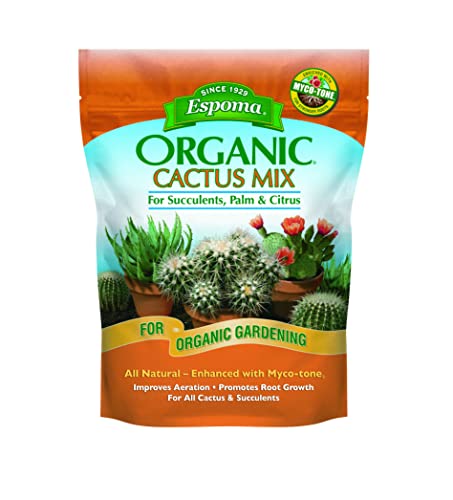
FOR USE ON: Use as a potting soil mix for all succulents, cactus, palm, and citrus including Jade Plants, Burro’s Tails, Aloe Vera & Barrel & Christmas Cactus.

100% Natural: Custom blend for your indoor potted banana trees

Miracle-Gro Cactus, Palm & Citrus Potting Mix features a fast-draining formula and is enriched with Miracle-Gro Plant Food
