

Do you ever wonder why your fruit trees aren’t producing as much as they could? You’re not alone. Many gardeners struggle with maximizing their harvest, and one key factor often overlooked is proper pruning. As the leaves start to fall and the air turns crisp, fall becomes the perfect time to give your trees the care they need.
Key Takeaways
- Pruning Timing: Fall is the optimal season for pruning fruit trees, as trees enter dormancy, allowing for quick healing and less stress.
- Pruning Techniques: Emphasize thinning, heading back, and renewal pruning to improve light penetration, promote bushier growth, and stimulate new growth.
- Essential Tools: Utilize clean and sharp pruning shears, loppers, and saws to ensure effective cuts while preventing disease transmission.
- Avoid Common Mistakes: Refrain from severe pruning, ignoring tree structure, and using dull tools to maintain tree health and productivity.
- Assess Your Trees: Regularly inspect for dead or diseased branches, and evaluate canopy density to ensure optimal growth and fruit production.
Understanding Fruit Tree Pruning
Pruning fruit trees involves trimming branches to enhance growth and productivity. Proper pruning improves air circulation, sunlight exposure, and overall tree health. Knowing the basics helps you make effective decisions for your trees.
Recommended Products
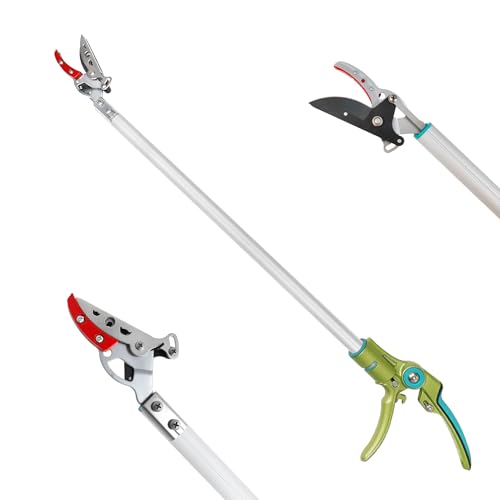
[REACH HIGH & STAY SAFE](No Ladder Required) Say goodbye to wobbly ladders! This 32inch long reach pole pruner offers an extra 30 inches of safe reach, allowing you to prune high branches or tall fruit trees while standing firmly on the ground. It’s the perfect extension tool for maintaining your backyard without the risk of falling.

· ULTRA-SHARP SK5 STAINLESS STEEL - Engineered with premium SK5 stainless steel, these heavy duty pruning shears deliver razor-sharp precision and maximum hardness. The rust-resistant blades are designed to stay sharp longer, effortlessly resisting corrosion and sap buildup for smooth, friction-free garden shears performance year after year.

SUPER LIGHTWEIGHT CUT AND HOLD PRUNERS SET: Our Long Reach Pruner weighs 0.79lbs, appropriate length 32 inch is suitable for relaxed cutting. When you deal with twiggy young tree branches, leaves, fruit spur or fence, one hand is enough. There has a minor hand pruner in this set can solve your lower pruning, a bonus garden glove can protect your hand.
Key Benefits of Pruning
- Increased Yield: Pruning promotes fruit production by removing non-fruit-bearing wood.
- Disease Control: Removing dead or diseased branches reduces pests and diseases.
- Improved Shape: Pruning shapes your tree, making it easier to harvest.
Types of Pruning
- Thinning: This process involves removing select branches to improve light penetration and airflow within the tree.
- Heading Back: Shortening branches encourages bushier growth and fruiting in the following season.
- Renewal Pruning: This method focuses on cutting older, less productive branches to stimulate new growth.
Best Practices for Fall Pruning
- Choose the Right Time: Fall, after the leaves drop, offers an optimal window to prune. The tree enters dormancy and can heal quickly.
- Use Clean Tools: Sterilize pruning shears to prevent disease transmission. Sharp blades ensure clean cuts.
- Make Clean Cuts: Avoid jagged edges that can lead to infections. Cut just above the bud at a slight angle.
Common Mistakes to Avoid
- Severe Pruning: Removing too much at once stresses the tree. Aim for gradual changes over seasons.
- Ignoring Tree Structure: Maintain the natural shape. Avoid cutting too close to the trunk.
- Pruning at the Wrong Time: Pruning during active growth invites stress and can lead to poor results.
- Apple Trees: These benefit from thinning to allow light into the canopy.
- Cherry Trees: Focus on removing suckers and dead wood for better fruit development.
- Peach Trees: Thin out fruit clusters to enhance their size and quality.
Understanding fruit tree pruning sets you up for success in your home garden. Careful attention during the fall can lead to a bountiful harvest in the coming years.
Benefits Of Pruning In The Fall
Pruning in the fall offers several significant benefits for fruit trees. As the seasons change, taking action now sets the stage for improved health and increased yields.
Improved Tree Health
Pruning boosts overall tree health by eliminating dead or diseased branches. These branches can harbor pests and diseases that threaten the entire tree. You promote better airflow and sunlight exposure by opening up the canopy. Improved airflow reduces the risk of fungal infections, while increased sunlight aids photosynthesis, allowing the tree to store energy for the following growing season.
Increased Fruit Production
Increased fruit production is a direct benefit of fall pruning. Removing non-fruit-bearing wood redirects the tree’s energy toward areas that produce fruit. You can improve fruit size and quality by thinning out crowded branches. Focus on cutting back excessive growth, allowing for better fruit-set and easier harvesting. For instance, pruning a peach tree adequately can lead to larger, juicier peaches in the next season.
Essential Tools For Pruning
Using the right tools makes pruning fruit trees easy and effective. Here’s a look at the essential tools you’ll need for successful pruning.
Recommended Products

【Multi-purpose Tree Pruner】The telescopic pole pruner has a shearing function and can be used for picking fruit and trimming high branches. The sharp blade of the fruit picking rod can easily cut branches up to 1/2 inch in diameter, and the included serrated saw blade uses double-sided cutting technology, making it easy to cut through thicker tree trunks. Its versatile design makes it an indispensable tool for gardening.

10FT POLE TREE PRUNER WITH SAW FUNCTION: Designed primarily for high branch trimming with pull-rope pruning shears, while the integrated saw provides an additional cutting option when needed. This manual tree pruner combines pruning and sawing functions in one long-reach tool for routine tree care in yards, gardens, and orchards.
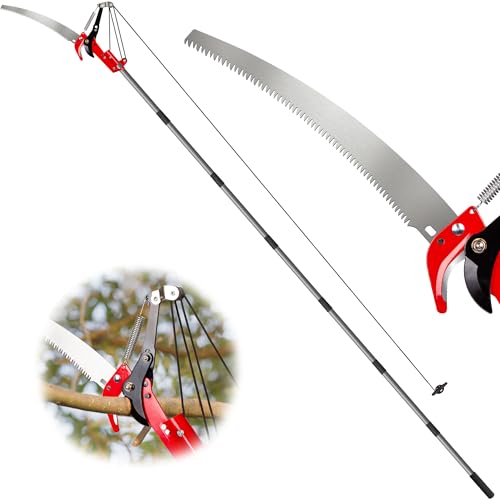
14FT POLE TREE PRUNER WITH SAW FUNCTION: Designed primarily for high branch trimming with pull-rope pruning shears, while the integrated saw provides an additional cutting option when needed. This manual tree pruner combines pruning and sawing functions in one long-reach tool for routine tree care in yards, gardens, and orchards.
Pruning Shears
Pruning shears are essential for handling small branches and delicate cuts. Choose bypass shears for clean cuts, as they work like scissors and prevent damage to the tree. When selecting, ensure the shears fit comfortably in your hand. Regularly sharpen the blades to maintain efficiency and clean cuts. Before you begin, disinfect the shears with rubbing alcohol to prevent the spread of disease between trees.
Loppers and Saws
Loppers and saws handle larger branches that pruning shears can’t cut through. Loppers are ideal for branches up to 2 inches thick. They offer extra leverage and reach, making it easier to trim higher areas. For thicker limbs, use a pruning saw. A pruning saw has a curved blade, allowing for quicker cuts.
With both loppers and saws, ensure that they are also kept clean and sharp. This precaution prevents injury and promotes healthy cuts. Before starting the pruning process, inspect your tools for any wear or damage to ensure effectiveness.
Step-By-Step Guide To Pruning Fruit Trees In The Fall
Pruning fruit trees in the fall involves specific techniques to ensure optimal growth and fruit production. Follow these steps closely for the best results.
Recommended Products
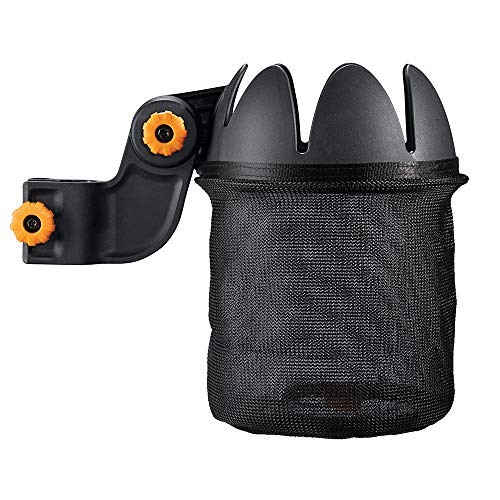
Fiskars Fruit Picker Basket harvests fruit from tall trees without bruising or scratching

1:EXTENDABLE REACH FOR LADDER-FREE SAFETY – Acting as both a reliable tree pruner and a fruit picker pole, this tool effortlessly extends from 3.28 to 5.25 FT to reach high branches up to 10 FT from the ground. The innovative rotating and locking head allows for precise angles without unstable ladders or risky stretching, ensuring maximum safety.

Versatile Cutting Applications: Suitable for precision pruning of branches, tall hedges, and dense bushes, as well as delicate tasks like pruning flowers and harvesting fruit
Assessing Your Tree
- Inspect the Structure: Examine the tree for overall shape and structure. Look for branches that cross, rub together, or grow inward.
- Identify Problem Areas: Spot dead, diseased, or broken branches. Removing these helps prevent further issues and promotes healthy growth.
- Evaluate the Canopy: Check for density. A crowded canopy restricts airflow and sunlight, so thinning may be necessary.
- Use Clean Tools: Start with sanitized pruning shears or loppers. Clean tools prevent disease transmission and ensure smooth cuts.
- Cut at the Right Angle: Make cuts at a 45-degree angle, slightly above a bud. This promotes faster healing and directs moisture away from the cut.
- Remove Non-Fruit-Bearing Wood: Trim branches that don’t produce fruit. Eliminating these redirects energy to fruit-bearing sections.
- Thinning Cuts: Remove excess branches in crowded areas. Aim to keep the tree’s natural shape while allowing enough space for light and air.
- Limit Length Cuts: Avoid cutting back more than one-third of a tree’s height. Severe cuts can stress the tree and result in poor growth.
These steps to assess and cut your fruit trees lead to healthier, more productive trees.
Common Mistakes To Avoid
Avoiding common mistakes during fruit tree pruning ensures the health and productivity of your trees. Here are key mistakes to keep in mind:
- Severe Pruning: Don’t remove more than one-third of the tree’s height in a single season. Excessive cutting stresses the tree, delaying recovery and fruit production.
- Ignoring Tree Structure: Don’t prune without considering the tree’s natural shape. Altering the structure can lead to poor growth and light penetration.
- Pruning at the Wrong Time: Timing matters greatly. Avoid pruning during freezing temperatures or high humidity. Fall is ideal for most fruit trees, but consider specific seasonal needs.
- Using Dull Tools: Don’t underestimate the importance of sharp tools. Dull tools cause jagged cuts that invite disease, extending recovery time. Always maintain and sharpen your shears.
- Neglecting Cleanliness: Don’t forget to disinfect your tools between trees. This prevents cross-contamination of diseases.
- Overlooking Dead or Diseased Wood: Don’t skip this essential step. Removing damaged branches improves air circulation, reducing the risk of pests and diseases.
- Failing to Assess the Canopy: Don’t ignore canopy density. Evaluate the tree’s growth before pruning to identify areas needing thinning. This enhances light exposure and promotes healthy growth.
- Not Following Up: Don’t neglect post-pruning care. Monitor your tree for new growth and signs of stress, and adjust watering or fertilization as needed.
By being aware of these mistakes, you prepare your fruit trees for a healthier growing season and a more rewarding harvest.
Conclusion
Pruning your fruit trees in the fall is a rewarding task that sets you up for a thriving harvest. By taking the time to assess your trees and make thoughtful cuts you’re not just enhancing their health but also maximizing your fruit production.
Remember to keep your tools clean and sharp for the best results. Avoid common pitfalls like severe pruning or ignoring the tree’s natural shape. With a little care and attention you’ll create an environment where your trees can flourish.
As you enjoy the fruits of your labor next season take pride in knowing that your fall pruning efforts made all the difference. Happy gardening!
Frequently Asked Questions
Why is my fruit tree producing so few fruits?
Low fruit production in trees can be due to several factors, including poor pruning, lack of sunlight, insufficient nutrients, or disease presence. Pruning is especially crucial as it helps improve air circulation, sunlight exposure, and tree health, all of which contribute to higher yields.
When is the best time to prune fruit trees?
Fall is the ideal season for pruning fruit trees. As the leaves begin to fall and the weather changes, it’s a perfect time to assess the tree’s structure and make necessary cuts to boost future fruit production and overall health.
What are the benefits of pruning fruit trees?
Pruning enhances fruit production by removing non-fruit-bearing wood, improves tree health by eliminating dead branches, and shapes the tree for easier harvesting. It also aids in disease control and helps to maximize sunlight and air exposure to the healthy parts of the tree.
What tools are essential for pruning fruit trees?
Essential tools for pruning fruit trees include pruning shears for smaller branches, loppers for thicker limbs, and saws for larger cuts. It’s important to keep these tools clean and sharp to ensure effective and healthy pruning.
How should I prune my fruit trees in the fall?
Start by assessing the tree’s structure and identifying crowded or non-fruit-bearing areas. Use clean tools to make cuts at a 45-degree angle, remove excessive wood, and maintain the tree’s natural shape without cutting back more than one-third of its height to avoid stress.
What mistakes should I avoid when pruning fruit trees?
Common mistakes to avoid include severe pruning, which can stress the tree, ignoring the tree’s natural structure, and using dull or dirty tools. Timing is also critical; pruning at the wrong time can harm the tree’s health and future production.
