

Are you dreaming of a lush backyard filled with fresh fruit? South Florida’s warm climate offers the perfect opportunity to grow a variety of delicious fruit trees. But with so many options, it can be tough to know which ones will thrive in your garden.
Key Takeaways
- Ideal Climate: South Florida’s tropical climate, with warm temperatures and high humidity, is suitable for a variety of fruit trees, thriving year-round without frost threats.
- Top Fruit Choices: Popular fruit trees include mango, avocado, and lychee, each requiring full sun and well-drained soil for optimal growth and fruit production.
- Lesser-Known Varieties: Consider planting sapodilla and longan trees to add unique flavors and diversify your fruit harvest.
- Soil Management: Ensure well-draining soil, ideally sandy loam, and amend it with organic matter for improved nutrient availability and moisture retention.
- Watering Practices: Regular, deep watering (1-2 inches weekly) is crucial, particularly during dry spells, while adjusting based on the specific needs of each tree species.
- Fertilization Schedule: Use balanced fertilizers every 6 to 8 weeks during the growing season, tailored to the requirements of the specific fruit trees to boost growth and yield.
Overview of South Florida’s Climate
South Florida features a tropical climate, characterized by warm temperatures and high humidity. Average temperatures hover around 70°F to 90°F year-round, creating ideal growing conditions for many fruit trees.
Rainfall occurs mostly during the summer months, with an annual total of approximately 60 inches. This wet season provides crucial water for fruit trees but may also lead to flooding in certain areas. You can mitigate excess moisture by selecting well-drained soil and planting trees in elevated areas.
Winter months bring mild temperatures, rarely dropping below 50°F. This climate condition supports the growth of subtropical and tropical fruits without the risk of frost damage. You’re less likely to experience severe winter weather in this region, making it suitable for growing a variety of fruit trees.
Humidity levels can reach 70% and higher, which benefits trees that thrive in moist conditions. However, it’s important to manage pests and diseases that thrive in such environments. Regular monitoring and treating trees will help maintain their health.
Choosing the right fruit species that adapt well to these conditions is vital. Consider selecting varieties that prosper in warm climates, such as mangoes or lychees, and take advantage of the long growing season. Prioritize trees that require minimal maintenance yet can yield abundant fruit.
Popular Fruit Trees in South Florida
South Florida’s climate allows for a diverse range of fruit trees. Here are some popular options to consider for your yard.
Recommended Products

No CA, Grafted Triple Mango Tree: Unique and flavorful, this mango offers a sweet-tart balance, making it great for desserts and smoothies. Grows well in Zones 10-11.
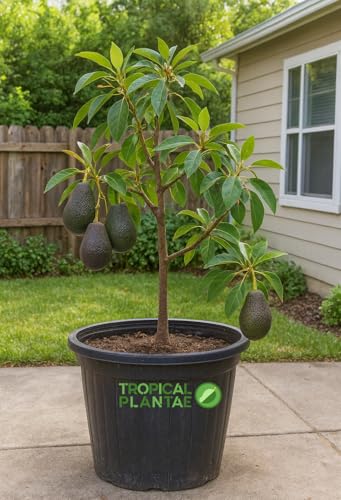
The Hass Avocado, celebrated for its rich, creamy fruits, offers not only culinary versatility but also the joy of nurturing a thriving fruit tree.

Mango Keitt tree, scientifically known as Mangifera indica ‘Keitt’, produces large, flavorful mangoes with a sweet, tropical flavor and smooth texture. It reaches a height of 30 to 45 feet with dark green foliage and an upright, symmetrical shape.
Mango Trees
Mango trees thrive in South Florida’s heat. Choose varieties like ‘Haden,’ ‘Tommy Atkins,’ or ‘Kent’ for their exceptional taste and disease resistance. Mango trees require full sun and well-drained soil. They need regular watering but avoid waterlogged conditions. Fertilize with a balanced fertilizer during the growing season for optimal fruit production. Expect to start seeing fruit in about three to five years after planting.
Avocado Trees
Avocado trees flourish in South Florida’s warm climate. Opt for varieties such as ‘Florida Hass’ or ‘Bacon’ for their flavor and hardiness. These trees enjoy well-drained soil and plenty of sunlight. Water them deeply once a week, especially during dry periods. Avocados typically produce fruit annually, around 10 to 15 months after flowering. Watch for pests like mites or aphids, and manage them with gentle insecticidal soap.
Lychee Trees
Lychee trees excel in humid, subtropical climates like South Florida. Choose varieties like ‘Brewster’ or ‘Hak Ip’ for high-quality fruit. Plant them in a sunny spot with good drainage. Water them regularly, but let the soil dry between sessions to prevent root rot. Expect fruit production within three to five years. Keep an eye out for powdery mildew and treat it promptly with fungicide if necessary.
Lesser-Known Fruit Trees
Exploring lesser-known fruit trees can enrich your South Florida backyard with unique flavors and diversity. Consider the following options to enhance your garden.
Recommended Products

Premium quality tropical fruit tree seeds package containing 3 Sapodilla Tree (Manilkara zapota) seeds, producing glossy‑leafed trees with brown, caramel‑sweet fruit; also called chico zapote and nispero.

Planting Hole: Dig a hole that is approximately twice the size of the root ball of the grafted sapodilla tree.

VARIETY: Manilkara zapota, commonly known as Sapodilla or Jamaican Naseberry, is a tropical fruit tree.
Sapodilla Trees
Sapodilla trees thrive in South Florida’s climate, producing sweet, brown fruit with a grainy texture. These trees prefer full sun and well-drained soil.
- Planting: Plant sapodillas in spring or early summer. Ensure to provide enough space, as they grow to 30 feet tall.
- Watering: Water regularly, especially during dry spells. Allow the soil to dry out between watering sessions.
- Fertilizing: Use a balanced fertilizer every few months to promote healthy growth.
- Harvesting: Expect fruit within 3 to 5 years after planting. Ripe sapodillas turn brown and feel soft to the touch.
Longan Trees
Longan trees are another excellent choice, yielding small, sweet fruits with a delicate flavor.
- Sun Requirements: Ensure plenty of sunlight, as longan trees flourish in direct sun.
- Soil Needs: Choose well-drained, sandy soil for optimal growth.
- Watering Technique: Water young trees deeply every week during dry seasons, but reduce frequency for established trees.
- Fertilization Schedule: Apply fertilizer in spring and summer to support fruit production.
- Ripening Time: Longan trees typically produce fruit in 4 to 6 years. They bear yellow or brownish fruit, which is ready when the skin turns translucent.
Integrating these trees into your garden not only diversifies your harvest but also introduces exciting flavors to your seasonal produce.
Tips for Growing Fruit Trees in South Florida
Growing fruit trees in South Florida offers rewards, including fresh produce and beauty in your landscape. Focus on the right techniques to ensure your trees thrive.
Recommended Products
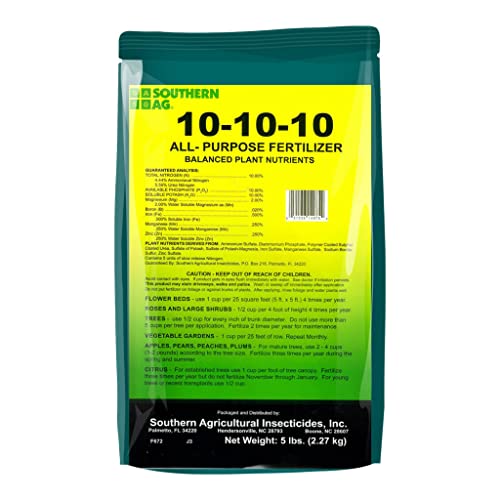
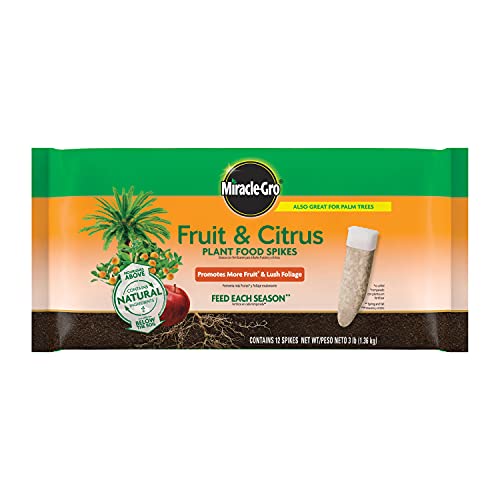
FORMULATED FOR CITRUS AND FRUIT TREES: Use these citrus fertilizer spikes on apple, orange, lemon, lime, and avocado trees; this formula is also great for feeding palm trees

Source of nutrients for Pecan trees
Soil Requirements
Choose well-draining soil for your fruit trees. Modified sandy loam works best, allowing excess water to escape. Conduct a soil test to determine pH levels; ideally, the range should be between 6.0 and 7.0. Amending soil with organic matter, like compost, improves nutrient availability and enhances soil structure. You can also add mulch around the base of trees to retain moisture and regulate soil temperature.
Watering and Fertilization
Water fruit trees deeply and consistently, especially during hot, dry spells. Aim for a minimum of 1 to 2 inches of water weekly, adjusting based on rainfall. Check moisture levels by sticking your finger into the soil; if it’s dry 2-3 inches down, it’s time to water. Fertilize your trees with a balanced fertilizer every 6 to 8 weeks during the growing season. Look for a fertilizer designed for fruit trees to provide essential nutrients, including nitrogen, phosphorus, and potassium.
Adjust your approach based on the type of fruit tree. For example, mango trees prefer less frequent watering once established, while avocado and lychee trees thrive with consistent moisture. Always follow product instructions for fertilization to avoid nutrient burn.
Conclusion
Growing fruit trees in South Florida can be a rewarding experience. With the right choices and care, you can enjoy a bountiful harvest right from your backyard. Whether you opt for popular varieties like mangoes and avocados or venture into lesser-known options like sapodilla and longan, each tree brings its unique charm and flavor.
Remember to pay attention to your soil and watering needs to keep your trees healthy. By nurturing your plants and embracing the vibrant growing conditions, you’ll not only enhance your garden but also savor the delicious fruits of your labor. Happy gardening!
Frequently Asked Questions
What fruit trees grow well in South Florida?
Many fruit trees thrive in South Florida’s warm climate, including mangoes, avocados, and lychees. Other good options are sapodilla and longan trees. These varieties are well-adapted to the region’s unique conditions, making them suitable for backyard cultivation.
How does South Florida’s climate affect fruit tree growth?
South Florida’s tropical climate features warm temperatures, high humidity, and seasonal rainfall, which promote strong growth for many fruit trees. The mild winters support subtropical fruit species, while careful management of watering and drainage can help mitigate flooding risks.
What are the watering needs for fruit trees in South Florida?
Fruit trees generally require 1 to 2 inches of water weekly. Adjustments should be made based on rainfall, with established trees needing less frequent watering. Consistent moisture is critical for types like avocado and lychee, while mango trees require moderate irrigation.
How can I maintain soil quality for fruit trees?
Choosing well-draining soil, like modified sandy loam, is essential. Conducting soil tests to monitor pH levels can ensure optimal growth conditions. Regular fertilization every 6 to 8 weeks during the growing season also helps sustain soil health.
What are the best fertilization practices for fruit trees?
Using balanced fertilizers every 6 to 8 weeks during the growing season supports healthy growth. Specific needs may vary by tree type, so tailor your fertilization approach accordingly for effective results and abundant fruit production.
Are there any lesser-known fruit trees suitable for South Florida?
Yes! Lesser-known fruit trees like sapodilla and longan can enhance diversity in your garden. These trees thrive in the region’s conditions and add unique flavors to your harvest while offering a fruitful backyard experience.
How can I manage pests and diseases for fruit trees in South Florida?
Regular monitoring, maintaining soil health, and implementing integrated pest management strategies are key to managing pests and diseases. Choose low-maintenance varieties that are naturally resistant and ensure proper hygiene practices in your garden to prevent infestations.
What fruit tree varieties are recommended for beginners in South Florida?
For beginners, mango, avocado, and lychee trees are excellent choices. These varieties are relatively low-maintenance, adapt well to the climate, and can yield abundant fruit with proper care, making them ideal for new gardeners.
