

Have you ever wondered if fig trees can provide fresh fruit throughout the year? If you’ve planted one in your garden or are thinking about it, you might be curious about their fruiting habits. Fig trees are known for their delicious, sweet figs, but their growing cycles can be a bit tricky to understand.
In this article, you’ll learn about the seasonal patterns of fig trees and when you can expect to enjoy their fruit. By the end, you’ll have a clearer picture of what to expect from your fig tree, helping you make the most of your gardening efforts. Whether you’re a seasoned gardener or just starting out, understanding fig trees can enhance your gardening experience.
Key Takeaways
- Fruit Production Seasons: Fig trees generally produce fruit in two main seasons—the breba crop in early summer and the main crop in late summer or early fall, but do not bear fruit all year round.
- Varietal Differences: Different fig varieties have unique fruiting habits; tropical types may yield fruit continuously, while temperate varieties typically have defined growing cycles with two harvests each year.
- Optimal Growing Conditions: Fig trees thrive in full sun with well-draining soil, requiring consistent moisture and warm temperatures to promote healthy growth and maximize fruit yield.
- Maintenance Practices: Regular pruning, fertilization, and pest management are essential for maintaining fig tree health and enhancing fruit production.
- Nutritional Benefits: Figs are nutrient-dense, offering dietary fiber, vitamins, and minerals, making them a healthy addition to your diet.
- Attracting Wildlife: Fig trees support local ecosystems by attracting birds, bees, and butterflies, which enhances biodiversity in your garden.
Overview of Fig Trees
Fig trees, scientifically known as Ficus carica, offer unique characteristics that make them popular among gardeners. These deciduous trees thrive in warm, temperate regions and can reach heights of 10 to 30 feet.
Recommended Products

🕗 SLOW-RELEASE PELLETS — Releases essential nutrients over 6 month period. Apply and forget

Supports Strong Growth & Fruit Development - Helps promote vigorous branches, healthy foliage, and improved fig production.

FEED YOUR FICUS: Contains micronutrients for Fiddle Leaf Fig Trees. These indoor plants need nutrients, in addition to light and water to promote healthy growth and prevent brown spots on leaves
Growth Cycle
Fig trees exhibit a distinct growth cycle. In spring, they push out new leaves and develop small fruit buds. You can expect a burst of growth during this time. By summer, the trees produce immature figs that ripen as temperatures rise.
Fruiting Stages
Fig trees usually bear two crops of fruit each year:
- Breba Crop: This crop forms on last year’s wood and typically ripens in early summer. Although the quantity may be lower, these figs can offer rich flavor.
- main Crop: The more significant harvest appears later in summer or early fall. This crop grows on current year’s wood and usually yields larger figs with better sweetness.
Growing Conditions
To maximize fruit production, ensure your fig tree receives full sun for at least 6 to 8 hours daily. Fig trees prefer well-draining soil that remains consistently moist but not waterlogged.
Maintenance Tips
You can enhance your fig tree’s fruiting with these care tips:
- Pruning: Lightly prune your tree during dormancy to promote healthy growth.
- Fertilization: Apply a balanced fertilizer in spring for optimal growth.
- Watering: Regularly water the tree, especially during hot summer months.
Pest and Disease Management
Common pests include fig beetles and spider mites. Monitor your trees for signs of these pests. Address infestations promptly with organic insecticides or natural predators.
Understanding the growth patterns and care requirements of your fig tree helps you anticipate its fruiting schedule and enhances your gardening experience.
Fig Tree Varieties
Fig trees come in various types, and each variety has unique characteristics and fruiting habits. Understanding these varieties helps you select the right fig tree for your garden.
Recommended Products
For sale is one Brown Turkey Fig Shrub that is approximately 4-10" tall and shipped in a quart pot

LIVE FIG TREE DELIGHT: Elevate your living space with the American Plant Exchange Live Brown Turkey Fig Tree, a vibrant and thriving addition to your or outdoor oasis. Bring the beauty of nature into your home with this live plant, carefully nurtured in a 1 gallon pot, standing at 1-1.5 feet tall.

What You Will Receive: One (1) healthy, well-rooted Brown Turkey Fig plant. Nursery-grown and carefully packaged to arrive in excellent condition.
Common Fig Varieties
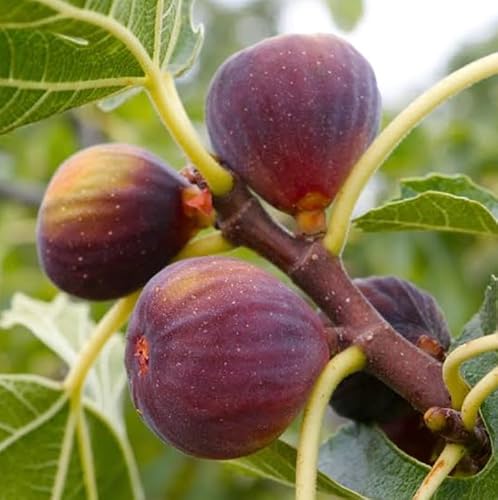
- Brown Turkey: This variety produces sweet, brownish-purple figs. Expect two crops each year: a smaller breba crop in early summer and a larger main crop in late summer. Brown Turkey figs thrive in USDA zones 6 to 9.
- Celeste: Known for its sweet, blueish-purple fruit, Celeste figs ripen early in the summer. This variety is cold-hardy and grows well in zones 6 through 9, making it ideal for cooler climates.
- Kadota: Kadota figs are yellow-green with a mild flavor. They yield abundant fruit in late summer and fall, suitable for drying. Kadota figs grow best in warm climates, typically in zones 7 to 9.
- Smyrna: These figs are known for their exceptional taste but require pollination from a specific wasp species. They produce large, sweet fruit in late summer and are typically grown in Mediterranean climates found in zones 8 to 10.
Tropical vs. Temperate Fig Trees
Tropical fig trees thrive in warm, humid environments. Common examples include the Adriatic and Black Mission figs, which produce fruit throughout the year. These figs benefit from consistent temperatures and ample moisture.
Temperate fig trees, on the other hand, experience a dormant period in winter. Varieties like Brown Turkey and Celeste fit this category, ensuring a predictable growing cycle with two main harvests each year. They prefer well-draining soil and full sun exposure, making them ideal for various climates.
Each fig tree type requires specific care and conditions, so select the best variety based on your local environment and desired fruiting schedule.
Factors Affecting Fruit Production
Fruit production in fig trees depends on several key factors. Understanding these influences helps you maximize your harvest.
Climate Requirements
Climate plays a critical role in fig tree fruiting. Fig trees thrive in warm, well-drained areas. Ideally, you want temperatures between 70°F and 100°F during the growing season. Too much frost can damage the young fruit and hinder production. In temperate zones, fig trees may enter a dormant state during winter. Tropical fig trees, however, produce fruit throughout the year due to consistent warmth. It’s essential to choose a variety suited to your local climate.
Soil Conditions
Soil conditions significantly affect fig tree health and fruit yield. Well-draining soil is crucial, as fig trees are sensitive to root rot. Loamy or sandy soils with a pH between 6.0 and 7.0 provide the best environment. Check your soil’s drainage by digging a hole and filling it with water. If the water drains within a few hours, your soil’s drainage is adequate. Amending your soil with organic matter enhances its fertility, promoting healthy growth and fruiting. Regular soil testing can help you maintain optimal conditions for your fig trees.
Do Fig Trees Bear Fruit All Year?
Fig trees don’t bear fruit all year long. They have specific fruiting seasons, influenced by their variety and climate. Understanding these patterns can help you anticipate when to enjoy fresh figs.
Seasonal Fruit Production
Fig trees typically produce fruit in two main seasons. The first is the breba crop, which appears on the previous season’s growth. This crop starts to ripen in early summer and consists of smaller figs. The second season yields the main crop, which develops on new growth and ripens later in the summer or early fall. Depending on the variety, multiple harvests may occur. For instance, varieties like Brown Turkey often produce both a breba and a main crop in one growing season, while others might focus solely on the main crop.
Techniques to Extend Harvest
To maximize your fig harvest throughout the year, consider these techniques:
- Select the Right Variety: Choose a variety suited to your climate. Tropical types like Kadota can produce fruit continuously, while temperate varieties focus on seasonal production.
- Utilize Pruning: Prune your fig tree to promote healthy growth. Keeping branches manageable encourages better fruit production.
- Implement Fertilization: Fertilize your fig trees early in the spring with a balanced fertilizer. This ensures strong growth and enhances fruit size and sweetness.
- Provide Proper Care: Regularly water your fig trees during dry spells. Maintaining consistent moisture helps prevent stress and encourages fruitful growth.
- Manage Pests Effectively: Keep an eye on pests like the fig beetle. Early detection and treatment prevent damage to the fruit and ensure a healthy harvest.
By applying these techniques, you can enjoy figs during their peak seasons and potentially extend your harvesting window.
Benefits of Fig Trees
Fig trees offer numerous benefits that make them valuable additions to your garden. Understanding these advantages can help you appreciate the role fig trees play in your landscape and diet.
Nutritional Value
Figs are high in essential nutrients. They provide dietary fiber, which aids digestion and promotes gut health. They also contain significant amounts of vitamins such as A, B6, and K, along with minerals like magnesium, potassium, and calcium. Including figs in your diet can contribute to overall health and well-being.
Attracting Wildlife
Fig trees attract various wildlife, contributing to your garden’s ecosystem. Birds, bees, and butterflies are drawn to fig trees for food and shelter. This interaction promotes biodiversity and supports pollination, benefiting your other plants.
Versatile Culinary Uses
Figs are versatile in the kitchen. You can use fresh figs in salads, desserts, and as toppings for cheeses and meats. Dried figs serve as healthy snacks or can be incorporated into baked goods and cereals. Their unique flavor brings variety to your meals.
Aesthetics and Shade
Fig trees enhance your garden’s aesthetic appeal. Their large, lobed leaves provide shade and create a lush environment. As an ornamental tree, its structure and foliage can serve as a beautiful backdrop or focal point in landscape design.
Ease of Care
Fig trees are relatively easy to care for. They adapt well to different soil types and require minimal watering once established. They thrive in full sun, making them suitable for various gardens.
Yearly Yield
While fig trees don’t bear fruit all year, they can provide two harvests per season based on variety. The breba crop yields in early summer, while the main crop follows later in the season. Selecting the right variety enhances your overall fruit yield.
Self-Pollination
Most fig tree varieties are self-pollinating. This trait means they don’t require other trees for pollination, simplifying the care process. You can enjoy fruit even with just a single fig tree in your yard.
Pest Resistance
Fig trees boast a natural resistance to many pests and diseases. This resilience reduces the need for chemical treatments, making them an environmentally friendly choice for your garden. Regular care and monitoring will keep your tree healthy and fruitful.
Incorporating fig trees into your garden offers both practical and aesthetic benefits. By understanding their advantages, you can make informed decisions while enjoying the beauty and bounty of these remarkable trees.
Conclusion
Fig trees bring a unique charm to your garden with their delicious fruit and beautiful foliage. While they don’t bear fruit all year round, understanding their growth cycles can help you enjoy fresh figs during their peak seasons.
By choosing the right variety and providing optimal care, you can maximize your harvest and even extend the fruiting window. Whether you’re a seasoned gardener or just starting out, fig trees offer a rewarding experience that can enhance your culinary adventures and garden aesthetics. So get ready to enjoy the sweet rewards of your efforts when the time comes!
Frequently Asked Questions
When do fig trees produce fruit?
Fig trees typically have two main fruiting stages: the breba crop, which ripens in early summer, and the main crop that matures later in summer or early fall. The exact timing can vary by variety and climate.
Can fig trees bear fruit all year round?
No, fig trees do not bear fruit year-round. Tropical fig trees can produce figs continuously in warm climates, while temperate varieties have a defined dormant period during winter, resulting in two main harvests.
What conditions do fig trees need to thrive?
Fig trees prefer full sun, well-draining soil, and temperatures between 70°F and 100°F. Ideal soil is loamy or sandy with a pH of 6.0 to 7.0. Regular watering and proper care are essential for optimal growth.
How can I maximize fig production?
To maximize fig production, ensure your tree receives enough sunlight, proper watering, and regular pruning. Fertilization, pest management, and selecting suitable fig varieties also contribute to higher yields.
What are common types of fig trees?
Common fig tree varieties include Brown Turkey, Celeste, Kadota, and Smyrna. Each variety has unique fruiting habits and characteristics, making them suitable for different climates and gardening preferences.
How do pests affect fig trees?
Pests can significantly impact fig trees by damaging fruit and foliage. Prompt identification and management of pests, such as aphids or scale, are crucial for maintaining tree health and fruit production.
What nutritional benefits do figs provide?
Figs are high in dietary fiber, essential vitamins, and minerals. They are known to support digestive health and provide various nutrients, making them a valuable addition to a balanced diet.
Can I grow fig trees in containers?
Yes, fig trees can be grown in containers, making them suitable for small spaces or patios. Ensure the container has good drainage and provide proper care, including regular watering and fertilization.
