

Growing pear trees in pots in Iowa is feasible with the right techniques. Select cold-hardy varieties and provide proper care to ensure successful fruit production in a northern climate.
Choose Cold-Hardy Pear Varieties
Selecting the right pear varieties is crucial for successful cultivation in Iowa’s northern climate. Cold-hardy options can thrive despite harsh winters, ensuring a fruitful harvest. Understanding which varieties are best suited for container growth will help you maximize your gardening efforts.
Selecting the right pear tree variety is crucial for success in Iowa’s cold climate. Some varieties can withstand harsh winters while still producing quality fruit. Look for these cold-hardy options:
Harbin: Tolerates temperatures as low as -40°F. Produces sweet, juicy pears.
Parker: Known for its resistance to fire blight. Offers a crisp texture and excellent flavor.
Kieffer: Adapts well to container growth. Provides a hardy fruit with a unique taste.
| Variety | Cold Hardiness | Flavor Profile | Disease Resistance |
|---|---|---|---|
| Harbin | -40°F | Sweet | Moderate |
| Parker | -30°F | Crisp | High |
| Kieffer | -30°F | Unique | Moderate |
Container Selection and Soil Mix for Pear Trees
Choosing the right container and soil mix is crucial for successfully growing pear trees in pots, especially in Iowa’s northern climate. The right combination ensures proper drainage, aeration, and nutrient availability, which are essential for healthy growth and fruit production. This section will explore the best options for containers and soil to help your pear trees thrive.
The right container and soil mix can significantly impact the growth of pear trees. Use a pot that is at least 18 inches in diameter and has adequate drainage holes. A well-draining soil mix is essential for root health.
Use a mix of potting soil, perlite, and compost for optimal drainage.
Ensure the pot is made from a material that can withstand freezing temperatures, like ceramic or heavy-duty plastic.
Consider adding a layer of gravel at the bottom for improved drainage.
Essential Care for Potted Pear Trees
Potted pear trees can thrive in Iowa’s northern climate with the right care. Understanding their specific needs is crucial for ensuring healthy growth and fruitful yields. This section delves into the essential care practices that will help you successfully cultivate these trees in containers, even in challenging weather conditions.
Regular care is vital for the health of your pear trees. This includes watering, fertilizing, and pruning. Establish a routine to ensure your trees thrive.
Water deeply once a week, especially during dry spells.
Fertilize with a balanced fertilizer in early spring and again in mid-summer.
Prune annually to promote airflow and remove any dead or diseased branches.
Recommended Products

1/2" Water-Saving & Durable Construction with Upgraded Formula: Our enhanced soaker hose blend delivers ultra-consistent water seepage while maximizing water savings, plus improved tensile strength, durability, and flexibility. It’s easy to handle, resistant to kinks, and built to stand up to long-term use in lawns, yards, landscaping, and tree watering applications.
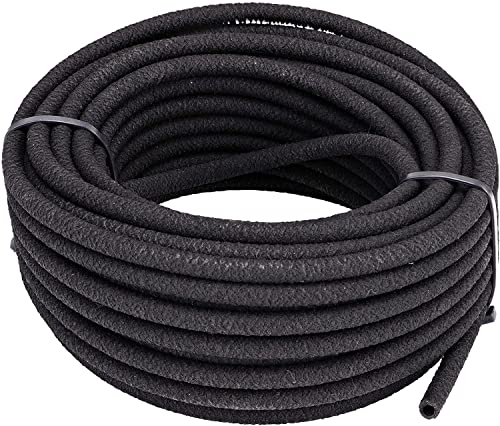
Slowly waters the soil around your plants for complete root zone hydration; Ideal for short runs on flat surfaces, such as vegetable gardens, borders, and around small plants
Effective Watering Methods for Potted Pear Trees
Proper watering is crucial for the health of potted pear trees, especially in Iowa’s northern climate. Understanding effective watering methods can help ensure these trees thrive despite temperature fluctuations and varying humidity levels. This section explores practical strategies to maintain optimal moisture levels for your potted pear trees.
Proper watering techniques can prevent root rot and promote healthy growth. Use the following methods:
Check soil moisture by inserting your finger about an inch deep. If it feels dry, it’s time to water.
Water early in the morning to reduce evaporation and fungal diseases.
Use a soaker hose or drip irrigation for consistent moisture.
Fertilizing Guidelines for Potted Pear Trees
Fertilizing potted pear trees in Iowa is crucial for their growth and fruit production, especially in a northern climate. Understanding the right nutrients and timing can significantly enhance their health and yield. This section outlines essential guidelines to ensure your potted pear trees thrive despite the challenges of colder temperatures.
A structured fertilizing schedule can enhance fruit production. Follow these guidelines:
Apply a balanced fertilizer in early spring when new growth appears.
Use a slow-release fertilizer to provide nutrients throughout the growing season.
Avoid over-fertilizing, as this can lead to excessive leaf growth at the expense of fruit.
Pest and Disease Prevention for Pear Trees
Maintaining the health of potted pear trees in Iowa’s northern climate requires vigilance against pests and diseases. Understanding common threats and implementing effective prevention strategies is essential for ensuring robust growth and fruitful yields. This section explores key methods to protect your pear trees from potential infestations and illnesses.
Pests and diseases can threaten the health of your pear trees. Implement preventive measures to safeguard your plants.
Inspect leaves regularly for signs of pests like aphids or spider mites.
Use organic insecticidal soap if pests are detected.
Monitor for diseases such as fire blight and apply fungicides as needed.
Pests Affecting Potted Pear Trees in Iowa
Potted pear trees in Iowa can thrive despite the challenges posed by pests in the northern climate. Understanding the specific pests that target these trees is crucial for maintaining their health and productivity. This section delves into the common pests that affect potted pear trees and offers strategies for effective management.
Understanding common pests can help you act quickly. Here are a few to watch for:
Aphids: Small, soft-bodied insects that suck sap from leaves.
Spider Mites: Tiny pests that create webbing on leaves.
Pear Psylla: A sap-sucking insect that can weaken trees.
Potting Pear Tree Disease Solutions
Maintaining the health of potting pear trees in Iowa requires vigilance against various diseases that can affect their growth and fruit production. Understanding the common ailments that these trees face, along with effective treatment options, is essential for any gardener looking to ensure a thriving potted pear tree in a northern climate. This section explores practical solutions to combat these challenges.
Managing diseases is crucial for healthy trees. Follow these steps:
Remove any affected leaves or branches immediately.
Ensure proper airflow by spacing trees adequately.
Apply fungicides at the first sign of disease.
Harvesting Techniques for Iowa Pear Trees
Successfully harvesting pears from potted trees in Iowa requires understanding the unique challenges posed by the northern climate. This section explores effective techniques tailored for local conditions, ensuring that gardeners can maximize their yield while maintaining the health of their trees. With the right approach, even those in colder regions can enjoy a fruitful pear harvest.
Once your pear trees begin to bear fruit, proper harvesting techniques will ensure the best quality. Timing is essential for peak flavor.
Harvest pears when they are firm but slightly soft at the stem.
Use a gentle twisting motion to detach the fruit from the tree.
Store harvested pears in a cool, dark place to ripen.
Pear Storage Techniques for Northern Climates
Storing pears effectively in northern climates requires careful attention to temperature and humidity levels. Understanding the best practices for preserving their freshness can significantly extend their shelf life, ensuring you enjoy their flavor long after harvest. This section outlines key techniques tailored for Iowa’s unique weather conditions, helping you make the most of your pear bounty.
Proper storage can extend the life of your harvested pears. Follow these guidelines:
Keep pears in a single layer to avoid bruising.
Store in a cool area, ideally between 30°F and 35°F.
Check regularly for ripeness and use quickly for the best flavor.
Potted Pear Tree Care in Iowa
Growing pear trees in pots in Iowa requires careful planning and execution. Focus on selecting the right variety, providing proper care, and protecting against pests. By following these guidelines, you can enjoy a fruitful harvest even in a northern climate.
