

Have you ever wondered if you can grow fruit trees in the harsh conditions of the desert? It might seem challenging, but with the right choices, you can enjoy fresh, homegrown fruit even in arid climates. Imagine stepping outside to pick juicy oranges or sweet figs from your own backyard.
This article will guide you through the best fruit trees that thrive in desert environments. You’ll discover varieties that not only survive the heat but also offer delicious rewards. Whether you’re a seasoned gardener or just starting out, you’ll find tips and insights to help you cultivate a fruitful oasis in your own home.
Key Takeaways
- Desert-Adapted Trees: Certain fruit trees, such as pomegranates, figs, jujubes, and date palms thrive in desert conditions due to their drought tolerance and heat resistance.
- Soil Preparation: Amending sandy or rocky soil with organic matter like compost improves nutrient retention and moisture availability, essential for healthy fruit tree growth.
- Effective Watering: Implement deep watering practices and consider drip irrigation to ensure trees access water efficiently, while mulching can help retain soil moisture.
- Temperature Considerations: Select heat-resistant fruit tree varieties and provide shade for young trees to protect them from extreme temperature fluctuations.
- Regular Maintenance: Monitor for pests, implement pest management strategies, and maintain consistent care to enhance the health and productivity of desert fruit trees.
- Enjoy Fresh Fruit: With proper care and selection of suitable varieties, you can successfully grow a productive fruit garden in arid climates, benefiting from fresh homegrown produce.
Overview of Desert Climate
Desert climates feature extreme temperatures and low rainfall. You’ll experience hot days with temperatures exceeding 100°F and cooler nights where temperatures can drop significantly. The average annual rainfall is often below 10 inches, creating a challenging environment for most plants.
Despite these conditions, several adapted fruit trees thrive in deserts. Key characteristics of desert-adapted fruit trees include drought tolerance, heat resistance, and a deep root system. These features help the trees cope with the limited moisture and intense sun exposure typical in desert settings.
Soil in desert regions is usually sandy or rocky, with low organic matter. It can drain quickly, which affects water retention. You may need to amend the soil by adding organic matter like compost to enhance its quality.
Watering practices differ in desert climates. It’s essential to apply water deeply, making sure it reaches the roots while preventing run-off. Using mulch can help retain soil moisture and regulate temperature, benefiting your fruit trees.
Choose fruit tree varieties that are well-suited to your region’s conditions. Examples of hardy fruit trees include:
- Pomegranate: Thrives in hot, dry conditions and produces delicious fruits.
- Fig: Adapted to heat, with sweet fruits and minimal water needs.
- Jujube: Can withstand high temperatures and produces nutrient-rich fruits.
- Date Palm: Requires plenty of sunlight, producing iconic and sweet dates.
By selecting the right trees, preparing the soil properly, and implementing effective watering techniques, you can cultivate a fruitful garden even in the most arid climates.
Factors Affecting Fruit Tree Growth
Growing fruit trees in the desert involves several key factors. Understanding these factors helps you choose the right trees and manage your garden successfully.
Recommended Products
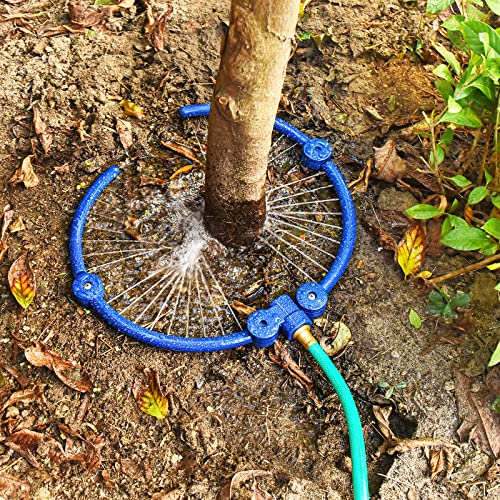
【Specially Designed for Trees and Shrubs】 The Watering Ring is a multi-purpose irrigation ring that attaches to a garden hose to efficiently water young trees shrubs vegetables or flower beds using drip or trickle irrigation.It directs water to the root perimeter of the plant to give them a good start during the first two growing seasons or through periods of drought.
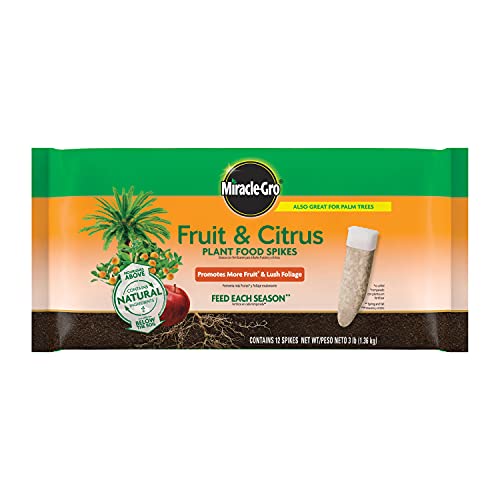
FORMULATED FOR CITRUS AND FRUIT TREES: Use these citrus fertilizer spikes on apple, orange, lemon, lime, and avocado trees; this formula is also great for feeding palm trees
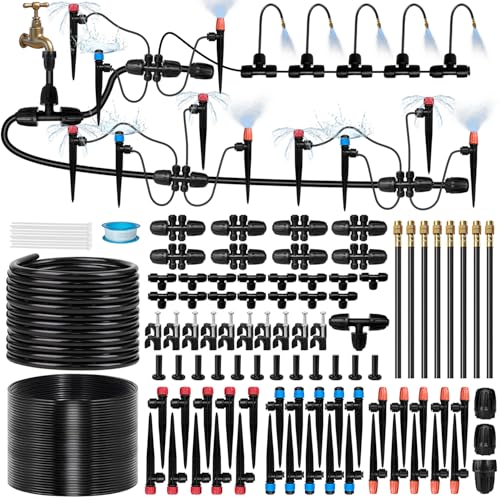
【Upgraded Tube Design & Water Saving】 Our garden watering system is upgraded to 1/2” diameter to support high water pressure. The 1/2” tee connector allows seamless splitting into 2 independent zones for customized watering schedules. By delivering moisture directly to root zones, this drip Irrigation system significantly reduces evaporation and runoff—saving more water compared to conventional sprinklers while eliminating the need for manual watering.
Soil Type
Soil type plays a crucial role in fruit tree growth. Sandy or rocky soils are common in desert areas. These soils often drain quickly, limiting water availability for roots. To improve conditions, consider:
- Amending Soil: Add organic matter like compost to increase nutrient levels and improve moisture retention.
- Testing Soil: Conduct a soil test to check pH and nutrient levels, guiding your choice of amendments.
Selecting fruit trees that adapt to specific soil types can also enhance success rates. For instance, fig trees often thrive in poorer soils compared to other fruit tree varieties.
Water Availability
Water availability is essential for fruit tree health. Desert conditions with low rainfall necessitate efficient watering practices. Consider these strategies:
- Deep Watering: Water trees deeply but less frequently. This encourages roots to grow deeper, accessing moisture reserves.
- Drip Irrigation: Install a drip irrigation system for targeted watering, minimizing evaporation and maximizing efficiency.
- Mulching: Apply a layer of organic mulch around trees. Mulching reduces weed growth and helps retain soil moisture.
Choosing drought-tolerant trees like jujubes or pomegranates, which require less water, supports successful growth in arid conditions.
Temperature Extremes
Temperature extremes can stress fruit trees, but some species tolerate heat much better than others. Use the following tips:
- Select Heat-Resistant Varieties: Choose trees known for their heat tolerance, such as date palms and pomegranates, which perform well in high temperatures.
- Provide Shade: Consider planting taller trees or using shade structures to protect young trees from harsh afternoon sun.
- Monitor Temperature: Use a thermometer to track temperature extremes in your garden. This information helps you make informed decisions about tree care.
By focusing on these factors—soil type, water availability, and temperature extremes—you can create an ideal environment for your desert fruit trees to thrive.
Ideal Fruit Trees for Desert Conditions
Selecting the right fruit trees is key to thriving in desert environments. Consider these options that excel in arid conditions.
Recommended Products

This set includes one Pomegranate plant. It is currently 4 to 6 inches tall and is provided as a soil plug (no pot)


1 pomegranate plant, 6-12 inches tall, well-rooted in a 4-inch nursery pot
Citrus Trees
Citrus trees, like oranges and lemons, thrive in warm climates. They require full sun and well-drained soil. When planting, choose a location with good air circulation to prevent disease. Regular watering is essential, especially during fruit development. Mulch around the base helps retain moisture. These trees not only survive but produce sweet and tangy fruits for your enjoyment.
Pomegranate Trees
Pomegranate trees are exceptionally drought-resistant. They flourish in sandy or rocky soils and can withstand heat. When planting, give them plenty of space for growth. Water deeply but infrequently to encourage deep root systems. Pomegranates bear fruit in late summer or early fall and produce vibrant, juicy seeds that enhance salads and desserts.
Fig Trees
Fig trees adapt well to desert conditions, capable of handling extreme heat and dry air. They prefer well-drained soil and full sunlight. Water your fig tree regularly, especially during the first year as it establishes roots. Once established, it requires less frequent watering. Figs can produce two crops annually, offering a sweet treat that’s perfect for fresh eating or preserves.
Date Palms
Date palms are iconic in desert landscapes, thriving in sandy, well-draining soil. They require full sun and significant space to grow, as they can reach impressive heights. Watering these palms deeply every few weeks encourages strong roots. Once established, date palms can tolerate prolonged periods without water. The sweet, chewy dates they produce are a delightful reward, perfect for snacking or adding to recipes.
Tips for Growing Fruit Trees in the Desert
Growing fruit trees in the desert can be rewarding with the right techniques and knowledge. Here are essential tips for successful cultivation.
Recommended Products

SAVE TIME AND EFFORT: This plant watering kit has everything you need to get started with drip irrigation and precisely water up to ten individual plants. Use the kit to build, expand, or repair a drip irrigation system
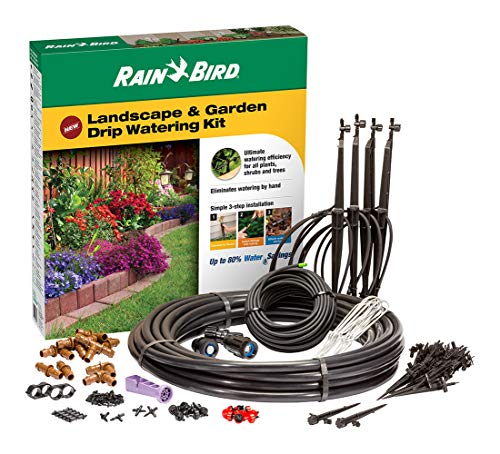
Comprehensive 108-piece kit for flower beds, gardens and landscaped areas; eliminates hand watering, saves time and money

NO MORE HARD INSTALLATION - SET UP IN MINUTES. Tired of struggling with stiff barbed fittings? This drip irrigation system features quick-connect fittings that let you push, lock, and secure tubing effortlessly. No tools, no leaks, just a smooth setup experience. Enjoy a frustration-free installation and get your garden watering system running in minutes.
Watering Techniques
Water your fruit trees deeply and infrequently. This encourages roots to grow deeper into the soil, making them more resilient. Use drip irrigation systems for efficient water delivery directly to the roots. Watering in the early morning helps reduce evaporation and ensures your trees get enough moisture. After planting, maintain a regular schedule, but adjust based on rainfall and temperature; trees may need more water in extreme heat.
Soil Amendment
Amend sandy or rocky soils with organic matter, like compost or well-rotted manure. This improves nutrient levels and moisture retention. Mix about 30% organic matter into your planting hole when you plant your tree. Consider adding mulch around the base of the tree. Mulch conserves moisture, suppresses weeds, and protects roots. Aim for a two to three-inch layer, keeping it a few inches from the trunk to avoid rot.
Pest Management
Implement pest management strategies regularly. Monitor your trees for signs of pests, such as seeing holes in leaves or sticky residue. Natural solutions, such as using neem oil or insecticidal soap, help control common pests without harming beneficial insects. Introduce beneficial insects, like ladybugs and lacewings, which prey on harmful pests. Establish yellow sticky traps close to your trees to catch flying insects early. Regularly inspect and maintain your trees to promote health and reduce pest occurrences.
Conclusion
Growing fruit trees in the desert isn’t just possible—it can be incredibly rewarding. With the right choices and care you can transform your arid space into a thriving oasis.
By selecting the right varieties like pomegranates and figs and employing smart watering techniques you’ll set yourself up for success. Remember to amend your soil and provide shade when needed.
With a little patience and creativity your garden can flourish even in the harshest conditions. So go ahead and plant those trees—you’ll be enjoying fresh fruit from your own backyard before you know it!
Frequently Asked Questions
Can fruit trees grow in desert conditions?
Yes, fruit trees can thrive in desert conditions with the right selection and techniques. Drought-tolerant and heat-resistant varieties like pomegranate, fig, jujube, and date palm are particularly suitable for arid climates.
What are the best fruit trees for arid climates?
The best fruit trees for arid climates include pomegranate, fig, jujube, date palm, and certain citrus varieties. These trees are chosen for their ability to tolerate heat and withstand low water availability.
How do I amend sandy soil for fruit trees?
To amend sandy soil, mix in organic matter such as compost or well-rotted manure. This improves nutrient levels and moisture retention, helping fruit trees grow better in desert conditions.
What watering practices are recommended for desert fruit trees?
Deep watering and drip irrigation are recommended for desert fruit trees. Deep watering encourages root growth, while drip irrigation provides efficient and consistent water delivery, reducing wastage.
How can I protect fruit trees from extreme temperatures?
Providing shade through natural barriers, such as other plants or structures, can help protect fruit trees from extreme temperatures. Additionally, maintaining proper watering and soil health helps them withstand heat.
Is pest management necessary for fruit trees in desert climates?
Yes, pest management is important for fruit trees, even in desert climates. Implementing natural pest control methods and maintaining healthy trees can prevent infestations and ensure productive growth.
What tips can beginners follow when growing fruit trees in the desert?
Beginners should start with drought-tolerant tree varieties, focus on soil amendments, use efficient watering techniques, and manage pests naturally. Creating a consistent care routine will also boost their success.
