

Are you noticing your nectarine tree looking a bit under the weather lately? It’s a common concern among gardeners like yourself. Picture this: you’ve nurtured your tree, eagerly anticipating a bountiful harvest, only to find it struggling. But fret not, as we’re here to shed light on why your nectarine tree might be fading.
In this article, we’ll explore the possible reasons behind your nectarine tree’s decline and provide you with practical solutions to revive it. By understanding the signs and symptoms of a struggling tree, you’ll be equipped to give it the care it needs to thrive once more. Stay tuned to learn how to identify the root cause of your nectarine tree’s distress and take the necessary steps to bring it back to its former glory.
Key Takeaways
- Watch for signs of a dying nectarine tree such as wilting leaves, yellowing leaves, sparse foliage, branch dieback, fruit drop, and bark damage.
- Consider factors like soil conditions, watering practices, disease and pests, temperature and climate, pruning and maintenance, nutrient deficiency, root health, and sunlight exposure that can affect nectarine tree health.
- Implement proper care techniques including well-draining soil, consistent moisture, pruning practices, frost protection, fertilization, root health maintenance, and regular observation for a healthy nectarine tree.
- Seek professional help from arborists or horticulturists if your nectarine tree continues to decline despite your efforts, for accurate diagnosis, tailored treatment plans, expert guidance, preventive measures, and specialized knowledge.
Common Signs of a Dying Nectarine Tree
When your nectarine tree is struggling, it often shows visible signs that indicate its declining health. Recognizing these common indicators can help you take timely action to address the issues and restore the tree’s vitality. Below are key signals that suggest your nectarine tree may be in distress:
- Wilting Leaves: If you notice the leaves on your nectarine tree drooping or appearing limp, it could be a sign of underlying stress. Healthy nectarine trees should have vibrant, turgid leaves, so any wilting may indicate issues with water uptake or nutrient deficiencies.
- Yellowing Leaves: Yellow leaves on a nectarine tree can signify several problems, including nutrient deficiencies, overwatering, or root issues. Pay attention to the pattern of yellowing—whether it starts at the tips, edges, or base of the leaves—to narrow down the possible causes.
- Sparse Foliage: A sparse canopy with fewer leaves than usual is a red flag for a struggling nectarine tree. Proper foliage density ensures efficient photosynthesis and fruit production, so any significant thinning of the canopy warrants investigation into potential stressors affecting the tree’s growth.
- Dieback of Branches: Branch dieback, characterized by the browning and withering of branches, indicates damage or disease affecting the vascular system of the tree. Dead branches not only detract from the tree’s aesthetics but also impede its overall growth and productivity.
- Fruit Drop: Premature dropping of fruit before ripening can bespeak an unhealthy nectarine tree. While shedding some fruit is normal for thinning purposes, excessive fruit drop without apparent external causes may point to issues such as inadequate pollination, pests, or diseases compromising the tree’s well-being.
- Bark Damage: Damage to the bark, including cracks, lesions, or oozing sap, can be symptomatic of pest infestations, fungal infections, or physical injuries that weaken the tree’s defenses. Monitoring the bark for any abnormalities can aid in diagnosing the tree’s health status.
By staying vigilant for these signs of a dying nectarine tree, you can proactively address the underlying issues and implement appropriate remedies to rejuvenate your tree’s health and vigor. Remember that early intervention is key to saving a distressed nectarine tree and fostering its recovery.
Factors Affecting Nectarine Tree Health
To understand why your nectarine tree might be declining, it’s essential to consider various factors that can impact its health. By recognizing these influences, you can take proactive steps to address the issues and improve the tree’s well-being.
Recommended Products
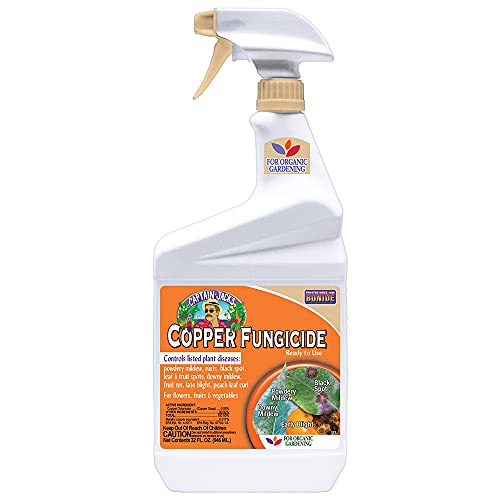
Control fungus and disease in your garden with Captain Jack’s ready-to-use Liquid Copper Fungicide!
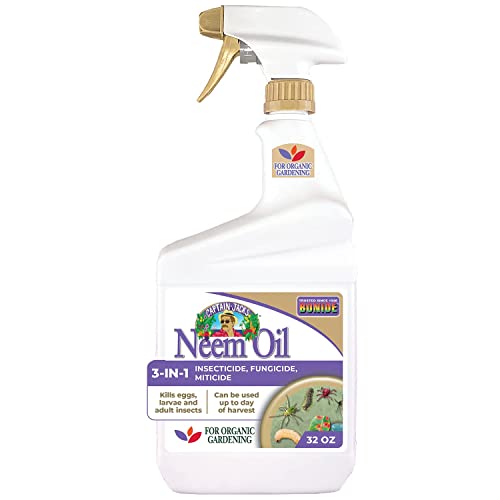
Protect your oasis with 3 garden products in 1 from Captain Jack’s; Bonide Captain Jack’s Ready-to-Use Neem Oil spray for plants is a multi-purpose fungicide, insecticide and miticide for your lawn & garden

CURES & PREVENTS LAWN DISEASES: Fungus Control for Lawns controls and prevents listed lawn diseases when used as directed; Can be used on all lawn types; Use only on lawns
1. Soil Conditions
Healthy nectarine trees require well-draining soil with proper nutrient levels for optimal growth. If the soil is compacted or lacks essential nutrients like nitrogen, phosphorus, or potassium, your tree may struggle to thrive.
2. Watering Practices
Improper watering, whether too much or too little, can harm nectarine trees. Overwatering can lead to root rot, while underwatering can stress the tree and affect fruit production. Maintaining a consistent watering schedule is crucial for tree health.
3. Disease and Pests
Common diseases such as brown rot, powdery mildew, or pests like aphids and scale insects can weaken nectarine trees. Regular inspection and early intervention can prevent these issues from escalating and causing significant damage.
4. Temperature and Climate
Nectarine trees thrive in specific temperature ranges and climates. Extreme heat or cold can stress the tree, impacting its growth and fruit production. Consider the climate in your area and take necessary precautions to protect your tree.
5. Pruning and Maintenance
Proper pruning practices are essential for maintaining nectarine tree health. Overgrown branches, dead wood, or improper pruning techniques can hinder growth and lead to disease susceptibility. Regular pruning and tree care can promote overall tree vitality.
6. Nutrient Deficiency
A lack of essential nutrients in the soil can result in nutrient deficiencies in nectarine trees. Symptoms such as yellowing leaves, stunted growth, or poor fruit quality may indicate a lack of specific nutrients. Conduct soil tests and provide appropriate fertilization to address deficiencies.
7. Root Health
Strong, healthy roots are crucial for nectarine tree growth and development. Compromised root systems due to overwatering, compacted soil, or diseases can affect the tree’s overall health. Monitor root health and address any issues promptly.
8. Sunlight Exposure
Nectarine trees require adequate sunlight to photosynthesize and produce fruit. Insufficient sunlight can weaken the tree and reduce fruit yield. Ensure your tree receives the recommended amount of sunlight based on its variety and location.
Proper Care Techniques for a Nectarine Tree
To ensure your nectarine tree thrives, it’s crucial to follow proper care techniques diligently. Here are some essential practices to help your tree stay healthy and produce delicious fruit.
Soil Conditions
- Well-Draining Soil: Plant your nectarine tree in soil that drains well to prevent waterlogged roots.
- pH Level: Aim for a soil pH of 6.0 to 6.5, slightly acidic, for optimal nectarine tree growth.
Watering Practices
- Consistent Moisture: Keep the soil consistently moist but not waterlogged to support healthy root development.
- Deep Watering: Water deeply, reaching the root zone, rather than frequent shallow watering.
Diseases and Pests
- Pruning Practices: Regularly prune to increase airflow, reduce disease risk, and promote fruit production.
- Pest Monitoring: Keep an eye out for common pests like aphids and spider mites, treating them promptly if detected.
Temperature and Sunlight
- Frost Protection: Shield your nectarine tree from frost during cold spells to prevent damage.
- Sun Exposure: Ensure your tree gets at least 6-8 hours of sunlight daily for optimal growth and fruiting.
Nutrient Management
- Fertilization: Apply a balanced fertilizer in early spring to provide essential nutrients for growth and fruiting.
- Mulching: Mulch around the base of the tree to retain moisture and regulate soil temperature.
Root Health
- Avoid Compaction: Prevent soil compaction around the root zone by avoiding heavy foot traffic or machinery.
- Root Protection: Be cautious when digging around the tree to avoid damaging the delicate roots.
- Observation: Regularly inspect your nectarine tree for any signs of stress, disease, or pest infestation.
- Early Intervention: Address any issues promptly to prevent them from escalating and affecting the tree’s health.
By implementing these proper care techniques for your nectarine tree, you can create an environment that promotes growth, resilience, and an abundant harvest of delicious nectarines. Keep a close eye on your tree’s health and make adjustments as needed to ensure its well-being.
Seeking Professional Help
When your nectarine tree shows persistent signs of decline despite your best efforts to revive it, seeking professional help from an arborist or horticulturist is vital. These experts can provide valuable insights and specialized care to diagnose and address underlying issues that may be impacting your tree’s health.
Consulting with a professional offers several advantages:
- Accurate Diagnosis: An experienced arborist can accurately identify the root cause of your nectarine tree’s decline by conducting
conducting thorough assessments. They can pinpoint specific diseases, pest infestations, nutrient deficiencies, or other issues that
may be affecting your tree. - Tailored Treatment Plans: Based on the diagnosis, the professional can develop a customized treatment plan to address the
identified issues effectively. This plan may include targeted pruning, disease management strategies, soil amendments, or other
interventions to restore your tree’s health. - Expert Guidance: Professionals can provide you with expert guidance on proper care practices tailored to your nectarine tree’s
specific needs. They can advise you on watering schedules, fertilization techniques, pruning methods, and overall tree maintenance to
promote growth and vitality. - Preventive Measures: By seeking professional help, you can prevent potential problems in the future. Professionals can offer
preventive measures and ongoing care recommendations to maintain your nectarine tree’s health and prevent future issues from arising. - Specialized Knowledge: Arborists and horticulturists possess specialized knowledge in tree care and maintenance. Their expertise
can help you navigate complex issues related to nectarine trees and implement solutions that promote long-term tree health.
Remember, your nectarine tree’s well-being is worth the investment in professional assistance. By collaborating with experts, you can nurture your tree back to health and enjoy its beauty and fruitfulness for years to come.
Conclusion
Your nectarine tree’s health is crucial for its longevity. By understanding the symptoms, factors affecting its well-being, and implementing proper care techniques, you can give it the best chance to thrive. Remember, seeking help from professionals like arborists or horticulturists is key when your tree is in distress. Their expertise in diagnosis, treatment, and preventive measures can make a significant difference in reviving your tree’s health. Trusting the guidance of these experts ensures that your nectarine tree stays healthy and vibrant for years to come.
Frequently Asked Questions
What are the common symptoms indicating a nectarine tree’s declining health?
Common symptoms include yellowing leaves, stunted growth, leaf curling, wilting, and fruit discoloration.
What factors can contribute to a nectarine tree’s decline?
Soil pH imbalance, improper watering, nutrient deficiencies, pests, diseases, and unfavorable weather conditions can impact a tree’s health.
Why is it essential to seek professional help for a declining nectarine tree?
Professionals like arborists or horticulturists can provide accurate diagnosis, personalized treatment plans, guidance on care practices, preventive measures, and specialized knowledge for the tree’s well-being.
How can collaborating with experts help revive a nectarine tree?
Experts can offer tailored solutions, recommend appropriate treatments, and provide ongoing support to help revive the tree’s health and maintain its well-being in the long run.
