

Have you ever wondered which fruit trees can thrive in Nevada’s unique climate? With its hot summers and cold winters, choosing the right trees can feel tricky. But don’t worry; you’re not alone in this quest for homegrown fruit.
Key Takeaways
- Understand Nevada’s Climate: Recognize the significance of Nevada’s hot summers and cold winters when choosing suitable fruit trees to grow.
- Select Cold-Hardy and Heat-Tolerant Varieties: Opt for fruit trees like pomegranates, figs, apples, and cherries that can withstand the state’s extreme temperature fluctuations.
- Utilize Efficient Irrigation Systems: Given the low annual rainfall, implementing drip irrigation systems is crucial for providing adequate moisture to fruit trees.
- Choose the Right Soil Composition: Focus on well-draining, sandy loam or loamy soil with a pH between 6.0 and 7.0 to promote healthy tree growth.
- Practice Regular Monitoring for Pests: Be vigilant about common pests like aphids and spider mites, and consider organic pest control methods to maintain tree health.
- Implement Stress Management Techniques: Use protective measures, such as shading or wrapping trees, to mitigate environmental stressors from extreme temperatures during both summer and winter.
Overview of Nevada’s Climate
Nevada’s climate presents both challenges and opportunities for growing fruit trees. With hot summers and cold winters, understanding these conditions is critical for selecting the right varieties.
Temperature Considerations
Temperatures in Nevada can fluctuate significantly. Summer highs often exceed 100°F (38°C), while winter lows can drop below 20°F (-6°C). You should choose fruit trees that can tolerate extreme heat and cold. Look for varieties like pomegranates and figs, which thrive in warmer conditions. Apples and cherries perform well in cooler temperatures if you select cold-hardy types. It’s vital to consider the hardiness zone of the tree species, ensuring they can withstand local extremes.
Precipitation Patterns
Nevada experiences low annual rainfall, averaging between 7-12 inches (18-30 cm), depending on the region. Irrigation becomes essential for fruit trees due to this limited moisture. Consider drip irrigation systems for efficient watering. Many fruit trees, like apricots and peaches, benefit from some supplemental irrigation during dry spells. Also, ensure proper soil drainage to prevent root rot in wet conditions. Understanding these precipitation patterns helps you better manage hydration for your trees.
Recommended Fruit Trees for Nevada
Growing fruit trees in Nevada’s unique climate can lead to a rewarding harvest. Consider these categories of fruit trees suitable for your garden.
Recommended Products
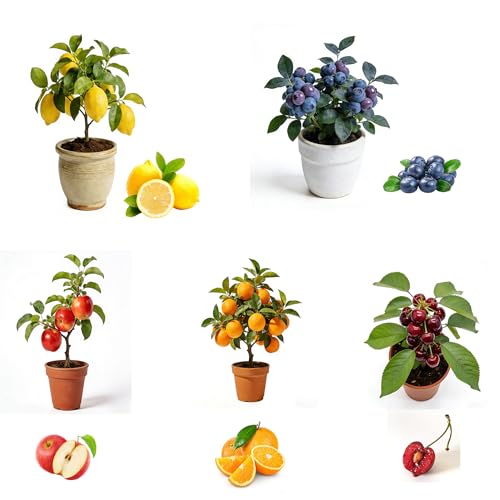
Complete Fruit Garden Collection: This comprehensive seed set provides everything needed to start a diverse container fruit garden.With 160 total seeds, this collection offers exceptional value for gardeners seeking to grow multiple fruit varieties in containers on patios, balconies, or small spaces

BEGINNER-FRIENDLY & EASY TO GROW – Perfect for first-time bonsai growers, simple planting and care instructions

Product Quantity: Five+ dwarf peach tree seeds per packet; Premium selection for optimal viability; Perfect for starting your own backyard orchard
Pome Fruits
Pome fruits thrive in Nevada’s climate. Varieties like ‘Honeycrisp’ and ‘Granny Smith’ apples tolerate both heat and cold. Choose rootstock suited for drought; these trees need proper irrigation, especially during hot spells. Aim for locations with full sun exposure to maximize fruit production.
Stone Fruits
Stone fruits excel in Nevada’s warm summers. Peaches, plums, and cherries are excellent options. Select varieties like ‘Red Haven’ peaches or ‘Bing’ cherries for better resilience. Proper pruning keeps the trees healthy, promoting airflow and reducing disease risk. Consider planting in well-draining soil to avoid root complications.
Berries
Berries offer a smaller-scale fruit option for Nevada gardeners. Raspberry and blackberry bushes adapt well to various conditions. Select varieties like ‘Boysenberry’ and ‘Heritage Raspberry’ for prolific yields. Mulching around the base helps retain soil moisture, making them easier to care for in dry conditions. Regular pruning encourages healthy growth and more fruit.
Best Practices for Growing Fruit Trees in Nevada
Growing fruit trees in Nevada requires specific practices to thrive in its unique climate. Follow these best practices to ensure healthy, productive trees.
Recommended Products
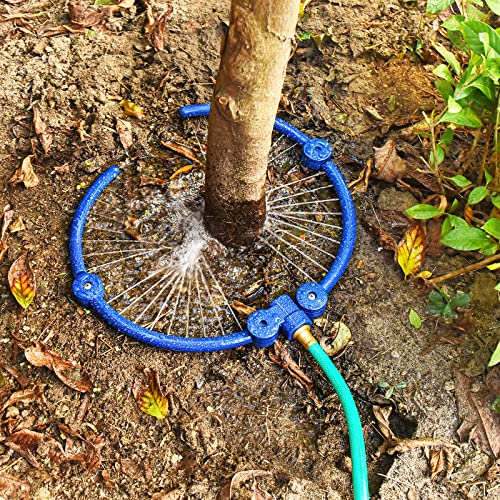
【Specially Designed for Trees and Shrubs】 The Watering Ring is a multi-purpose irrigation ring that attaches to a garden hose to efficiently water young trees shrubs vegetables or flower beds using drip or trickle irrigation.It directs water to the root perimeter of the plant to give them a good start during the first two growing seasons or through periods of drought.

Quick & Easy Filling: No adjustments required and kid friendly operation for hassle-free watering
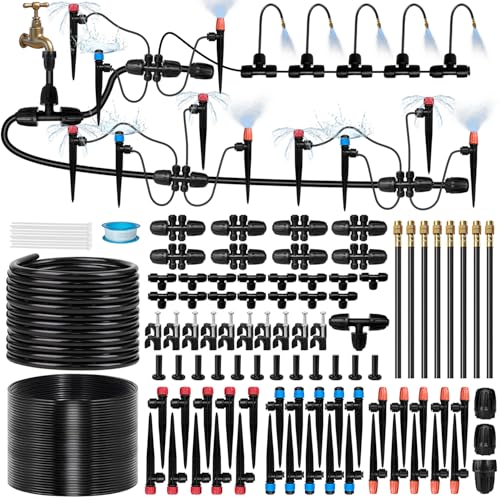
【Upgraded Tube Design & Water Saving】 Our garden watering system is upgraded to 1/2” diameter to support high water pressure. The 1/2” tee connector allows seamless splitting into 2 independent zones for customized watering schedules. By delivering moisture directly to root zones, this drip Irrigation system significantly reduces evaporation and runoff—saving more water compared to conventional sprinklers while eliminating the need for manual watering.
Soil Selection and Preparation
Select soil that drains well and retains moisture. Aim for a sandy loam or loamy soil mix. Test your soil’s pH; a pH level between 6.0 and 7.0 promotes best growth.
Prepare your soil by adding organic matter. Composted materials increase nutrients and improve drainage.
Use mulch to regulate soil temperature and moisture levels. Lay down a layer of 3-5 inches to suppress weeds and protect roots.
Watering Techniques
Utilize efficient watering methods to combat Nevada’s low rainfall. Drip irrigation systems are ideal for providing consistent moisture.
Water your trees deeply but infrequently, allowing soil to dry out between watering sessions. This encourages deep root growth.
Adjust your watering schedule based on the season. Water more during the hot summer months, aiming for 1-2 inches of water per week. In winter, reduce watering as trees enter dormancy.
Monitor for signs of drought stress, like drooping leaves. This will help you adjust your care routine effectively.
Challenges in Growing Fruit Trees in Nevada
Growing fruit trees in Nevada presents unique challenges due to the state’s particular climate and environmental conditions. Understanding these obstacles helps ensure better success for your gardening efforts.
Recommended Products

READY-TO-USE CONTACT SPRAY: No mixing required. Thoroughly spray insecticide on all plant parts, including the underside of leaves. Pests must be sprayed directly to achieve control

KILLS LISTED FRUIT & CITRUS TREE INSECTS: Controls Asian Citrus Psyllid, Whiteflies, Aphids Thrips, Citrus Leafminers, Leafhoppers, Blackfly, Mealybugs, Scales, Avocado Lacebugs, Oriental Beetles, Flea Beetles, Sharpshooters, and Spittlebugs

Control diseases and insects in your garden with Captain Jack’s Fruit Tree Spray Concentrate! Use on a variety of listed fruits, nuts and citrus plants.
Pest Management
Pests can threaten the health of your fruit trees throughout the growing season. Common pests in Nevada include aphids, spider mites, and whiteflies. Monitor your trees regularly for early signs of infestation. Use organic pest control methods, such as introducing beneficial insects like ladybugs, or applying insecticidal soap to affected areas. Choose resistant fruit tree varieties when possible, and maintain tree health to minimize pest problems.
Environmental Stressors
Extreme temperatures can stress fruit trees. Summer heat often exceeds 100°F, while winter temperatures can dip below 20°F. These fluctuations affect tree growth and fruit production. To combat heat stress, shade your trees with cloth or mulch during the hottest months. For cold protection, wrap young trees with burlap or use frost cloths on especially cold nights. Proper watering practices also play a crucial role; ensure that your trees receive adequate moisture without overwatering, which can lead to root rot.
Conclusion
Growing fruit trees in Nevada can be a rewarding experience. With the right choices and care you can enjoy a bountiful harvest even in challenging conditions. Remember to select varieties that thrive in both heat and cold to ensure your trees flourish.
Don’t forget the importance of proper soil preparation and efficient watering techniques. By staying attentive to your trees’ needs you’ll create a thriving garden that can withstand Nevada’s unique climate. Embrace the journey of gardening and watch your efforts bear fruit in more ways than one. Happy planting!
Frequently Asked Questions
What fruit trees can thrive in Nevada’s climate?
Fruit trees that thrive in Nevada include pomegranates and figs for hot summers, and cold-hardy varieties like ‘Honeycrisp’ and ‘Granny Smith’ apples, as well as ‘Red Haven’ peaches and ‘Bing’ cherries for the cooler months. Berries like ‘Boysenberry’ and ‘Heritage Raspberry’ are also suitable.
How can I manage irrigation for fruit trees in Nevada?
Due to Nevada’s low annual rainfall, it’s essential to implement an efficient irrigation system, such as drip irrigation, to ensure your fruit trees receive adequate moisture. Regularly monitor soil moisture to prevent drought stress.
What soil conditions do fruit trees need in Nevada?
Fruit trees in Nevada prefer sandy loam or loamy soil that drains well and retains moisture. Aim for a soil pH of 6.0 to 7.0 and consider adding organic matter to improve soil quality and promote healthy growth.
How should I water my fruit trees?
Water your fruit trees deeply but infrequently to encourage deep root growth. Adjust your watering schedule according to seasonal changes and always monitor for signs of drought stress to ensure proper hydration.
What are common pests affecting fruit trees in Nevada?
Common pests include aphids, spider mites, and whiteflies. To manage these pests, consider using organic control methods and select tree varieties that are resistant to pest damage. Regular monitoring can help maintain tree health.
How can I protect my fruit trees from extreme temperatures?
To protect your trees from extreme heat, provide shade during the hottest days. In winter, wrap young trees to shield them from the cold. Proper watering practices are essential to help trees cope with temperature stress.
What is the importance of pruning fruit trees?
Pruning fruit trees is crucial for promoting healthy growth, improving air circulation, and maximizing fruit production. Regular pruning helps remove dead or diseased branches and encourages better sunlight exposure for the remaining foliage.
