Close Menu
    Fruit Tree Hub
    • Home
    • Apple Trees
    • Lemon Trees
    • Mango Trees
    • Orange Trees
    • More Trees
      • Best Fruit Trees
      • Apricot Trees
      • Cherry Trees
      • Fig Trees
      • Lime Trees
      • Mulberry Trees
      • Peach Trees
      • Pear Trees
      • Plum Trees
      • Pomegranate Trees
    • Tips and Advice
      • Tools
    • About Us
      • Contact
      • Privacy Policy
    Fruit Tree Hub
    Home»Tips and Advice»Can You Prune Plum Trees After Fruiting to Improve Health and Future Yields
    Tips and Advice

    Can You Prune Plum Trees After Fruiting to Improve Health and Future Yields

    Martha JacksonBy Martha JacksonNovember 23, 20248 Mins Read
    Share Facebook Twitter Pinterest WhatsApp Email
    Share
    Facebook Twitter LinkedIn Pinterest Telegram Email

    Have you ever wondered if it’s okay to prune your plum trees after they’ve borne fruit? Many gardeners face this question, especially when trying to keep their trees healthy and productive. You might find yourself with a tree that’s bursting with fruit but also in need of some TLC.

    Contents show
    1 Key Takeaways
    2 Can You Prune Plum Trees After Fruiting?
    2.1 Optimal Timing for Pruning
    2.2 What to Prune
    2.3 How to Prune
    2.4 Effects of Pruning
    3 Importance of Pruning Plum Trees
    3.1 Benefits of Pruning
    4 Best Practices for Pruning
    4.1 Timing of Pruning
    4.2 Techniques for Effective Pruning
    5 Factors to Consider
    5.1 Tree Health
    5.2 Fruit Production
    6 Conclusion
    7 Frequently Asked Questions
    7.1 Can I prune my plum tree after it has produced fruit?
    7.2 What are the signs that my plum tree needs pruning?
    7.3 What are the best practices for pruning plum trees?
    7.4 Why is timing important when pruning plum trees?
    7.5 Will pruning my plum tree reduce its fruit yield?
    7.6 How can I ensure proper pruning techniques for my plum tree?
    7.7 Should I prune my plum tree in winter?
    7.8 How does pruning improve my plum tree’s health?

    Key Takeaways

    • Pruning plum trees after fruiting is beneficial and should be done in late summer or early fall to promote tree health and future growth.
    • Focus on removing dead or diseased branches, crossing branches, excess growth, and water sprouts for optimal air circulation and sunlight penetration.
    • Utilize sharp, clean pruning tools and make angled cuts above buds to encourage healthy regrowth and minimize disease risk.
    • Proper pruning enhances fruit quality and can lead to a more abundant yield in subsequent seasons, without significantly affecting the current harvest.
    • Ensure a balanced approach when pruning to avoid risks such as overpruning, which can negatively impact tree structure and yield.

    Can You Prune Plum Trees After Fruiting?

    Yes, you can prune plum trees after fruiting, but timing and technique matter. Pruning at the right time helps maintain tree health and encourages new growth for the next season.

    Recommended Products

    alblinsy Fruit Tree Branch Puller Tying Machine Farm Tools New Plum Tree Open Angle Pull Branch stereotyped Branch Bending Tool Used to Support The Growth and Fruiting of Branches (M-3.15" 24PCS)
    alblinsy Fruit Tree Branch Puller Tying Machine Farm Tools New Plum Tree Open Angle Pull Branch stereotyped Branch Bending Tool Used to Support The Growth and Fruiting of Branches (M-3.15" 24PCS)

    Package Includes: Come with 24 pieces of fruit branch forms stronger branches. which can be used to pull the branches flat, and fruit trees can absorb sunlight, ventilation and fruitfulness.

    MUST READ
    Which Fruit Trees Bear Fruit Fastest
    VIEW LATEST PRICE

    As an affiliate, we earn on qualifying purchases.

    WORKPRO W151010 Limb and Branch Pruner Tool Set, Heat-Treated Steel (1 Set)
    WORKPRO W151010 Limb and Branch Pruner Tool Set, Heat-Treated Steel (1 Set)

    Ideal for pruning flowers and other garden plants

    VIEW LATEST PRICE

    As an affiliate, we earn on qualifying purchases.

    Optimal Timing for Pruning

    Pruning should occur in late summer or early fall, right after harvesting fruit. This timing allows the tree to heal before winter, minimizing stress and reducing the risk of disease. Avoid late fall or winter pruning, as this can stimulate new growth that can be damaged by frost.

    What to Prune

    When pruning, focus on removing:

    • Dead or Diseased Branches: Eliminate any branches that show signs of illness or decay.
    • Crossing Branches: Cut branches that rub against each other to improve airflow and reduce the risk of injury.
    • Excess Growth: Thin out areas where growth is too dense to allow sunlight penetration.
    • Water Sprouts: Remove vigorous upright shoots that detract from the tree’s overall shape.

    How to Prune

    1. Gather Tools: Use sharp, clean tools like pruning shears and loppers.
    2. Assess the Tree: Stand back and observe the tree’s structure. Identify areas that need attention.
    3. Make Cuts: Cut at a slight angle just above a bud or branch to encourage healthy growth. Avoid leaving stubs, as they can foster disease.
    4. Clean Up: Dispose of any cut branches and debris to reduce disease risk.

    Effects of Pruning

    Pruning after fruiting can enhance air circulation and sunlight penetration, resulting in healthier growth. Additionally, targeted pruning can lead to more abundant fruit in the next growing season, as it encourages the tree to focus its energy on producing quality fruit rather than maintaining excess foliage.

    • Will Pruning Reduce Yield?: Pruning doesn’t significantly affect yield if done properly. In fact, it often improves fruit quality.
    • Is It Safe for Young Trees?: Young plum trees benefit from light pruning to shape the tree and encourage a strong structure.

    By following these guidelines, you can effectively prune plum trees after fruiting, promoting better health and productivity for years to come.

    MUST READ
    Do You Need Two Chestnut Trees to Produce Fruit for a Successful Harvest

    Importance of Pruning Plum Trees

    Pruning plum trees plays a crucial role in their health and productivity. Proper pruning techniques promote vigorous growth and improve fruit quality. Here’s a closer look at the specific benefits and potential risks associated with pruning your plum trees.

    Benefits of Pruning

    1. Enhances Air Circulation: Pruning removes excess branches, allowing air to flow freely through the tree. This reduces the risk of fungal diseases and promotes healthier foliage.
    2. Improves Sunlight Penetration: Thinning out crowded branches ensures that sunlight reaches all parts of the tree. Better light exposure encourages more robust fruit production.
    3. Encourages Stronger Growth: By eliminating dead or diseased branches, you direct the tree’s energy towards healthy growth. This fosters a stronger and more resilient tree.
    4. Stimulates Better Fruit Quality: Well-pruned trees often yield larger and tastier fruit. The increased sunlight and airflow help fruits ripen more evenly.
    5. Prevents Overcrowding: Regular pruning keeps the tree’s structure manageable, preventing overcrowding that can lead to competition for resources.
    1. Increases Disease Risk: Incorrect cuts can create entry points for pathogens. Always use clean, sharp tools to minimize this threat.
    2. May Reduce Yield: Over-pruning or incorrect timing can stress the tree, leading to fewer fruits the following season. Aim for a balanced approach when pruning.
    3. Can Weaken Structure: Unskilled pruning can result in poorly shaped trees. Focus on preserving the natural structure for better stability.
    4. Leads to Sunburn: Exposing too much of the tree to direct sunlight can cause sunburn on the bark. Gradual thinning helps mitigate this risk.
    5. Creates Heavy Regrowth: Pruning too aggressively might trigger excessive shoot growth. Such regrowth can require additional management if it’s uncontrolled.

    Following proper pruning techniques recognizes timing, methods, and tools, ensuring your plum trees thrive year after year.

    Best Practices for Pruning

    Pruning plum trees effectively promotes health and productivity. Following best practices in timing and technique ensures positive outcomes for your trees.

    Recommended Products

    Fiskars 2-Piece Garden Tool Set, Folding Hand Saw & Pruning Shears
    Fiskars 2-Piece Garden Tool Set, Folding Hand Saw & Pruning Shears

    VERSATILE PRUNING AND CUTTING SET: 2-tool combo helps tackle both live green growth and deadwood, making it easy to prune branches, trim plants, and cut through tougher material

    MUST READ
    How to Make an Avocado Tree Bear Fruit: Essential Care Tips for Maximum Yield
    VIEW LATEST PRICE

    As an affiliate, we earn on qualifying purchases.

    Corona Tools 13-Inch RazorTOOTH Pruning Saw | Tree Saw Designed for Single-Hand Use | Curved Blade Hand Saw | Cuts Branches up to 7" in Diameter | RS 7120
    Corona Tools 13-Inch RazorTOOTH Pruning Saw | Tree Saw Designed for Single-Hand Use | Curved Blade Hand Saw | Cuts Branches up to 7" in Diameter | RS 7120

    Razortooth saw technology removes more material in each pass

    VIEW LATEST PRICE

    As an affiliate, we earn on qualifying purchases.

    4-in-1 Cordless Pole Saw&Electric Pruning Shear, 8" 15Ft Reach, 2 Batteries
    4-in-1 Cordless Pole Saw&Electric Pruning Shear, 8" 15Ft Reach, 2 Batteries

    【4-in-1 Pruning System - One Tool for All Yard Need】Tired of switching between loppers, saws, ladders, and pruners? Our professional 4-in-1 electric pole saw & pruning shears kit can replace four tools: pole saw, pruning shears, mini chainsaw and pole pruner. It easily handles tall branches, low shrubs, slender branches, and thick trunks. No need for complex tools or dangerous ladders, this pole of pruning shears for tree trimming making every pruning job faster, cleaner and stress-free

    VIEW LATEST PRICE

    As an affiliate, we earn on qualifying purchases.

    Timing of Pruning

    Prune plum trees late in summer or early in fall, right after harvesting fruit. This timing allows the tree to recover before winter arrives. Avoid winter pruning, as cold temperatures can stress the tree and increase the risk of diseases. If your tree is overgrown, wait until late summer when fruiting is over. This timing encourages stronger growth for the next season.

    Techniques for Effective Pruning

    Use sharp tools, such as pruning shears or saws, for clean cuts. A clean cut minimizes damage and infection risk. Assess the tree’s structure before starting. Identify dead or diseased branches for removal. Remove crossing branches to prevent wounds and enhance air circulation. Take out excess growth and water sprouts, which divert energy from fruit production.

    Make angled cuts above buds to facilitate swift healing and growth. Maintain a balance in the canopy, allowing for sunlight penetration throughout the tree. Finish the process by cleaning up debris around the tree to further reduce disease risk. Regular pruning, when done correctly, not only supports a healthy tree but also enhances fruit quality for the following harvest.

    Factors to Consider

    When pruning plum trees after fruiting, several factors play a crucial role in ensuring their health and productivity. These include tree health and fruit production methods.

    MUST READ
    Where to Buy Bare Root Fruit Trees Near Me: Top Tips for Finding Healthy Options

    Recommended Products

    DECERK® 8.5" Professional Pruning Shears - Cuts 4X Easier with Ultra Sharp Japanese Steel Titanium Blade, Arthritis Friendly Garden Scissors & Plant Clippers, Effortlessly Prunes 3/4" Branches
    DECERK® 8.5" Professional Pruning Shears - Cuts 4X Easier with Ultra Sharp Japanese Steel Titanium Blade, Arthritis Friendly Garden Scissors & Plant Clippers, Effortlessly Prunes 3/4" Branches

    Unbreakable sharpness! Japanese SK5 steel blade with titanium coating endures 100,000 cuts. Built for lifelong clean cuts

    VIEW LATEST PRICE

    As an affiliate, we earn on qualifying purchases.

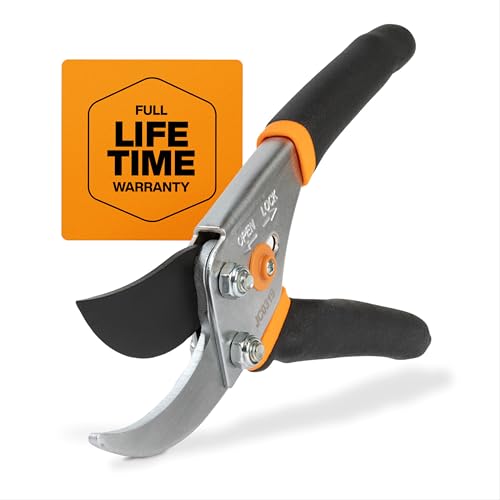
    Fiskars Bypass Pruning Shears, 5/8" Cut Capacity Garden Clippers
    Fiskars Bypass Pruning Shears, 5/8" Cut Capacity Garden Clippers

    CLEAN CUTS FOR LIVE GROWTH: Bypass blade design is ideal for pruning delicate flower stems and green growth, helping reduce crushing and plant damage while cutting stems and small branches up to 5/8” in diameter
    VIEW LATEST PRICE

    As an affiliate, we earn on qualifying purchases.

    Haus & Garten ClassicPRO 8.5" Professional Premium Titanium Bypass Pruning Shears - Use As Pruners, Garden Shears, Heavy Duty Handheld Pruning Shears For Gardening, Clippers, Pruner Scissor Tool
    Haus & Garten ClassicPRO 8.5" Professional Premium Titanium Bypass Pruning Shears - Use As Pruners, Garden Shears, Heavy Duty Handheld Pruning Shears For Gardening, Clippers, Pruner Scissor Tool

    Sharp, Clean Cuts Every Time – Engineered from Japanese grade, high-carbon steel, ClassicPRO bypass pruning shears for gardening stay sharp and make precise cuts that encourage healthy growth and won’t damage your plants

    VIEW LATEST PRICE

    As an affiliate, we earn on qualifying purchases.

    Tree Health

    Assessing tree health is essential before you prune. Look for signs of disease, damage, or stress in your plum tree. Check for dead or diseased branches; removing these maintains overall health. Focus on any crossing branches that could rub against each other, causing wounds. Lightly prune overgrown areas to enhance air circulation, reducing disease risk. Effective pruning helps rejuvenate trees, allowing for better growth and stronger structure in the following seasons.

    Fruit Production

    Timing significantly impacts future fruit production. Pruning right after harvest encourages robust growth for the next season. Remove excess growth and water sprouts to redirect energy towards fruitful branches. Consider your tree’s age; younger trees benefit from gentle pruning to promote a strong trunk and canopy structure. Remember, proper pruning can enhance sunlight exposure, leading to improved fruit quality and yield in your subsequent harvests.

    Conclusion

    Pruning your plum trees after fruiting can be a game changer for their health and productivity. By taking the time to prune in late summer or early fall, you’re setting your trees up for success in the next growing season.

    MUST READ
    Where to Buy Indoor Fruit Trees and Tips for Choosing the Perfect Ones for Your Home

    Remember to focus on removing any dead or diseased branches and maintaining a balanced canopy. This not only improves air circulation and sunlight exposure but also enhances fruit quality. With the right techniques and timing, you can enjoy a bountiful harvest year after year.

    So grab those pruning shears and give your plum trees the care they deserve. Happy gardening!

    Frequently Asked Questions

    Can I prune my plum tree after it has produced fruit?

    Yes, you can prune plum trees after they have produced fruit. It’s best to wait until late summer or early fall, right after harvesting, to allow the tree to recover before winter.

    What are the signs that my plum tree needs pruning?

    Signs that your plum tree needs pruning include dead or diseased branches, crossing branches, excessive growth, and poor air circulation. Inspect the tree regularly for these issues.

    What are the best practices for pruning plum trees?

    Best practices include using sharp tools for clean cuts, assessing the tree’s structure, and pruning just after harvest. This promotes healthy growth and improves fruit quality.

    Why is timing important when pruning plum trees?

    Timing is crucial to ensure the tree can heal properly and to enhance future fruit production. Pruning too early or late can stress the tree and reduce yield.

    Will pruning my plum tree reduce its fruit yield?

    When done correctly, pruning should not significantly reduce fruit yield. In fact, it can improve fruit quality and increase yield in subsequent seasons.

    How can I ensure proper pruning techniques for my plum tree?

    To ensure proper technique, use sharp tools, make angled cuts above buds, and maintain a balanced canopy. Clean up debris afterward to minimize disease risk.

    Should I prune my plum tree in winter?

    It is not recommended to prune plum trees in winter due to the stress it can place on the tree. Late summer pruning is preferred for better results.

    How does pruning improve my plum tree’s health?

    Pruning enhances air circulation and sunlight penetration, which can lead to healthier growth. It also helps prevent disease by removing problematic branches.

    Share. Facebook Twitter Pinterest LinkedIn Tumblr Email
    martha jackson
    Martha Jackson

      Martha Jackson is an accomplished freelance writer and editor with a strong interest in gardening. With a degree in English from the University of California, Berkeley, Martha has over 15 years of experience writing for a variety of publications. She is passionate about making gardening accessible to all and is always seeking out new techniques and innovations.

      Related Posts

      How Long Until Avocado Trees Bear Fruit and Tips for Faster Growth at Home

      February 20, 2025

      What Yellow Fruit Grows on Trees and Their Delicious Health Benefits

      February 20, 2025

      How to Air Layer Fruit Trees: A Step-by-Step Guide for Successful Propagation

      February 20, 2025

      When Do Grapefruit Trees Produce Fruit and How to Maximize Your Harvest

      February 20, 2025

      What Is a Fast Growing Fruit Tree: Discover Quick-Yield Options for Your Garden

      February 20, 2025

      Do Cherry Blossom Trees Have Fruit? Discover the Truth About Their Edibility and Benefits

      February 20, 2025
      Leave A Reply Cancel Reply

      Affiliate Disclosure

      As an Amazon Associate I earn from qualifying purchases.

      Recommended Reading

      Maximize Your Compound Action Lopper’s Lifespan With These Maintenance Tips

      Quince Trees in a Pot in New Jersey (Garden State Potting Guide)

      What Fruit Trees Grow in Shade: Best Varieties for Low-Light Gardening Success

      Optimize Your Gardening Experience: How to Properly Fit a Pruner

      Nectarine Trees in a Pot in Texas (Lone Star State Potting Guide)

      Growing Walnut Trees in a Pot in Los Angeles, CA (Pro Advice)

      Olive Trees in a Pot in Connecticut (New England Growth Manual)

      Is Persimmon Tree Mulch Beneficial for Gardens

      How to Grow Jujube Trees in Jersey City, NJ: Urban Secrets

      Growing Tamarind Trees in a Pot in San Antonio, TX: Soil Tips

      Fruit Tree Hub

      Fruit Tree Hub is a website dedicated to providing you everything you need to grow fruit trees successfully at in your own yard.

      Contact us at: [email protected]

      - AFFILIATE DISCLOSURE: As an Amazon Associate I earn from qualifying purchases.

      Latest Posts

      Can Olive Trees Grow in New Jersey? Garden State Growth Tips

      Can Star Fruit Trees Grow in Missouri? Expert Variety Guide

      How to Grow Jujube Trees in Las Vegas, NV: Desert Growth

      Mango Trees in Illinois: Indoor and Greenhouse Growth Secrets

      Growing Papaya Trees in Oklahoma: High Heat Resilience

      Tamarind Trees in a Pot in Ohio (Complete Maintenance Manual)

      Can Fig Trees Grow in Long Beach, CA? Coastal Salt Tips

      Plum Trees in District of Columbia (Urban Microclimate Tips)

      Categories
      • Almond Trees
      • Apple Trees
      • Apricot Trees
      • Best Fruit Trees
      • Blackberry
      • Cantaloupe
      • Cherry Trees
      • Crochet Ideas
      • Crochet Ideas for Beginners
      • Cucamelon
      • Easy Crochet Ideas
      • Easy Knitting Projects
      • Fig Trees
      • Grapefruit Trees
      • Grapes
      • Guava Trees
      • Honeydew
      • Jujube Trees
      • Kiwi
      • Knitting For Beginners
      • Knitting Ideas
      • Knitting Inspiration
      • Lemon Trees
      • Lime Trees
      • Loquat Trees
      • Mango Trees
      • Mulberry Trees
      • Nectarine Trees
      • Olive Trees
      • Orange Trees
      • Papaya Trees
      • Peach Trees
      • Pear Trees
      • Persimmon Trees
      • Planting
      • Plum Trees
      • Pomegranate Trees
      • Quince Trees
      • Raspberry
      • Reviews
      • Small Crochet Ideas
      • Star Fruit Trees
      • Summer Crochet Ideas
      • Tamarind Trees
      • Tangerine Trees
      • Tips and Advice
      • Tools
      • Uncategorized
      • Walnut Trees
      © 2026 Fruit Tree Hub
      • Home
      • About Us
      • Contact
      • Privacy Policy
      • Terms and Conditions
      • Disclaimer
      • Editorial Policy
      • Affiliate Disclosure

      Type above and press Enter to search. Press Esc to cancel.