

Are you dreaming of plucking fresh tangerines right from your own backyard? Growing a tangerine tree can be a rewarding experience, but it often leaves you wondering when those juicy fruits will finally appear. You might be impatiently waiting for the day you can enjoy your homegrown harvest.
Key Takeaways
- Growth Timeline: Tangerine trees typically begin producing fruit in 2 to 5 years, depending on the variety. Satsuma and Dancy tangerines may bear fruit as early as two years, while others can take up to five years.
- Optimal Conditions: Warm climates and well-draining loamy soil support healthy fruit production. Trees thrive best in USDA hardiness zones 9 to 11 and require temperatures between 50°F to 100°F.
- Watering and Nutrition: Consistent watering and fertilization are crucial. Water deeply but infrequently, and use a balanced fertilizer three times a year to ensure nutrient availability for healthy growth and fruit yield.
- Pest and Disease Management: Regular monitoring for pests like aphids and diseases like root rot is essential. Implement preventive measures and treatments to strengthen tree health and maximize fruit production.
- Sunlight Requirements: Ensure your tangerine tree receives at least six hours of direct sunlight daily to promote optimal growth and fruiting. Insufficient sunlight can hinder fruit development.
Understanding Tangerine Trees
Tangerine trees are cherished for their sweet fruit and fragrant blossoms. Knowing how they grow and what influences their fruit production helps you cultivate a thriving tree.
Growth Stages of Tangerine Trees
- Germination: Seeds sprout within two to three weeks in warm soil.
- Seedling Stage: Young plants grow rapidly, developing leaves and roots over six months to a year.
- Juvenile Stage: Trees reach 3 to 4 feet in height, typically after one to two years.
- Maturity: Trees begin to bear fruit in three to five years, depending on the variety and growing conditions.
During these stages, consistent care boosts development and supports healthy fruiting.
- Variety: Some tangerine varieties produce fruit sooner than others. For instance, ‘Satsuma’ trees often bear fruit within two to three years.
- Climate: Warm climates foster fruiting. Trees thrive best in USDA hardiness zones 9 to 11.
- Soil Quality: Well-draining, loamy soil enhances growth and fruit yield. Aim for a soil pH between 5.5 and 6.5.
- Watering: Consistent moisture promotes healthy growth. Water deeply but infrequently to prevent root rot.
- Fertilization: Applying a balanced fertilizer twice a year supports fruit production. Opt for a formula with micronutrients essential for citrus.
By understanding these growth stages and factors, you can care for your tangerine tree effectively, leading to a bountiful harvest.
When Does a Tangerine Tree Start Producing Fruit?
Tangerine trees typically begin producing fruit within two to five years after planting, depending on various factors. Understanding these factors can help you anticipate your first harvest.
Recommended Products

Kindly NOTE: This soil tester can not be applied to test pH value of any other liquid. If the soil is too dry the indicator will not move, and water it before testing.

Accurate Soil Moisture Detection: The XLUX Soil Moisture Meter can tell you if the soil deep inside your pot or garden is dry, moist or wet; whereas your eyes and fingers can only determine the moisture level of the soil surface. The probe is 5.5 inches (14 cm) longer than regular styles, allowing it to measure the soil moisture at the bottom of larger and deeper flower pots.
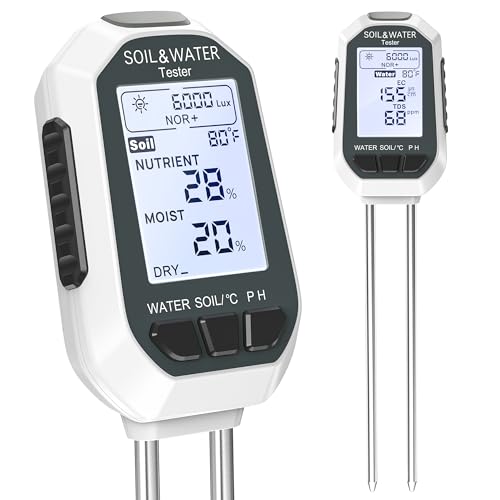
【7-in-1 Features】This is a 7-in-1 multi-function soil tester. Our soil tester quickly measures soil moisture, pH, temperature and light intensity, and its fertility function helps you take better care of your plants. With this device you can measure the soil moisture, pH, temperature and light intensity for your plants and with the EC and TDS functions you will know when it is time to water the soil.
Average Timeframe for First Fruits
Most tangerine varieties start bearing fruit in their third year. Some fast-growing varieties, like the “Dancy” tangerine, can produce fruit within two years. Others, like “Satsuma,” might take closer to four or five years. Ensuring proper care during this time promotes healthy growth and fruiting.
Environmental Conditions
Weather and climate play crucial roles in fruit production. Tangerine trees thrive in warm climates, ideally with temperatures ranging from 50°F to 100°F. They need full sunlight for at least six hours daily. Additionally, well-drained soil with a pH between 6.0 and 7.5 fosters healthy roots and better fruit yield. Regular watering during dry spells and avoiding waterlogging enhances growth, impacting how soon your tree produces fruit.
Caring for Tangerine Trees to Maximize Fruit Production
Caring for tangerine trees is essential for maximizing fruit production. Consistent attention to specific needs helps ensure a bountiful harvest.
Recommended Products

🍋 EXPLOSIVE HARVEST: GardenWise ignites a remarkable yield boost. Its scientific blend, featuring 6% nitrogen for growth, 4% phosphorus for flowering, and 6% potassium for fruit quality, culminates in an abundance of flavorful, aromatic fruits. This is more than growth; it's a nutrient-powered revolution in your citrus yield.

Let our professionally formulated plant food help your fruit tree grow healthy, strong AND abundantly producing

Let our professionally formulated plant food help your fruit tree grow healthy, strong AND abundantly producing
Proper Watering Techniques
Water your tangerine tree deeply and regularly during growing seasons. Ensure the soil remains moist but not waterlogged.
- Assess soil moisture by checking the top inch. If it’s dry, it’s time to water.
- Water at the base of the tree to direct moisture to the root zone.
- Apply mulch around the tree’s base to retain moisture and regulate soil temperature.
During dry spells, trees may require more frequent watering. Young trees typically need more water than mature ones as they establish.
Nutrient Requirements
Providing the right nutrients fosters healthy growth and fruit production.
- Use a balanced fertilizer with equal parts nitrogen, phosphorus, and potassium during the growing season.
- Feed your tree three times a year: in early spring, mid-summer, and early fall.
- Consider organic options like compost or well-rotted manure.
Monitor symptoms of nutrient deficiencies, such as yellowing leaves, which indicate a need for more nitrogen. Regular soil tests can help determine specific nutrient needs.
Common Challenges in Tangerine Fruit Production
Growing a tangerine tree involves unique challenges that can impact fruit production. Addressing these challenges proactively supports healthier trees and better yields.
Recommended Products

INSECT KILLER - This pest control is great for use on aphids, leaf miners, thrips, leafhoppers, spider mites, scales, whiteflies, mealy bugs and many more. It gives poor control for caterpillar & worms. However, it does control eggs of all insects.

READY-TO-USE CONTACT SPRAY: No mixing required. Thoroughly spray insecticide on all plant parts, including the underside of leaves. Pests must be sprayed directly to achieve control
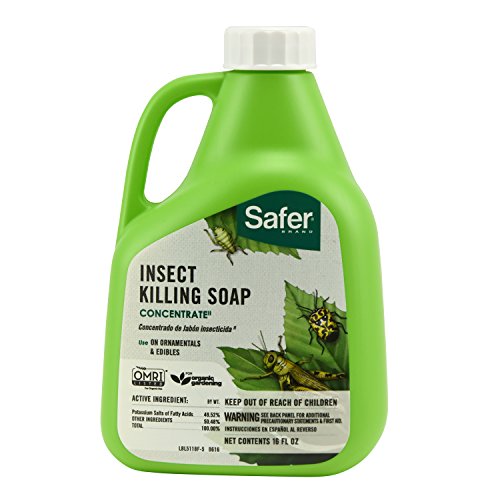
GENTLE ON MOST PLANTS - This aphid spray is ideal for use on flowers, herbs, vegetables, houseplants, lawn, tree, shrubs, and more
Pests and Diseases
Pests and diseases pose significant threats to tangerine trees. Common pests include aphids, spider mites, and whiteflies. These insects suck sap from the leaves, weakening the tree and reducing fruit production. To manage infestations, monitor your tree regularly for signs of pests. If detected, apply insecticidal soap or horticultural oil to eliminate them.
Diseases such as citrus greening and root rot also affect tangerine trees. Citrus greening leads to yellowing leaves and misshapen fruit. To prevent this, maintain proper tree spacing for air circulation and avoid waterlogged soil. Root rot, caused by overwatering, can kill the tree. Ensure you water only when the topsoil dries out and use well-draining soil.
Climate Issues
Climate conditions heavily influence tangerine production. Tangerine trees flourish in warm, sunny climates. Temperatures between 55°F and 85°F are ideal. Prolonged exposure to frost can damage buds and fruit. If you live in a cooler region, consider planting your tree in a container. This allows you to move it indoors during cold snaps.
Excessive rainfall can lead to waterlogged soil, fostering diseases like root rot. During heavy rain, monitor your tree’s drainage. Raised beds or mounded soil can improve drainage. Conversely, insufficient sunlight inhibits fruit development. Ensure your tree gets at least six hours of direct sunlight daily for optimal growth and fruiting.
Conclusion
Growing a tangerine tree is a journey filled with patience and care. As you nurture your tree through its various stages you’ll find that the wait for those sweet fruits is well worth it.
Remember to keep an eye on environmental conditions and provide the right care to support healthy growth. With the right attention your tangerine tree will reward you with delicious fruit in just a few years.
Enjoy the process and look forward to the day when you can savor the taste of your homegrown tangerines. Happy gardening!
Frequently Asked Questions
How long does it take for a tangerine tree to bear fruit?
Tangerine trees typically start producing fruit within two to five years after planting. Many varieties, like the “Dancy,” can yield fruit in as little as two years, while others, such as “Satsuma,” may take four to five years to bear fruit.
What factors influence tangerine fruit production?
Several factors affect tangerine fruit production, including tree variety, climate, soil quality, and care practices like watering and fertilization. Ensuring optimal conditions will enhance fruit yield.
How should I water my tangerine tree?
Water tangerine trees deeply and regularly during the growing season, ensuring the soil remains moist but not waterlogged. Check moisture levels and water at the base of the tree, using mulch to retain moisture.
What are common pests that affect tangerine trees?
Common pests include aphids and spider mites. Regular monitoring and using insecticidal soap can help manage these pests and protect your tangerine tree’s health.
What diseases should I be aware of with tangerine trees?
Citrus greening and root rot are two significant diseases. Preventive measures include proper tree spacing for airflow and ensuring adequate drainage to avoid root rot.
What climate is best for growing tangerine trees?
Tangerine trees thrive in warm climates with temperatures between 55°F and 85°F. Ensure they receive full sunlight and have well-drained soil for optimal growth.
How can I improve soil quality for my tangerine tree?
To enhance soil quality, consider using balanced fertilizers and organic options. Regular soil tests can help identify nutrient deficiencies and guide your fertilization efforts.
