

Have you ever wondered which fruit trees thrive in Nova Scotia’s unique climate? If you’re dreaming of a backyard filled with fresh apples or juicy peaches, you’re not alone. Many gardeners face the challenge of choosing the right trees that can withstand the region’s cool temperatures and varying weather.
Key Takeaways
- Diverse Fruit Trees: Apple, pear, cherry, plum, and certain peach trees are the most suitable for Nova Scotia’s climate, offering a variety of flavors and uses.
- Climate Considerations: Understanding Nova Scotia’s cool temperatures and hardiness zones (4 and 5) is crucial for selecting resilient fruit tree varieties.
- Soil and Sunlight: Fruit trees prefer well-drained, nutrient-rich soil and at least six hours of sunlight daily to thrive and produce healthy fruit.
- Pest Management: Regular monitoring for pests and diseases, alongside organic treatments, is essential for maintaining the health of fruit trees.
- Pruning Practices: Proper pruning in late winter or early spring promotes healthy growth, improves air circulation, and enhances fruit quality.
- Local Resources: Utilize local nurseries and agricultural extension services for advice tailored to the specific growing conditions in Nova Scotia.
Overview of Fruit Trees in Nova Scotia
Growing fruit trees in Nova Scotia offers a rewarding experience, especially with the right selections for the region’s climate. This area features cool temperatures and considerable weather variability, which influences your choices.
Common Fruit Trees
- Apple Trees
Apple trees thrive in Nova Scotia’s climate. Varieties like Honeycrisp, McIntosh, and Cortland provide delicious fruits and perform well in local soil. - Pear Trees
Pear trees, particularly the Bartlett and Bosc varieties, flourish in this region. They adapt well to cooler climates and produce sweet, juicy fruit. - Cherry Trees
Sweet and sour cherry trees, such as Bing and Montmorency, fit well in Nova Scotia. They prefer well-drained soil and full sunlight for optimal growth. - Plum Trees
European plum trees, like Damson and Italian, perform well in Nova Scotia. They offer beautiful blossoms in spring and tasty fruit later in the season. - Peach Trees
Certain peach varieties, such as Reliance and Redhaven, can thrive in Nova Scotia. They require proper care and protection from harsh winter temperatures.
Considerations for Growth
- Hardiness Zones: Familiarize yourself with hardiness zones in Nova Scotia. Most fruit trees grow well in zones 5 and 6.
- Sunlight: Ensure your trees receive at least six hours of sunlight each day. Sun exposure enhances fruit production and tree health.
- Soil Quality: Choose well-drained, nutrient-rich soil. Amending soil with organic matter before planting can support healthier growth.
- Watering: Young trees need regular watering, especially during dry spells. Once established, many trees require less frequent watering.
- Pest Management: Be proactive about pests and diseases. Regular monitoring and organic treatments can help protect your trees.
- Local Nurseries: Visit local nurseries for region-specific advice and high-quality plants.
- Extension Services: Utilize services from agricultural extension programs for expert guidance on local growing conditions.
- Gardening Groups: Join local gardening groups to share experiences and gather tips from fellow fruit tree growers.
Popular Fruit Trees
Nova Scotia’s climate supports a variety of fruit trees. Here are some popular options for your backyard.
Recommended Products

4 kinds of the most popular fruits, individually packaged, 50pcs Lemon seeds 50pcs Cherry seeds 50pcs Orange seeds 50pcs Apple seeds Fresh seeds, all fruit seeds are packed in tear and moisture resistant zipper sealed bags for your long term storage.
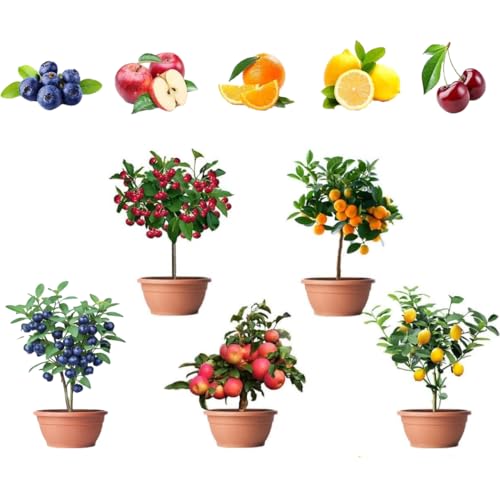
Variety Pack of 5 Fruits: Includes 40 Lemon seeds, 40 Orange seeds, 40 Apple seeds, 20 Cherry seeds, and 20 Blueberry seeds for a colorful and diverse home garden

4 FRUIT VARIETIES – 100 SEEDS TOTAL: Includes 30 Apple Seeds, 30 Lemon Seeds, 30 Cherry Seeds, and 10 Banana Seeds, individually separated by variety for an exciting fruit-growing collection.
Apple Trees
Apple trees thrive in Nova Scotia. Hardy varieties include Honeycrisp and McIntosh. Honeycrisp is known for its crisp texture and balanced sweetness, making it excellent for snacking and cooking. McIntosh offers juicy, tender flesh with a tart flavor, perfect for making cider or applesauce. Plant your trees in well-drained soil with full sun for optimal growth. Water them regularly, especially during dry spells, and watch out for pests like apple maggots.
Pear Trees
Pear trees also grow well in the region. Bartlett and Bosc are popular varieties. Bartlett pears are sweet, with smooth skin that’s perfect for eating fresh or canning. Bosc pears feature a firm, crisp texture and a slightly spicy flavor, ideal for baking. Ensure your pear trees receive at least six hours of sunlight daily and plant them in fertile, well-drained soil. Prune them in late winter or early spring to maintain their shape and encourage healthy fruit production.
Cherry Trees
Cherry trees add beauty and delicious fruit to your garden. Bing and Montmorency are common choices. Bing cherries are sweet and great for eating fresh, while Montmorency cherries are tart, perfect for pies and preserves. These trees prefer well-drained soil and full sun. Regular watering during dry spells keeps them healthy. Protect your trees from birds by covering them with netting during the harvest season.
Less Common Fruit Trees
In addition to popular varieties, you can explore less common fruit trees that thrive in Nova Scotia’s climate. These unique options can diversify your garden and provide new flavors.
Recommended Products

FRESH SEEDS: 5 Seeds of fruit bearing Apricot Tree to grow. Tree Size & Growth Habit: Apricot trees typically reach 15–20 feet tall and wide at maturity with a rounded...
Plum Trees
Plum trees, including the Damson and Italian varieties, grow well in Nova Scotia. Damson plums are known for their tartness, making them ideal for jams and preserves. Italian plums are sweet and perfect for fresh eating and baking.
For successful growth, choose a location with full sun and well-drained soil. Pruning in late winter helps improve air circulation and fruit quality. Protect young trees from harsh winter winds and consider planting a pollinator variety for better yields.
Apricot Trees
Apricot trees, such as the Moorpark variety, adapt to Nova Scotia’s conditions. Known for their buttery flavor, Moorpark apricots are delicious fresh or in desserts.
Plant these trees in a sunny spot with fertile, well-drained soil. Water regularly during dry spells, especially when the trees are young. Expect to wait 2 to 4 years before harvesting your first fruit. Regular pruning helps maintain tree shape and encourages fruit production.
With these less common fruit tree options, your garden can flourish with a diverse array of flavors and textures.
Choosing the Right Fruit Trees
Selecting the right fruit trees for your Nova Scotia garden involves understanding your local climate and soil conditions. Knowing these factors helps ensure a successful harvest.
Recommended Products

Produces sweet, juicy mulberries

Not available in CA

Suitable for USDA growing zones 8–11
Climate Considerations
Nova Scotia experiences cool temperatures and variable weather. You’ll want to choose fruit trees suited for USDA hardiness zones 4 and 5. Look for trees that can withstand cold winters and benefit from warm summers. For example, apple trees like Honeycrisp thrive well in these conditions, while certain peach varieties, such as Reliance, offer good cold hardiness. Monitoring frost dates and protecting young trees from late spring frosts can improve their chances of survival.
Soil Requirements
Fruit trees perform best in well-drained soil. Test your soil’s pH; a range of 6.0 to 6.8 is ideal for most trees. If your soil is clay-heavy, consider amending it with organic matter or planting in raised beds to improve drainage. For apples and pears, loamy soils are preferred. Ensure your chosen trees are planted in an area receiving at least six hours of sunlight daily to support healthy growth. Regular mulching can help retain moisture while keeping roots cool during summer heat.
Tips for Growing Fruit Trees in Nova Scotia
Growing fruit trees in Nova Scotia requires attention to specific techniques for optimal results. Follow these essential tips to enhance your success.
Pest Management
Monitor your trees regularly for pests like aphids and spider mites. Use insecticidal soap or neem oil to control these pests effectively. Encourage beneficial insects, such as ladybugs, to assist in keeping populations in check. Create physical barriers like row covers to protect young trees from larger pests. Regularly check for signs of disease and remove infected branches promptly. Ensure you maintain good sanitation practices by clearing fallen fruit and debris around the trees.
Pruning Techniques
Prune your fruit trees to promote healthy growth and improve fruit quality. Begin with a late winter or early spring pruning, before new growth starts. Focus on removing dead or diseased wood. Thin out crowded branches to enhance sunlight penetration. Ensure you make clean cuts at a slight angle to promote healing. Aim for an open center shape to improve air circulation. Remember to always disinfect your pruning tools between cuts to prevent disease spread. Regular pruning enhances fruit production by allowing better access to nutrients and sunlight.
Conclusion
Growing fruit trees in Nova Scotia can be a rewarding experience. With the right choices and care you can enjoy a bountiful harvest of delicious fruits. Whether you opt for classic apples and pears or venture into the world of plums and apricots your garden will flourish with flavor.
Remember to consider your local climate and soil conditions as you select your trees. By providing adequate sunlight regular watering and proper pest management you’ll set yourself up for success. So grab your gardening gloves and get ready to cultivate your very own fruit-filled paradise in Nova Scotia. Happy gardening!
Frequently Asked Questions
What are the best fruit trees to grow in Nova Scotia?
Some of the best fruit trees for Nova Scotia include apple varieties like Honeycrisp and McIntosh, pear trees such as Bartlett and Bosc, cherry trees like Bing and Montmorency, and plum varieties including Damson and Italian. Additionally, certain peach varieties like Reliance and Redhaven can thrive in this region.
How do I choose the right fruit trees for my garden?
When choosing fruit trees, consider the USDA hardiness zones (4 and 5 for Nova Scotia), local climate, soil conditions, and the amount of sunlight available. It’s essential to select varieties that are known to grow well in your specific area.
What kind of soil do fruit trees need in Nova Scotia?
Fruit trees in Nova Scotia require well-drained soil with a pH between 6.0 and 6.8. Amending clay-heavy soils with organic matter or using raised beds can help improve drainage and promote healthy growth.
How much sunlight do fruit trees need?
Fruit trees generally require at least six hours of direct sunlight each day for optimal growth and fruit production. Planting in a sunny location is crucial for their health and productivity.
How can I manage pests on my fruit trees?
Regularly monitor your fruit trees for pests like aphids and spider mites. Use insecticidal soap or neem oil to manage infestations, and encourage beneficial insects like ladybugs to help control pest populations naturally.
When should I prune my fruit trees in Nova Scotia?
Pruning should ideally be done in late winter or early spring before new growth begins. This helps remove dead or diseased wood and promotes better air circulation and sunlight access for improved fruit production.
Is it important to protect young trees from frost?
Yes, protecting young trees from late spring frosts is essential for their survival. Monitor local frost dates and use frost blankets or covers on chilly nights to shield the trees from damage.
