

Have you ever wondered how long it takes for an apple tree to bear fruit? If you’re dreaming of homegrown apples, you’re not alone. Many people envision the joy of picking fresh fruit right from their backyard, but the timeline can be a bit tricky.
Key Takeaways
- Apple trees typically take 3 to 5 years to start bearing fruit, but this timeline can vary based on tree variety and growing conditions.
- Dwarf varieties may produce fruit as early as 2 to 3 years, while standard varieties can take 5 to 7 years.
- Growing conditions such as full sunlight, well-draining soil, and proper watering are crucial for promoting healthy growth and fruit production.
- Cross-pollination from different apple varieties significantly enhances fruit yield, so planting compatible varieties nearby is beneficial.
- Care practices like pruning, balanced fertilization, and consistent watering are key to maintaining tree health and optimizing fruit production.
- Patience is essential; young apple trees prioritize establishing a strong structure before they begin to bear substantial fruit.
Understanding Apple Tree Growth
Apple trees typically take 3 to 5 years to start producing fruit after planting. The growth timeline varies based on several factors, including the tree variety, rootstock, and growing conditions.
Factors Affecting Growth
- Tree Variety
Different apple tree varieties bear fruit at different rates. For example, dwarf varieties may produce fruit in as little as 2 to 3 years, while standard varieties may take 5 to 7 years. - Rootstock
The rootstock determines the tree’s size and vigor. Dwarf rootstocks yield quicker fruit production than standard rootstocks due to their smaller size and improved energy allocation. - Growing Conditions
Optimal conditions accelerate growth. Ensure your apple tree receives full sun, well-draining soil, and adequate water. Avoid heavy clay soils that retain water; this can hinder growth.
Importance of Pollination
Pollination significantly impacts fruit production. Apple trees generally require cross-pollination from another apple variety for higher yields. Planting compatible varieties within proximity encourages proper pollination.
Maintenance Practices
- Watering
Water your apple tree deeply but infrequently during dry spells. This encourages deeper root growth and promotes overall health. - Fertilization
Use a balanced fertilizer during the growing season. Apply based on soil test results to avoid over-fertilization. - Pruning
Prune to shape the tree and remove dead or diseased branches. This practice enhances air circulation and sunlight penetration, supporting healthier growth and better fruit yield.
Patience and Expectations
Growing apple trees requires patience. Early years focus on establishing a strong framework rather than fruit production. Once fruiting begins, expect variations in yields based on tree age and health.
By understanding these growth aspects, you can better prepare for the joys of harvesting your own apples in the future.
Factors Influencing Fruit Production
Several key factors influence when apple trees produce fruit. Understanding these elements helps you optimize growth and yield.
Recommended Products

🌳 3-Pack Fruit Tree Bundle Includes live apple, blueberry, blackberry trees—perfectly paired for a diverse and productive backyard orchard.


4 FRUIT VARIETIES – 100 SEEDS TOTAL: Includes 30 Apple Seeds, 30 Lemon Seeds, 30 Cherry Seeds, and 10 Banana Seeds, individually separated by variety for an exciting fruit-growing collection.
Tree Variety
Different apple tree varieties affect fruit production timelines. Dwarf varieties, such as ‘Honeycrisp’ or ‘Gala,’ can bear fruit in just 2 to 3 years. Semi-dwarf varieties may take 3 to 5 years to yield, while standard varieties, like ‘Fuji’ or ‘Granny Smith,’ often take 5 to 7 years. Choosing a variety that aligns with your timeline expectations can set you up for success.
Environmental Conditions
Environmental factors play a crucial role in apple tree growth. Full sunlight, ideally at least 6 to 8 hours a day, promotes healthy development and fruiting. Soil quality also matters; well-draining, nutrient-rich soil supports robust growth. Regular watering, especially during dry spells, helps maintain moisture balance. Monitor temperatures as apple trees thrive in moderate climates. Extreme cold or heat can hinder fruit production, so ensure your trees are suited to your local conditions.
Typical Timeframe for Apple Trees
Apple trees typically take 3 to 5 years to start bearing fruit after planting. Various factors influence this timeframe, including tree variety, rootstock, and growing conditions. Understanding these elements helps set realistic expectations for your apple-growing journey.
Recommended Products

Product Quantity: 180+ premium bonsai fruit seeds across 5 varieties; Individual packs contain 40+ apple, 40+ lemon, 40+ orange, 20+ blueberry, and 40+ cherry seeds; Perfect for starting a diverse miniature orchard

Live Fruit-Bearing Apple Tree – Grow your own Pink Lady apples, a premium variety known for its crisp texture, tart-sweet flavor, and beautiful rosy-pink skin, perfect for fresh eating, baking, and cider-making
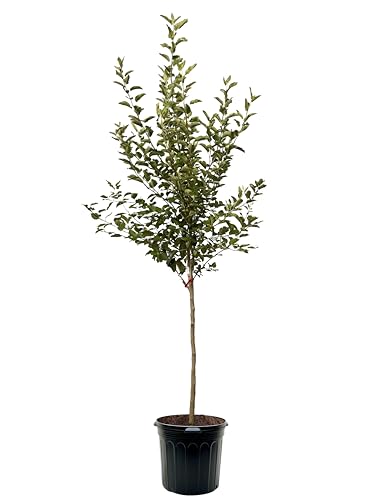
Live Fruit-Bearing Apple Tree – Grow your own crisp, tart Granny Smith apples right at home. This self-pollinating, high-yield apple tree produces firm, green apples perfect for fresh eating, baking, and cider-making
Young Trees: Initial Growth Stage
Young apple trees focus on establishing strong roots and a sturdy trunk during their initial growth stage. In this phase, expect minimal fruit production.
- Timeframe: Dwarf varieties, like ‘Honeycrisp’ and ‘Gala,’ may begin producing fruit in 2 to 3 years.
- Factors Influencing Growth: Proper watering, balanced fertilization, and adequate sunlight support healthy growth. Aim for at least 6 to 8 hours of full sun daily.
- Maintenance Tips: Regularly check soil moisture and prune to encourage a robust structure.
Maturity and Fruit Bearing
As apple trees mature, they enter the fruit-bearing stage, significantly increasing yield. Here’s what to know:
- Timeframe: Standard varieties may take 5 to 7 years to bear substantial fruit.
- Pollination Needs: Cross-pollination often enhances yields. Planting multiple apple tree varieties nearby can ensure better fruit production.
- Optimal Conditions: Well-draining, nutrient-rich soil and consistent care help maximize output. Monitor for pests and diseases that may hinder growth.
A blend of tree selection, environmental factors, and maintenance practices dictates how quickly you can enjoy homegrown apples. Patience pays off as young trees transition to fruitful maturity.
Best Practices for Growing Apple Trees
Recommended Products
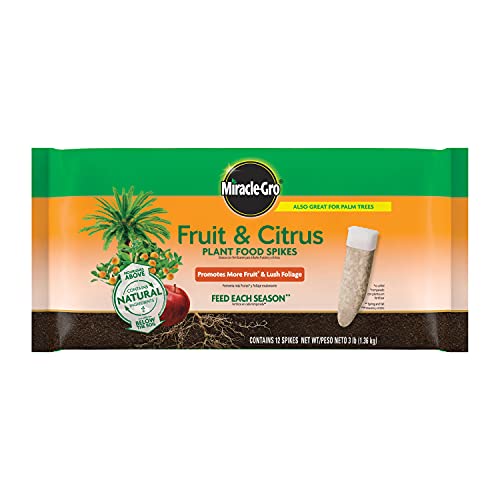
FORMULATED FOR CITRUS AND FRUIT TREES: Use these citrus fertilizer spikes on apple, orange, lemon, lime, and avocado trees; this formula is also great for feeding palm trees

Let our professionally formulated plant food help your fruit tree grow healthy, strong AND abundantly producing

Down to Earth Fruit Tree is a five pound box of all natural fertilizer with 6-2-4 formula and is listed by the Organic Materials Review Institute (OMRI) for use in organic production
Selecting the Right Variety
Choose apple tree varieties suited to your climate and space. Dwarf varieties like ‘Honeycrisp’ or ‘Gala’ thrive in smaller areas, while standard varieties require more room. Research local growing conditions to find the best fit.
Preparing the Soil
Ensure soil drains well and is rich in nutrients. Conduct a soil test to determine pH levels; apple trees prefer a range of 6.0 to 7.0. Amend the soil with organic matter, such as compost, to enhance fertility and drainage.
Watering Techniques
Water young apple trees deeply and regularly during the first few years. Aim for 1 to 2 inches of water weekly, either from rainfall or irrigation. Once established, trees typically need less frequent watering; adjust based on weather and soil moisture.
Fertilizing Appropriately
Apply balanced fertilizer in the spring as new growth begins. Use a product designed for fruit trees, following package instructions. Avoid over-fertilizing; signs of excessive nutrients include overly lush foliage and minimal fruit.
Pruning for Healthy Growth
Prune apple trees in late winter or early spring before new growth starts. Focus on removing dead or diseased branches and controlling tree shape. Proper pruning enhances air circulation and sunlight penetration, leading to better fruit production.
Promoting Pollination
Plant at least two different apple tree varieties within proximity to facilitate cross-pollination. This practice improves fruit set and yields. Consider local pollinators, such as bees, to enhance fertilization rates.
Pest and Disease Management
Monitor trees regularly for any signs of pests or diseases. Common pests include aphids and apple maggots. Implement organic pest control methods, such as insecticidal soap or neem oil, to protect your trees without chemical residues.
Harvesting Tips
Harvest apples when they reach full size and exhibit their characteristic color. Gently twist or lift the fruit; ripe apples come off with ease. Always handle fruit carefully to prevent bruising.
Conclusion
Growing apple trees is a rewarding journey that requires patience and care. While it might take a few years before you see those delicious fruits, the effort is well worth it. By choosing the right variety and providing your trees with the proper conditions, you’ll set yourself up for a bountiful harvest.
Remember to nurture your trees through their early stages and enjoy the process. Before you know it, you’ll be picking fresh apples right from your backyard. So keep tending to your trees and look forward to the sweet rewards of your hard work. Happy gardening!
Frequently Asked Questions
How long does it take for apple trees to bear fruit?
Apple trees typically take 3 to 5 years to start bearing fruit after planting. However, this timeline varies by tree variety and growing conditions. Dwarf varieties like ‘Honeycrisp’ can produce fruit in as little as 2 to 3 years, while standard apple trees may take 5 to 7 years.
What factors influence apple tree fruit production?
Factors influencing fruit production include tree variety, rootstock, soil quality, and care practices. Dwarf rootstocks generally yield faster fruiting. Additionally, cross-pollination, adequate sunlight (6 to 8 hours daily), and consistent maintenance, such as watering and pruning, play vital roles in enhancing yield.
What maintenance is needed for young apple trees?
Young apple trees require proper watering, balanced fertilization, and ample sunlight to thrive. It’s essential to monitor soil moisture and promote strong roots while pruning as needed to develop a sturdy structure. Regular checks for pests and diseases also ensure healthy growth.
How important is cross-pollination for apple trees?
Cross-pollination is crucial for apple trees, as it enhances fruit production and overall yield. Planting multiple apple varieties nearby improves pollination chances, leading to healthier fruit development and better harvests.
What are the best practices for growing apple trees?
Best practices include selecting the right apple variety for your climate, preparing nutrient-rich and well-draining soil, and watering effectively. Additionally, fertilize in spring, prune to maintain structure, encourage cross-pollination, and monitor for pests and diseases regularly.
