

Have you ever spotted a tree with small green fruit and wondered what it is? You’re not alone. Many people come across these intriguing trees in parks or backyards and find themselves curious about their identity and uses.
Key Takeaways
- Varieties of Small Green Fruit Trees: Popular trees include Crabapple, Fig, Persimmon, and Jujube, each yielding distinct flavors and uses.
- Optimal Growing Conditions: Most small green fruit trees thrive in full sunlight, well-draining soil, and require consistent watering.
- Maintenance is Key: Regular practices such as annual pruning, early spring fertilization, and pest control enhance fruit quality and tree health.
- Harvesting Tips: Monitor color change and test for firmness to determine ripeness, using appropriate tools to avoid damaging the fruit or the tree.
- Culinary Versatility: Small green fruits can be used in various dishes, from salads to desserts, and can also be preserved as jams or pickles.
- Nutritional Benefits: Rich in vitamins and minerals, these fruits support health through antioxidants, dietary fiber, and essential nutrients essential for overall well-being.
Overview of Small Green Fruit Trees
Small green fruit trees offer unique harvests and add beauty to landscapes. These trees feature various fruits, ranging from tart to sweet, and thrive in diverse climates.
Common Types of Small Green Fruit Trees
- Crabapple (Malus spp.): Produces small green apples that add color in spring. Edible when fully ripe.
- Fig (Ficus carica): Some varieties spawn small green figs. Figs ripen in summer and serve well in desserts.
- Persimmon (Diospyros spp.): Small green persimmons are tart and firm. They turn yellow or orange when ripe.
- Jujube (Ziziphus jujuba): Yields small green fruits resembling dates. Useful in snacks, desserts, or dried for storage.
Growing Conditions for Small Green Fruit Trees
Select the right location for optimal growth. Look for these conditions:
- Sunlight: Most small green fruit trees prefer full sun, needing at least 6 hours daily.
- Soil: Well-draining soil promotes healthy roots. Sandy or loamy soils facilitate growth.
- Watering: Consistent moisture supports fruit production. Water trees during dry spells to prevent stress.
Maintenance Practices
Regular maintenance ensures healthy trees and fruitful harvests.
- Pruning: Trim branches annually to improve air circulation and fruit quality.
- Fertilizing: Use balanced fertilizers in early spring to boost growth.
- Pest Control: Monitor trees for pests like aphids or mealybugs. Use organic remedies or insecticidal soap when necessary.
Harvesting Small Green Fruits
Harvest timing greatly influences the flavor of fruits. Consider these tips:
- Look for color change: Most fruits indicate ripeness through color. Depending on the variety, slightly yellow or changing shades signal readiness.
- Test for firmness: Press gently on the fruit. Ripe fruits give a little under pressure.
- Use the right tools: Employ pruning shears for fruits that are hard to reach. This prevents damage to both fruit and tree.
Uses for Small Green Fruits
Small green fruits find several culinary uses.
- Salads: Incorporate crabapples for an acidic crunch in mixed greens.
- Desserts: Bake figs into pastries or serve fresh with cheese.
- Jams and Jellies: Preserve jujubes by simmering them down with sugar. Enjoy delicious spreads on bread or biscuits.
Exploring small green fruit trees offers not only aesthetic benefits but also delightful culinary options. Choose the right tree, follow maintenance practices, and enjoy the unique flavors they provide.
Common Trees Producing Small Green Fruits
Several trees produce small green fruits, each offering unique benefits and characteristics. Here are some common varieties.
Recommended Products

Introducing ‘Haihong Guo’ - The Unique Chinese Crabapple: Grow your own Haihong Guo Crabapple tree from these authentic seeds. This prized variety of Flowering Crabapple (Malus micromalus) is celebrated not just for its beauty, but for its exceptionally nutritious and versatile fruits.
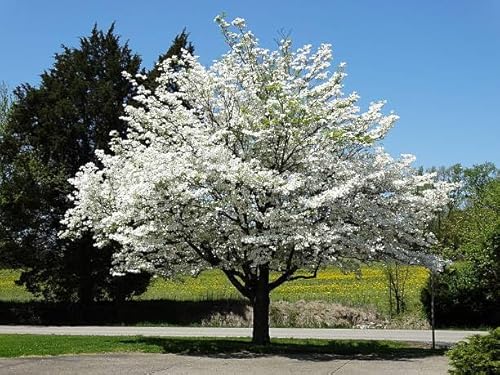
Ornamental Beauty in Spring and Fall: Grow your own stunning Crabapple tree from these Crabapple Tree Seeds. Enjoy a spectacular display of fragrant white blooms in spring, followed by attractive miniature Crabapple Fruits in the autumn that persist into winter, providing year-round visual interest.

Rectangular Pendant, approximately 1 inch by 1 inch, 0.5 ounces
Tree Varieties
- Crabapple: Known for its small, tart apples, crabapple trees add beauty to any landscape.
- Fig: Some fig varieties produce small green fruits that offer a mild sweetness when ripe.
- Persimmon: Certain persimmons bear small green fruits, which can change color as they ripen.
- Jujube: This tree produces small, olive-shaped fruits, which have a sweet, chewy texture.
- Crabapple: Grows well in USDA zones 3-8, prefers full sun, and thrives in well-drained soil. The small fruits are typically ready for harvest in late summer.
- Fig: This tree flourishes in warmer climates, often in zones 7-10. Figs require plenty of sunlight and regular watering for optimal fruit production.
- Persimmon: With a height reaching up to 60 feet, persimmon trees grow best in zones 4-9. They adapt well to various soil types, but well-drained soil is crucial.
- Jujube: These drought-resistant trees grow in zones 5-10 and prefer sandy, well-drained soil. The small green fruits are typically harvested in late summer to early fall.
Each of these trees can enhance your garden while providing small green fruits with various culinary uses and aesthetic appeal.
Nutritional Benefits of Small Green Fruits
Small green fruits offer a variety of nutritional benefits. Packed with essential vitamins and minerals, these fruits contribute to a balanced diet and support overall health.
Recommended Products

Naked Juice Green Machine is the iconic smoothie made with real fruit and veggies – partially from concentrate – including apple juice concentrate, pineapple juice plus mango, banana and kiwi puree

This powerful blend thoughtfully combines our alkalizing farm fresh greens and wholesome fruits and vegetables plus antioxidant superfoods and key vitamins to help you feel amazing every day

VISIBLY FADES DARK SPOTS FOR BRIGHTER SKIN IN 7 days – Clinically proven to visibly reduce the appearance of dark spots, post-acne marks, and uneven skin tone in just 7 days. Reveal brighter, more even complexion with a healthy-looking glow.
Vitamins and Minerals
Small green fruits contain numerous vitamins. Vitamin C boosts your immune system and promotes skin health. For instance, persimmons are rich in vitamin C, providing about 12% of your daily intake in one fruit. B vitamins, such as folate and vitamin K, support energy levels and blood clotting functions. Minerals like potassium and magnesium contribute to cardiovascular health and muscle function. Crabapples, while tart, contain potassium, helping you maintain healthy blood pressure levels.
Health Benefits
Incorporating small green fruits into your diet may enhance your well-being. Antioxidants found in many of these fruits help combat oxidative stress. For example, figs contain antioxidants that protect your cells from damage. The fiber content in fruits like jujubes supports digestive health and helps regulate blood sugar levels. Adding these fruits to your meals can promote a feeling of fullness, aiding in weight management. Consuming a variety of small green fruits provides a diverse range of nutrients, essential for maintaining good health.
Uses of Small Green Fruits
Small green fruits provide various culinary and medicinal benefits. Exploring their uses can enhance your meals and contribute to your well-being.
Recommended Products

ONLY ONE INGREDIENT: Mrs. Wages Vinegar is just vinegar, versatile for canning, cooking and more.
The information below is per-pack only

Culinary Uses
Small green fruits add flavor and texture to many dishes. Use them in salads for a burst of freshness. Combine crabapples with greens for a tangy twist. Cook figs in desserts like tarts or jams for natural sweetness. Experiment with persimmons in salsas to complement spicy foods. Incorporate jujubes into smoothies for a unique flavor.
Preserving these fruits is also an option. Make pickles from crabapples to spice up sandwiches and charcuterie boards. Create fig preserves for a delightful breakfast spread. Jujube syrup can serve as a natural sweetener in drinks or drizzled over pancakes.
Medicinal Uses
Small green fruits offer numerous health benefits. Crabapples contain antioxidants, which help combat cell damage. Figs can promote digestive health due to their high fiber content. Persimmons support eye health, thanks to their vitamin A levels. Jujubes exhibit calming properties, making them useful for stress relief.
Consider using these fruits in herbal teas for additional benefits. Crabapple leaves can infuse a refreshing drink, while fig leaves may aid in digestion. You can enjoy jujube tea for its soothing effects. Including these fruits in your diet enriches both flavor and health.
Conclusion
Discovering trees that bear small green fruit can add a unique touch to your garden or landscape. Not only do they provide visual appeal but they also offer delicious and nutritious fruits that can elevate your culinary creations.
With the right care and attention you can enjoy a fruitful harvest while benefiting from their health properties. So whether you’re drawn to the tartness of crabapples or the sweetness of figs there’s a small green fruit tree waiting for you to explore. Embrace the joy of growing and savoring these delightful fruits in your own backyard.
Frequently Asked Questions
What are small green fruit trees?
Small green fruit trees are varieties that produce diminutive, often tart fruits. These trees, such as crabapple, fig, persimmon, and jujube, are common in parks and backyards, and they offer unique harvests as well as aesthetic value to landscapes.
What types of small green fruit trees are commonly found?
Common types include crabapple, which bears tart apples; fig, known for its sweet fruits; persimmon, appreciated for its size and adaptability; and jujube, which is drought-resistant and produces small, sweet fruit.
What are the ideal growing conditions for these trees?
Small green fruit trees thrive in well-draining soil with plenty of sunlight and consistent watering. Each type may have specific temperature tolerance (USDA zones), so it’s important to choose a variety suited to your climate.
How should I maintain small green fruit trees?
Regular maintenance includes pruning for shape and health, fertilizing during the growing season, and controlling pest issues. Proper care ensures robust growth and fruitful harvests.
How do I determine when to harvest small green fruits?
Harvest small green fruits when they change color and feel firm to the touch. Using the right tools, such as pruning shears, will help you gather the fruits without damaging the tree.
What are the culinary uses of small green fruits?
Small green fruits can be used in a variety of dishes. They’re great in salads, desserts, and preserves, like crabapple pickles or fig jams, bringing unique flavors and textures to your meals.
What health benefits do small green fruits offer?
These fruits are rich in vital nutrients like vitamin C and potassium, along with antioxidant properties. They can contribute to digestive health and may assist in weight management due to their fiber content.
Can small green fruits have medicinal properties?
Yes, small green fruits can offer medicinal benefits. For instance, crabapples are high in antioxidants, figs aid digestion, persimmons promote eye health, and jujubes can have calming effects, making them great for herbal teas.
