

Are you dreaming of a backyard filled with fresh fruit? Imagine stepping outside to pick juicy apples or sweet peaches right from your own trees. Tennessee’s climate offers a fantastic opportunity for growing a variety of fruit trees, but knowing which ones thrive can be a bit tricky.
Key Takeaways
- Ideal Climate for Fruit Trees: Tennessee’s humid subtropical climate supports a variety of fruit trees, thriving in USDA Hardiness Zones 6a to 8a with distinct seasonal changes.
- Popular Fruit Varieties: Consider planting popular fruit trees such as ‘Fuji’ and ‘Gala’ apples, ‘Elberta’ and ‘Georgia Belle’ peaches, and ‘Bartlett’ and ‘Kieffer’ pears for successful yields.
- Lesser-Known Options: Explore unique fruit trees like persimmons and figs, which also prosper in Tennessee, enriching your garden with diverse flavors and harvests.
- Soil and Water Management: Proper soil preparation and drainage are essential for healthy growth. Amend soil to maintain an ideal pH of 6.0 to 7.0 and ensure adequate watering during dry spells.
- Pest Control Strategies: Implement integrated pest management by regularly monitoring your trees, utilizing natural predators, and using organic pesticides to protect your fruit trees.
- Annual Pruning: Regularly prune your fruit trees for improved air circulation, shape, and enhanced fruit production, ensuring a fruitful and healthy orchard.
Understanding Tennessee’s Climate
Tennessee experiences a humid subtropical climate with four distinct seasons. Summers are hot and humid, averaging temperatures between 80°F and 90°F. Winters are mild, typically ranging from 30°F to 50°F. This climate creates an ideal environment for many fruit trees.
Temperature Ranges
- Spring (March to May): Expect temperatures from 50°F to 80°F. This season promotes growth as fruit trees emerge from dormancy.
- Summer (June to August): Temperatures can climb above 90°F. Ensure adequate water for trees to prevent stress.
- Fall (September to November): Cooling down to 40°F to 70°F. Trees prepare for winter, with many fruits ripening.
- Winter (December to February): Cold temperatures can drop to 20°F. Choose cold-hardy fruit varieties for this season.
Rainfall Patterns
Tennessee receives about 50 inches of rainfall annually. Most precipitation occurs in spring and summer. Adequate moisture supports growth, but good drainage is crucial to prevent root rot.
Hardiness Zones
Tennessee spans USDA Hardiness Zones 6a to 8a. This range influences the types of fruit trees you can plant. Research the specific zone for your area to choose suitable varieties.
- Apple Trees: Varieties such as ‘Fuji’ and ‘Gala’ thrive in the regions’ climate.
- Peach Trees: ‘Elberta’ and ‘Georgia Belle’ are popular choices that yield sweet fruit.
- Pawpaw Trees: Native to the region, these trees offer a unique tropical flavor in your yard.
- Blackberry and Raspberry Bushes: These brambles grow well and produce abundant fruit.
Understanding these climate factors will help you make informed decisions about which fruit trees to grow in your Tennessee garden. Tailoring your choices to the local environment enhances your chances of enjoying a fruitful harvest.
Popular Fruit Trees for Tennessee
Tennessee’s climate supports a variety of fruit trees. Consider the following popular options that thrive in your backyard.
Recommended Products

Light: Thrives in full sun for best fruit production.

Due to agricultural laws, we Cannot Ship to CA, AZ, AK, or HI - orders will be refunded if you ship to one of these states

Due to agricultural laws, we CANNOT SHIP TO CA, AZ, AK, or HI - orders will be cancelled if you ship to one of these states
Apple Trees
Apple trees grow well in Tennessee, particularly the ‘Fuji’ and ‘Gala’ varieties. These trees prefer well-drained soil and full sunlight. Space them at least 15 feet apart for optimal growth. Regular pruning enhances air circulation and encourages fruit production. Aim for harvest in late summer to early fall.
Peach Trees
Peach trees like ‘Elberta’ and ‘Georgia Belle’ flourish in Tennessee’s climate. Plant them in a sunny location with good drainage for best results. Maintain a distance of 15 to 20 feet between trees. Prune annually to remove dead branches and shape the canopy. Expect to enjoy ripe peaches in mid to late summer.
Pear Trees
Pear trees, such as ‘Bartlett’ and ‘Kieffer’, adapt well to the Tennessee environment. They thrive in loamy soil with adequate moisture. Like other fruit trees, plant them 15 to 20 feet apart. Annual pruning supports healthy growth and fruiting. You’ll harvest pears in late summer to early fall.
Lesser-Known Fruit Trees to Consider
Tennessee’s climate allows for the growth of several lesser-known fruit trees that can add variety to your garden. Exploring these options might lead to a fruitful and exciting harvest.
Persimmon Trees
Persimmon trees thrive in Tennessee, particularly the American variety. These trees are known for their beautiful fall foliage and their sweet, orange fruit. Persimmons require well-drained soil and full sunlight. They can grow up to 60 feet tall but maintain a manageable size with regular pruning. Planting multiple trees allows for better cross-pollination, enhancing fruit production. Expect to harvest ripe persimmons in late fall, typically after the first frost, ensuring their sweetness.
Fig Trees
Fig trees flourish in Tennessee’s warm climate, producing soft, sweet fruits enjoyed fresh or dried. The common fig, ‘Brown Turkey,’ and ‘Celeste’ are popular choices. These trees prefer slightly sandy soil enriched with organic matter. Situate your fig tree in a sunny spot, ensuring it receives at least six hours of sunlight daily. Regular watering during dry spells promotes healthy growth. Harvest figs in late summer or early fall when they feel soft to the touch, signaling ripeness.
Tips for Growing Fruit Trees in Tennessee
Growing fruit trees in Tennessee requires attention to several key factors for success. Focus on the following aspects to ensure healthy and productive trees.
Recommended Products
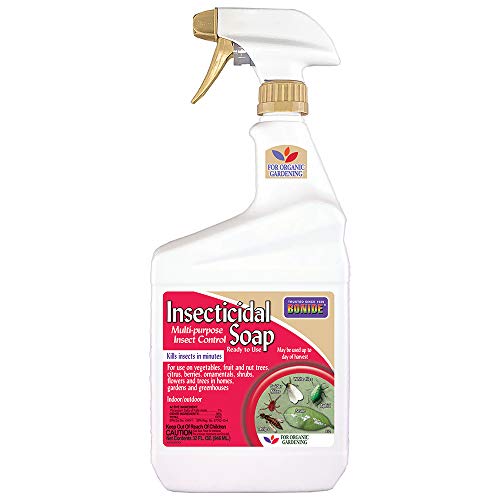
Captain Jack's Insecticidal Super Soap controls species of adelgid, ant, aphid, borer, caterpillar, spider mite, cricket, chinch bug, weevil, fly, thrip, and more

PEST DEFENSE - Insecticidal Super Soap controls species of adelgid, ant, aphid, borer, caterpillar, spider mite, cricket, chinch bug, weevil, fly, thrip, & more.
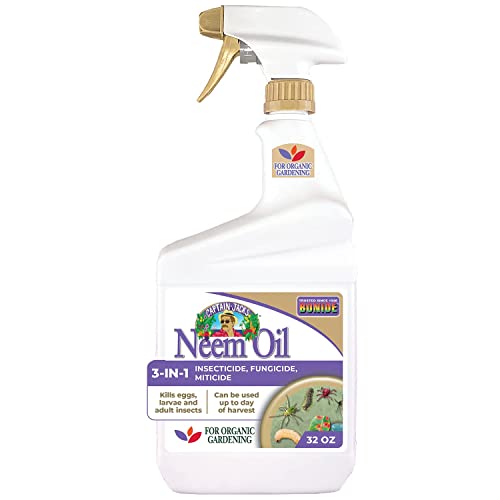
MULTI-PURPOSE BUG KILLER - Bonide Neem Oil is a perfect pest control solution for any garden dealing with mites, flies, mildew, and more. This product is a three-in-one fungicide, miticide, and insecticide.
Soil Preparation
Soil preparation plays a crucial role in the health of your fruit trees. Test your soil to determine pH levels, aiming for a range of 6.0 to 7.0, as most fruit trees thrive in this acidity. Amend the soil as needed with lime to raise pH or sulfur to lower it.
- Choose Well-Drained Locations: Select planting sites that receive plenty of sunlight and have good drainage to prevent root rot.
- Enrich Soil: Mix organic matter, like compost or well-rotted manure, to enhance soil fertility.
- Loosen the Soil: Break up compacted soil to improve root growth and moisture retention.
Pest Management
Pest management safeguards your fruit trees from damage and increases yields. Consider adopting an integrated approach for effective control.
- Monitor Regularly: Check your trees routinely for signs of pests or diseases. Early detection simplifies treatment.
- Natural Predators: Encourage beneficial insects like ladybugs and lacewings that feed on harmful pests.
- Organic Pesticides: Use organic pesticides when needed, following label instructions for safe application. Neem oil or insecticidal soaps can effectively manage pests with minimal environmental impact.
- Crop Rotation: Alternate planting locations yearly to disrupt pest life cycles and minimize infestations.
Applying these tips throughout the growing season helps maintain a vibrant and productive backyard orchard in Tennessee.
Conclusion
Growing fruit trees in Tennessee can be a rewarding experience that fills your backyard with delicious flavors and beautiful scenery. With the right choices and care you can enjoy the satisfaction of harvesting fresh fruit right at home.
Whether you opt for classic apples and peaches or explore unique varieties like persimmons and figs your garden can become a delightful haven. Remember to follow best practices for planting and maintenance to ensure your trees thrive.
So grab your gardening gloves and start planning your fruitful oasis. Your taste buds will thank you later!
Frequently Asked Questions
What fruit trees grow well in Tennessee?
Tennessee’s climate is suitable for a variety of fruit trees. Some popular options include apple trees like ‘Fuji’ and ‘Gala,’ peach trees such as ‘Elberta’ and ‘Georgia Belle,’ and pear trees like ‘Bartlett’ and ‘Kieffer.’ Additionally, native trees like the pawpaw, and berry bushes like blackberries and raspberries, also thrive here.
How should I space my fruit trees in Tennessee?
Fruit trees in Tennessee should generally be spaced at least 15 feet apart. This spacing allows for adequate sunlight exposure, good air circulation, and room for growth, which is essential for optimal fruit production.
What soil conditions are best for planting fruit trees?
Fruit trees prefer well-drained soil enriched with organic matter. For most types, a loamy soil pH of 6.0 to 7.0 is ideal. Ensuring proper drainage is crucial to prevent root rot and promote healthy growth.
How often should I water my fruit trees?
Watering frequency depends on the type of tree and weather conditions. Generally, fruit trees need regular watering, especially during dry spells. Ensure the soil remains moist but not soggy, with consistent watering during the growing season.
When is the best time to plant fruit trees in Tennessee?
The best time to plant fruit trees in Tennessee is during the early spring or late fall. Planting during these periods allows the trees to establish their roots before the heat of summer or the cold of winter.
What are some tips for maintaining fruit trees?
Key maintenance tips include regular pruning to promote growth and remove dead branches, monitoring for pests, and ensuring the soil is fertile. Testing soil pH, providing adequate watering, and applying organic fertilizers can also enhance fruit production.
Do I need to pollinate fruit trees?
Some fruit trees, like certain apple and pear varieties, require cross-pollination to produce fruit. It’s beneficial to plant multiple compatible varieties nearby to ensure effective pollination and maximize yield.
What pests should I watch for?
Common pests in Tennessee fruit orchards include aphids, spider mites, and fruit flies. Regular monitoring and implementing natural pest control methods, such as introducing beneficial insects or using organic pesticides, can help manage these pests effectively.
How can I improve my fruit tree harvest?
Improving harvest can be achieved through proper soil preparation, choosing suitable varieties for your area, regular pruning, and maintaining a consistent watering and fertilizing schedule. Monitoring for pests and diseases is also essential to ensure a healthy yield.
