

Are your fruit trees looking a bit unruly? If you’re in Texas, knowing when to prune can make all the difference in their health and productivity. Timing is everything, and a well-timed prune can lead to a bountiful harvest while keeping your trees in shape.
Key Takeaways
- Optimal Pruning Timing: In Texas, the best time to prune fruit trees is during late winter to early spring, just before new growth starts, to minimize stress and enhance yields.
- Tree-Specific Pruning Requirements: Different fruit trees, such as apple, peach, citrus, and fig, have unique pruning needs; understanding these specifics can improve tree health and fruit production.
- Essential Pruning Techniques: Techniques like thinning, heading, and cleanup pruning are crucial for promoting healthy growth and maximizing fruit quality.
- Vital Pruning Tools: Utilizing proper tools such as pruning shears, loppers, and a pruning saw ensures effective pruning and reduces damage to the tree.
- Signs That Indicate Pruning is Needed: Look for dead or diseased branches, overcrowded growth, stunted growth, unmanageable height, and signs of pest infestation as indicators that your trees require pruning.
Importance Of Pruning Fruit Trees
Pruning fruit trees plays a vital role in their health and productivity. Proper pruning promotes better air circulation, allowing sunlight to reach the inner branches. This increases fruit quality and enhances overall tree vigor.
Pruning removes dead or diseased branches, reducing the risk of pests and infections. By cutting back overcrowded limbs, you encourage new growth, leading to bigger yields. Regular maintenance, such as thinning, supports fruit development and improves tree structure.
Effective pruning techniques help shape trees, making harvesting easier. Well-maintained trees also look more attractive in your landscape.
You can expect your trees to produce more fruit when you prune at the correct time. For Texas fruit trees, that means late winter to early spring, just before new growth begins. This timing minimizes stress while maximizing fruit yield.
Regular pruning helps you manage tree size, preventing overcrowding. Smaller trees are more accessible for care and harvesting, making your gardening experience better. Refreshing the tree each year promotes healthy growth, ensuring long-term success in your fruit production journey.
Best Time To Prune Fruit Trees In Texas
Pruning fruit trees at the right time significantly impacts their health and fruit production. In Texas, the optimal pruning period falls between late winter and early spring, right before new growth starts. This timing helps reduce stress on the trees and promotes healthier yields.
Recommended Products

[Cut & Hold Pole Pruner for Tree Trimming] This long reach cut and hold pruner makes it easy to grip and remove branches, flowers, or fruit without dropping them. Perfect as a pole fruit picker for harvesting lemons, oranges, apples, or persimmons, and for trimming shrubs and bushes without climbing a ladder.
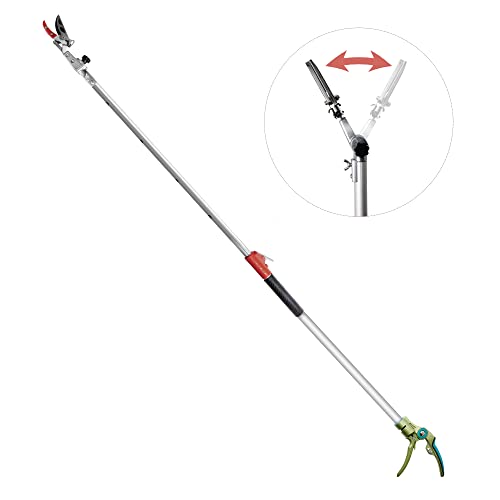
[Helpful Garden Tool] GARTOL brings to you a lightweight and extendable pruning tool to reach out to the least approachable arenas of your garden. You can conveniently get across other plants to remove the fastgrowing brambles and sting nettles without getting scratched or hurt. For gardening lovers, the telescopic pruner cutter head can can be rotated which resolves mobility issues and gives you the pleasure of trimming your garden without bending down or using a ladder to climb and cut them.

1:EXTENDABLE REACH FOR LADDER-FREE SAFETY – Acting as both a reliable tree pruner and a fruit picker pole, this tool effortlessly extends from 3.28 to 5.25 FT to reach high branches up to 10 FT from the ground. The innovative rotating and locking head allows for precise angles without unstable ladders or risky stretching, ensuring maximum safety.
Seasonal Considerations
Consider local climate conditions when planning your pruning. In Texas, varying regions experience different temperatures and rainfall. For example, in northern Texas, you should prune as early as February, while in southern Texas, late March may be more appropriate. Always check local weather forecasts for a late frost, as pruning just before a frost can damage budding branches.
Specific Tree Types
Different fruit trees have distinct pruning requirements. Here’s a breakdown of popular types:
- Apple Trees: Prune during late winter. Focus on removing crowded branches and shaping the tree to allow sun and air penetration.
- Peach Trees: Prune in late winter or early spring, just before blooming. Cut back vigorous new growth to encourage larger fruit.
- Citrus Trees: Prune sparingly. Trim primarily to remove dead or diseased wood, and do this after harvesting.
- Fig Trees: Prune in late winter. Minimal cutting is needed; focus on shaping and removing old growth.
Knowing when and how to prune according to tree type ensures better health and fruit production in your Texas garden.
Pruning Techniques For Fruit Trees
Pruning fruit trees involves specific techniques that promote healthy growth and maximize fruit production. Understanding the right methods and tools makes a significant difference in your trees’ vitality.
Recommended Products

★ 1. What you get: Professional convenient grafting tool set including a dual-use grafting pruner tool contain 2 extra replaceable blades, a wrench and a screwdriver, along with 36pcs wide rubber bands, 150 thick rubber bands and 1 grafting tape, packed in a black wallet to meet all your needs

Pruning Trees Shrubs and Vines No 54 By Gardenway Editors

Effortless Tree Cutting Operation: Designed for smooth and easy cutting of fruit trees, allowing you to finish girdling work with less effort
Tools Required For Pruning
Using the right tools ensures effective pruning. Here’s a list of essential tools:
- Pruning Shears: Ideal for small branches up to ¾ inch thick, these shears provide a clean cut that reduces damage.
- Loppers: Suitable for branches ¾ inch to 2 inches thick, loppers are longer and can reach higher areas.
- Pruning Saw: Effective for larger branches, a pruning saw cuts through thicker wood effortlessly.
- Gloves: Protect your hands from cuts and scrapes while handling tools and branches.
- Safety Goggles: Safeguard your eyes from flying debris when cutting.
Common Pruning Methods
Using the right techniques is crucial for tree health. Here are common methods for pruning fruit trees:
- Thinning: This method involves removing select branches to allow sunlight and air to circulate. It promotes even growth and reduces overcrowding.
- Heading: Heading back involves cutting branches to a bud or a side shoot. This encourages bushier growth and helps shape the tree.
- Crown Reduction: A crown reduction shortens the height of the tree. This technique is often necessary for trees that have grown too tall, making harvesting challenging.
- Cleanup Pruning: This method focuses on removing dead, damaged, or diseased branches. It prevents pest infestations and disease spread.
These techniques enhance fruit quality and improve tree structure. Use the right method depending on the type of fruit tree and its growth patterns to achieve the best results.
Signs That It’s Time To Prune
Recognizing when to prune your fruit trees is essential for their health and productivity. Here are key signs that indicate it’s time to get started:
Recommended Products

PROFESSIONAL GARDENING GRAFTING TOOLS: Including 2 in 1 grafting pruning tools, 3 replaceable blades, a grafting knife, a screwdriver, a wrench, 2 grafting films, 160 rubber bands, 40 wide rubber bands, and 50 colorful tag cards

【Applicable Scenarios】 4-Pack Garden Scissors Set Whether you're caring for your garden, maintaining a community garden, working in a greenhouse, harvesting fruit trees, tending to flower bonsai, or participating in outdoor landscaping projects, these shears will help you complete tasks with precision and ease. They make a great gift for wives and mothers who love gardening.

✂Multifunctional -2 in 1 Garden Grafting Tools-Professional grafting set allows you to pruning and grafting at the same time, saving more time and effort than traditional grafting methods, easy to use and more efficient. It allows you to trim away excess leaves and twigs and prepare the plants to be grafted. At the same time, you can make a precise cut into the grafting stock with the special grafting blade.
Dead or Diseased Branches
Inspect your trees for any branches that appear dead or diseased. They often have a brittle texture, dried leaves, or discoloration. Removing these branches prevents the spread of pests and diseases, protecting your entire tree.
Overcrowded Growth
Look for areas where branches overlap or crowd each other. Overcrowded growth hampers airflow and sunlight exposure. Pruning crowded limbs encourages healthy growth and improves fruit quality.
Stunted Growth
If you notice stunted growth or fewer fruits on your trees, it might indicate that they need pruning. Thinning out excess branches allows more energy to be directed to the remaining branches, promoting better fruit yields.
Unmanageable Height
Check the height and shape of your trees. If branches become too tall or unruly, pruning can help maintain a manageable size. This makes harvesting easier and prevents damage during storms.
Signs of Pest Infestation
Examine your trees for signs of pests or infestations, such as webs or holes in the bark. Pruning out infested areas limits pest access to healthy parts of the tree.
Time of Year
Pay attention to seasonal changes. Late winter to early spring is the optimal time to prune fruit trees in Texas. If you observe buds beginning to swell, it’s an indicator that pruning should occur soon.
By watching for these signs, you can determine the right moments to prune your fruit trees. Regular observation ensures they remain healthy and productive year after year.
Conclusion
Pruning your fruit trees at the right time is essential for a bountiful harvest in Texas. By following the guidelines for your specific tree types and local climate, you can help your trees thrive. Regular observation is key to spotting when your trees need attention.
Remember that late winter to early spring is generally the best time to prune. With a little effort and the right techniques, you’ll enjoy healthier trees and tastier fruit. Happy gardening and may your fruit trees flourish!
Frequently Asked Questions
When is the best time to prune fruit trees in Texas?
The optimal time to prune fruit trees in Texas is late winter to early spring, just before new growth begins. This timing helps minimize stress and maximize fruit yield. Depending on your region, northern areas may start as early as February, while southern regions may wait until late March.
Why is pruning important for fruit trees?
Pruning is essential for promoting better air circulation and sunlight exposure, which improves fruit quality and overall tree health. It encourages new growth, reduces the risk of pests and infections by removing dead or diseased branches, and enhances the tree’s structure for easier harvesting.
How do I know when to prune my fruit trees?
Signs that indicate it’s time to prune include dead or diseased branches, overcrowded growth, stunted growth, excessive height, and signs of pests. Regularly observing your trees will help determine the best moments for pruning, especially during the late winter to early spring period.
What are the common pruning techniques for fruit trees?
Common pruning techniques include thinning for better air circulation, heading to encourage bushier growth, crown reduction to shorten tree height, and cleanup pruning to remove dead or diseased branches. Each technique helps enhance fruit quality and improves tree structure.
What tools do I need for pruning fruit trees?
Essential tools for pruning fruit trees include pruning shears, loppers, pruning saws, gloves, and safety goggles. Using the right tools is vital for effective pruning and ensuring the health of your trees during the process.
