

Have you ever wondered why some fruit trees seem to thrive while others struggle to produce? If you’re thinking about planting pear trees, you might be asking yourself if you really need more than one to enjoy those delicious fruits. You’re not alone—many gardeners face this question when planning their orchards.
Key Takeaways
- Pollination is Key: Pear trees typically require cross-pollination to produce fruit, making it crucial to plant compatible varieties.
- Types of Pear Trees: Different varieties like European, Asian, and hybrid pears have unique pollination needs that affect fruit yield and quality.
- Benefits of Two Trees: Planting two pear trees increases fruit yield and improves pollination through cross-pollination, which enhances fertilization chances.
- Self-Pollination Limitations: Some Asian pear varieties can self-pollinate but may yield less fruit alone, highlighting the risks of planting a single tree.
- Choosing Compatible Varieties: Pair varieties that bloom simultaneously to maximize pollen transfer, ensuring a robust harvest.
- Proper Planting Practices: Plant trees within 50 feet of each other in well-draining soil and sunny locations for optimal growth and fruit production.
Understanding Pear Tree Pollination
Pollination plays a crucial role in pear tree fruit production. Understanding how it works helps you decide if you need more than one tree for a fruitful harvest.
Types of Pear Trees
Different types of pear trees exist, each with unique pollination needs. Common varieties include:
- European Pears: Varieties like ‘Bartlett’ and ‘Bosc’ thrive in USDA zones 5-9. They need cross-pollination.
- Asian Pears: Varieties such as ‘Shinseiki’ and ’20th Century’ also require pollinators, but can sometimes self-pollinate.
- Hybrid Pears: These combine traits from both European and Asian pears. Pollination requirements vary based on the specific hybrid.
Choosing the right type is essential for getting fruit.
Pollination Requirements
Pollination affects the yield of pear trees significantly. Most pear trees need a compatible partner to produce fruit.
- Cross-Pollination: Facilitate better fruit sets by planting two or more compatible varieties. For example, ‘Bartlett’ pairs well with ‘Anjou.’
- Self-Pollination: Some pear varieties can produce fruit without another tree, though yields may be lower. Asian pears often display this trait.
When planting, aim for proximity. Position trees within 50 feet of each other for optimal pollination success. Factors like bee activity also support fruit set, so consider a pollinator-friendly environment.
Understanding these elements ensures your pear trees bear the best fruit harvest possible.
Benefits of Having Two Pear Trees
Having two pear trees provides significant advantages for fruit production and pollination. Let’s look at the benefits in more detail.
Increased Fruit Yield
You can expect a noticeable increase in fruit yield when you plant two pear trees. With two trees, you’ll double your opportunities for fruit set. Each tree contributes its pollen, boosting the chances of successful fertilization. If you plan to grow a variety that requires cross-pollination, two trees make a major difference. For example, planting a Bartlett pear alongside a Bosc pear will result in a higher output than a single tree alone.
Cross-Pollination Advantages
Cross-pollination plays a key role in enhancing fruit quality and quantity. Most pear trees thrive with the help of a compatible partner nearby. By planting different varieties, you encourage bees and other pollinators to visit multiple trees, improving the overall pollination process. If you choose to plant two trees, select varieties that bloom around the same time. This overlap ensures that both trees pollinate each other effectively, resulting in a more robust harvest.
By investing in two pear trees, you set yourself up for greater success in growing delicious, abundant pears.
Can You Get Fruit from a Single Pear Tree?
You can get fruit from a single pear tree, but success largely depends on the variety.
Recommended Products
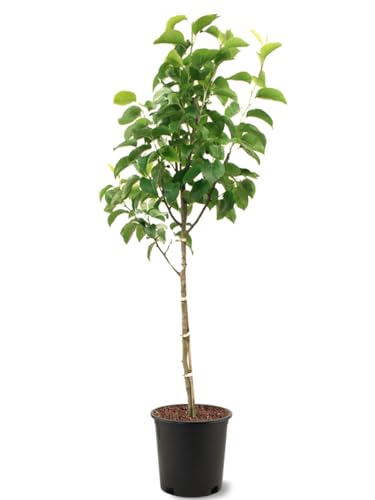
Thriving Orchard at Home: Elevate your outdoor space with the American Plant Exchange Flordahome Pear Trees. These live, semi-self-pollinating fruiting trees stand at an impressive 3-4 feet in a 5-gallon pot, bringing the allure of a thriving pear orchard to your doorstep.

LIVE ORCHARD AT YOUR DOORSTEP: Transform your outdoor space with American Plant Exchange Hood Pear Trees. These live, semi-self-pollinating fruiting trees, nestled in a 5-gallon pot and standing at 3-4 feet tall, bring the allure of a flourishing pear orchard directly to your home.

LIVE OUTDOOR LANDSCAPE DELIGHT: Elevate your garden with the American Plant Exchange Pineapple Pear Tree. Standing 3-4 feet tall in a 5-gallon pot, it's a liveplant ready to transform your outdoor space with its beauty and bounty.
Self-Pollinating Varieties
Some pear tree varieties can self-pollinate. Asian pears, for example, possess this capability. Though these trees can produce fruit on their own, the yield may not be as high as with cross-pollination. For optimal results, you might consider planting a self-pollinating variety like ‘Shinko’ or ‘Korean Giant’. These trees can still benefit from nearby trees for better fruit quality and quantity.
Limitations of Solitary Trees
Relying solely on a single pear tree has limitations. Many European pear varieties, like ‘Bartlett’ or ‘Bosc’, require cross-pollination from another compatible tree. Without a second tree, these varieties may produce little to no fruit. Additionally, solitary trees often face challenges in attracting pollinators, leading to reduced fruit set. If you’re set on growing pear trees for fruit, pairing the right varieties is crucial for a successful harvest.
Choosing the Right Pear Trees
Selecting the right pear trees plays a vital role in achieving a fruitful harvest. Understanding compatibility and planting considerations helps ensure successful pollination and fruiting.
Recommended Products

These are ready to plant and should be put in the ground according to the included instructions upon arrival. All pictures are of fully grown plants. Sizes shipped are in the title and description. Deciduous plants do not have leaves in the winter.

Light: Thrives in full sun for best fruit production.

Sweet, juicy pears: Produces flavorful fruit ideal for fresh eating, desserts, or preserves.
Selecting Compatible Varieties
Select varieties that bloom at the same time for effective cross-pollination. Consider pairing a Bartlett pear with a Bosc pear. Both flower simultaneously and enhance fruit production. Other effective pairs include:
- Kieffer Pear and Hosui Pear: This combination offers reliable yields due to overlapping bloom periods.
- Anjou Pear and Comice Pear: These trees work well together, producing high-quality fruit.
Research the specific bloom times of your selected varieties. Choose trees that flower within a week of each other to maximize pollen transfer. Consult local nurseries or agricultural extensions for advice on varieties best suited for your region.
Planting Considerations
Plant your pear trees 50 feet apart to facilitate ample cross-pollination. Ensure they are planted in well-draining soil, with full sun exposure for optimal growth. Follow these steps for effective planting:
- Choose the Right Site: Select a location with good air circulation and sunlight.
- Prepare the Soil: Amend the soil with compost or well-rotted manure to improve nutrient levels.
- Dig Planting Holes: Dig holes twice as wide and deep as the tree’s root ball, allowing roots to spread comfortably.
- Place the Trees: Position the trees so that the graft union (the bulge on the trunk) sits above the soil line.
- Water Thoroughly: After planting, water the trees deeply to help settle the soil around the roots.
Keep in mind that regular maintenance, like pruning and pest management, supports healthy growth and fruit production. Pay attention to signs of disease or nutrient deficiencies, which can diminish yields. By choosing compatible varieties and planting them correctly, you significantly increase your chances of enjoying a bountiful pear harvest.
Conclusion
Getting fruit from your pear trees can be a rewarding experience. While some varieties can self-pollinate, having two trees is often the best route to take. Not only does it increase your chances of a successful fruit set but it also enhances the quality of the pears you’ll harvest.
By choosing compatible varieties that bloom at the same time and planting them within the right distance, you’re setting yourself up for a fruitful season. So go ahead and consider adding that second pear tree to your garden. You’ll likely be glad you did when you’re enjoying the sweet rewards of your hard work.
Frequently Asked Questions
Do I need multiple pear trees for fruit production?
Yes, most pear trees require cross-pollination for successful fruit production. Planting at least two compatible trees enhances pollination, leading to better fruit yields. Some varieties of Asian pears can self-pollinate, but their yields will be lower.
What types of pear trees are best for pollination?
European and Asian pear trees have different pollination needs. It’s best to pair varieties that bloom simultaneously for effective cross-pollination. For example, a Bartlett pear works well with a Bosc pear, while Kieffer pears can pair with Hosui pears.
How far apart should pear trees be planted?
Planting pear trees at least 50 feet apart is recommended to enhance cross-pollination. This distance allows for better pollen transfer and ensures that each tree has enough space to grow healthily.
Can a single pear tree produce fruit?
Some pear trees, especially certain Asian varieties like ‘Shinko’ or ‘Korean Giant’, can self-pollinate and produce fruit. However, yields will be lower compared to trees that benefit from cross-pollination with compatible varieties.
What factors should I consider when planting pear trees?
When planting pear trees, consider bloom times, soil quality, sun exposure, and proper planting techniques. Choose compatible varieties that bloom simultaneously, and ensure they are planted in well-draining soil with adequate sunlight for healthy growth.
