
Close Menu
    Fruit Tree Hub
    • Home
    • Apple Trees
    • Lemon Trees
    • Mango Trees
    • Orange Trees
    • More Trees
      • Best Fruit Trees
      • Apricot Trees
      • Cherry Trees
      • Fig Trees
      • Lime Trees
      • Mulberry Trees
      • Peach Trees
      • Pear Trees
      • Plum Trees
      • Pomegranate Trees
    • Tips and Advice
      • Tools
    • About Us
      • Contact
      • Privacy Policy
    Fruit Tree Hub
    Home»Tips and Advice»Can You Put Cedar Mulch Around Fruit Trees for Healthy Growth and Pest Control?
    Tips and Advice

    Can You Put Cedar Mulch Around Fruit Trees for Healthy Growth and Pest Control?

    Martha JacksonBy Martha JacksonDecember 29, 20247 Mins Read
    Share Facebook Twitter Pinterest WhatsApp Email
    Share
    Facebook Twitter LinkedIn Pinterest Telegram Email

    Wondering if cedar mulch is a good choice for your fruit trees? You’re not alone. Many gardeners face the challenge of finding the right mulch that supports healthy growth while keeping pests at bay.

    Contents show
    1 Key Takeaways
    2 Benefits of Cedar Mulch
    2.1 Moisture Retention
    2.2 Weed Suppression
    3 Potential Concerns
    3.1 Allelopathic Effects
    3.2 Insect Attraction
    4 Best Practices for Using Cedar Mulch
    4.1 Application Techniques
    5 Alternatives to Cedar Mulch
    5.1 Organic Options
    6 Conclusion
    7 Frequently Asked Questions
    7.1 What is the main benefit of using cedar mulch for fruit trees?
    7.2 How should cedar mulch be applied around fruit trees?
    7.3 Are there any drawbacks to using cedar mulch?
    7.4 What are some alternatives to cedar mulch?
    7.5 How often should cedar mulch be replenished?

    Key Takeaways

    • Moisture Retention: Cedar mulch effectively retains moisture, creating a stable microclimate that supports healthy fruit tree growth during dry spells.
    • Weed Suppression: A thick layer of cedar mulch can reduce weed growth by up to 80%, minimizing competition for resources and labor for gardeners.
    • Allelopathic Effects: Cedar mulch contains compounds that may hinder the growth of certain nearby plants, necessitating careful monitoring of sensitive vegetation around fruit trees.
    • Insect Attraction: While cedar mulch repels some pests, it can attract beneficial insects like ants, which may farm harmful aphids, so regular inspections are critical.
    • Application Guidelines: For best results, apply cedar mulch in a 2-4 inch layer, maintaining a gap of 3-6 inches from the tree trunk to prevent rot and ensure proper airflow.
    • Alternatives Available: Consider other organic mulching options such as wood chips, straw, or compost, which may offer similar benefits while addressing potential issues linked to cedar mulch.

    Benefits of Cedar Mulch

    Cedar mulch offers several advantages for fruit trees, making it an excellent choice for your garden. Its unique properties not only support tree health but also enhance the overall growing environment.

    MUST READ
    How to Grow Rambutan Fruit Tree: A Complete Guide for Thriving Harvests and Care Tips

    Moisture Retention

    Cedar mulch excels in retaining moisture around fruit trees. The fibrous texture slows down evaporation, ensuring that the soil stays consistently moist. When you apply cedar mulch, it helps create a stable microclimate. This stability benefits young trees, especially during dry spells. For best results, spread a 2-4 inch layer of mulch around the base of the trees, keeping it a few inches away from the trunk.

    Weed Suppression

    Cedar mulch serves as a natural barrier against weeds. Its dense structure blocks sunlight, preventing weed seeds from germinating. By reducing competition for nutrients and water, cedar mulch supports the healthy growth of fruit trees. To maximize its effectiveness, apply cedar mulch in a thick layer. You can expect around 80% less weed growth, which means less labor for you and more resources for your trees.

    Potential Concerns

    While cedar mulch presents several benefits, you should consider potential concerns when using it around fruit trees. These issues can affect the growth and health of your trees.

    Recommended Products

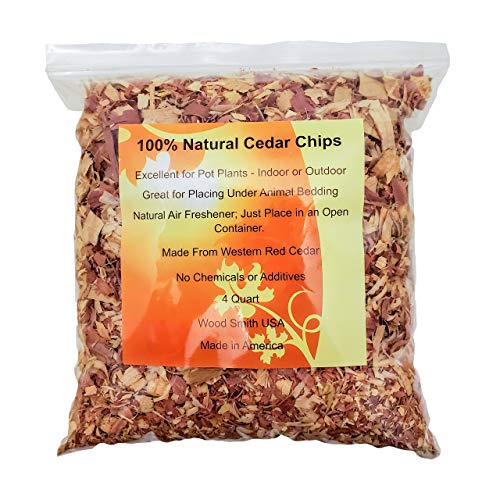
    100% Natural Cedar Chips | Mulch | Great for Outdoors or Indoor Potted Plants | Dog Bedding | Pleasant Earthy Smell 4 Quarts
    100% Natural Cedar Chips | Mulch | Great for Outdoors or Indoor Potted Plants | Dog Bedding | Pleasant Earthy Smell 4 Quarts

    Natural Cedar; Use with your outdoor and indoor plants; will hold moisture in! THIS IS A 4 QUART SIZE OF CEDAR CHIPS
    VIEW LATEST PRICE

    As an affiliate, we earn on qualifying purchases.

    100% Natural Cedar Shavings | Mulch | Great for Outdoors or Indoor Potted Plants | Dog Bedding (4 Quart)
    100% Natural Cedar Shavings | Mulch | Great for Outdoors or Indoor Potted Plants | Dog Bedding (4 Quart)

    100% Natural Cedar; Use with your outdoor and indoor plants; will hold moisture in! 4 Quart; Natural product so cedar shavings vary in size.

    VIEW LATEST PRICE

    As an affiliate, we earn on qualifying purchases.

    100% Natural Cedar Shavings | Mulch | Great for Outdoors or Indoor Potted Plants | Dog Bedding (Small)
    100% Natural Cedar Shavings | Mulch | Great for Outdoors or Indoor Potted Plants | Dog Bedding (Small)

    100% Natural Cedar; Use with your outdoor and indoor plants; will hold moisture in! HALF QUART size; Natural product so cedar shavings vary in size. Weight 2 ounces

    MUST READ
    How Long for Apple Trees to Fruit: Essential Tips for a Successful Harvest
    VIEW LATEST PRICE

    As an affiliate, we earn on qualifying purchases.

    Allelopathic Effects

    Cedar mulch contains compounds that may inhibit the growth of some plants. This allelopathy can affect nearby vegetation. If you opt for cedar mulch, monitor your fruit trees for signs of stunted growth. It’s especially important to observe the area around young or sensitive plants.

    Insect Attraction

    Cedar mulch can attract certain insects. While it repels some pests, like termites, it can also draw in beneficial insects like ants. These ants sometimes farm harmful aphids, which can damage fruit trees. Regularly inspect your garden for insect activity and consider integrating companion plants to attract beneficial pollinators while deterring pests.

    Best Practices for Using Cedar Mulch

    Using cedar mulch around fruit trees offers numerous benefits, but employing best practices ensures that you maximize those advantages while minimizing any potential downsides.

    Recommended Products
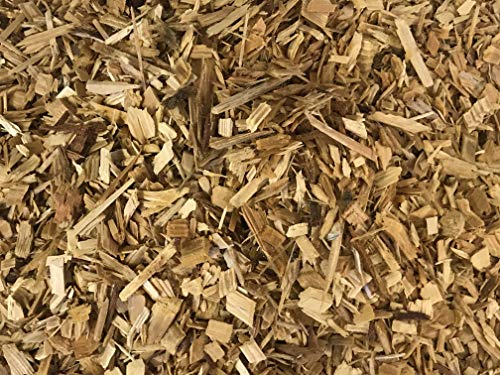
    100% Natural Cedar Shavings | Mulch | Great for Outdoors or Indoor Potted Plants | Dog Bedding (8 Quart)
    100% Natural Cedar Shavings | Mulch | Great for Outdoors or Indoor Potted Plants | Dog Bedding (8 Quart)

    100% Natural Cedar; Use with your outdoor and indoor plants; will hold moisture in! 4 Quart; Natural product so cedar shavings vary in size.

    VIEW LATEST PRICE

    As an affiliate, we earn on qualifying purchases.

    100% Natural Cedar Shavings | Mulch | Great for Outdoors or Indoor Potted Plants | Dog Bedding (16 Quart)
    100% Natural Cedar Shavings | Mulch | Great for Outdoors or Indoor Potted Plants | Dog Bedding (16 Quart)

    100% Natural Cedar; Use with your outdoor and indoor plants; will hold moisture in! 16 Quart; Natural product so cedar shavings vary in size.

    VIEW LATEST PRICE

    As an affiliate, we earn on qualifying purchases.

    100% Natural Cedar Chips | Mulch | Great for Outdoors or Indoor Potted Plants | Dog Bedding | Pleasant Earthy Smell Half-Quart;
    100% Natural Cedar Chips | Mulch | Great for Outdoors or Indoor Potted Plants | Dog Bedding | Pleasant Earthy Smell Half-Quart;

    Natural Cedar; Use with your outdoor and indoor plants; will hold moisture in!

    VIEW LATEST PRICE

    As an affiliate, we earn on qualifying purchases.

    Application Techniques

    • Apply cedar mulch in a circular pattern around the base of the fruit tree. Leave a space of 3-6 inches between the mulch and the trunk to prevent moisture buildup that can lead to rot.
    • Spread the mulch evenly, avoiding clumps. This promotes consistent moisture retention and improves airflow to the tree’s roots.
    • Use a rake or your hands to achieve a uniform layer across the planting area. This method helps prevent weeds and creates a stable microclimate around your tree.
    MUST READ
    When Does an Avocado Tree Start Bearing Fruit: Essential Tips for Successful Growing
    • Aim for a mulch depth of 2-4 inches. This thickness provides insulation, retains soil moisture, and suppresses weeds effectively.
    • Monitor the depth over time, as decomposition can reduce its thickness. Add more mulch as needed to maintain the recommended depth.
    • Ensure you don’t exceed 4 inches, as too much mulch can suffocate roots and hinder nutrient absorption.

    By following these best practices, you enhance the health and growth of your fruit trees while optimizing the benefits cedar mulch provides.

    Alternatives to Cedar Mulch

    When selecting mulch for your fruit trees, several alternatives can offer similar benefits while addressing concerns linked to cedar mulch.

    Recommended Products

    Coco Chips Mulch Brick (10lbs) - 100% Organic Mulch Medium for Garden Beds, Landscaping, & Outdoor Plants - Compressed Coconut Husk Chips - Retains Moisture in Potting Soil & Containers
    Coco Chips Mulch Brick (10lbs) - 100% Organic Mulch Medium for Garden Beds, Landscaping, & Outdoor Plants - Compressed Coconut Husk Chips - Retains Moisture in Potting Soil & Containers

    100% Natural Expanding Mulch Medium - Made from natural coconut husks, Plantonix Coco Chips create a protective mulch layer for outdoor plants, raised beds, flower gardens, trees, shrubs, and container plants. Coco husk chips are perfect for tropical plants, orchids, and outdoor gardens where it’s important to retain moisture throughout the growing season.

    VIEW LATEST PRICE

    As an affiliate, we earn on qualifying purchases.

    100% Natural Pine Bark Mulch Nuggets (8 Quarts), Small Mulch Chips for Indoor/Outdoor Container Gardening, Ideal for Soil Supplement, Houseplant Mulch
    100% Natural Pine Bark Mulch Nuggets (8 Quarts), Small Mulch Chips for Indoor/Outdoor Container Gardening, Ideal for Soil Supplement, Houseplant Mulch

    ALL-NATURAL INGREDIENTS: No added fertilizers or pesticides

    VIEW LATEST PRICE

    As an affiliate, we earn on qualifying purchases.

    Soil Sunrise 100% Natural Pine Bark Mulch Nuggets (30 Quarts) Small Mulch Chips for Indoor/Outdoor Container Gardening, Ideal for Soil Supplement, Houseplant Mulch, and Terrariums
    Soil Sunrise 100% Natural Pine Bark Mulch Nuggets (30 Quarts) Small Mulch Chips for Indoor/Outdoor Container Gardening, Ideal for Soil Supplement, Houseplant Mulch, and Terrariums

    ALL-NATURAL INGREDIENTS: No added fertilizers or pesticides

    MUST READ
    How to Fertilizer Fruit Trees: Essential Tips for Healthy Growth and Abundant Harvests
    VIEW LATEST PRICE

    As an affiliate, we earn on qualifying purchases.

    Organic Options

    1. Wood Chips: Wood chips, derived from various tree species, provide excellent moisture retention and deter weeds. They’re biodegradable and improve soil health over time as they decompose.
    2. Straw: Straw offers a lightweight, organic option that’s easy to spread around trees. It helps retain moisture and breaks down, enriching the soil. Aim for a depth of 2-4 inches for optimal results.
    3. Grass Clippings: Grass clippings, when dried and spread evenly, act as a nutrient-rich mulch. They decompose quickly, adding organic matter to the soil. Use a layer of about 1-2 inches and avoid excessive clumping.
    4. Leaves: Shredded leaves serve as a free mulch option that promotes soil aeration. They naturally break down, enriching the soil. Apply a layer of 2-3 inches for best results.
    1. Bark Mulch: Bark mulch, often made from pine, is durable and attractive. It suppresses weeds and retains moisture effectively. It’s best to use a thickness of 2-4 inches around the trees.
    2. Rubber Mulch: Rubber mulch, made from recycled tires, doesn’t decompose and lasts for years. It’s effective at moisture retention and weed control but may not enhance soil health as organic options do.
    3. Stones or Gravel: Stones or gravel provide a long-lasting alternative that prevents weeds and retains moisture. However, they can heat up the soil, which may not be suitable for sensitive fruit trees. A 2-inch layer works well.
    4. Compost: Compost serves as a nutrient-rich mulch that improves soil quality over time. Spread a 1-2 inch layer, ensuring it remains off the tree trunk to prevent rot.

    These alternatives to cedar mulch offer various benefits. Choosing the right type depends on your garden’s specific needs and the desired outcome for your fruit trees.

    Conclusion

    Choosing the right mulch for your fruit trees is essential for their growth and health. Cedar mulch can be a great option if you follow best practices and keep an eye on your trees. Its moisture-retaining properties and weed control benefits can support your trees during dry spells.

    MUST READ
    Which Fruit Tree is Good in Front of House: Best Options for Curb Appeal and Fresh Fruit

    Just remember to monitor for any signs of stunted growth or unwanted pests. If you notice any issues, don’t hesitate to explore other organic mulching options that might suit your garden better. Ultimately, the right choice depends on your specific needs and the unique conditions of your garden. Happy gardening!

    Frequently Asked Questions

    What is the main benefit of using cedar mulch for fruit trees?

    Cedar mulch retains moisture and creates a stable microclimate beneficial for young trees. It also serves as a natural barrier against weeds, reducing competition for nutrients and water, which supports healthy growth.

    How should cedar mulch be applied around fruit trees?

    Apply a 2-4 inch layer of cedar mulch in a circular pattern around the tree’s base, leaving a space of 3-6 inches between the mulch and the trunk. This prevents moisture buildup that can lead to rot.

    Are there any drawbacks to using cedar mulch?

    Cedar mulch can inhibit the growth of some plants due to its allelopathic properties. It might also attract beneficial insects like ants, which can farm harmful aphids. Regularly inspect for insect activity.

    What are some alternatives to cedar mulch?

    Alternatives to cedar mulch include organic options like wood chips, straw, and shredded leaves, as well as bark mulch, rubber mulch, stones, and compost. Each offers unique benefits for moisture retention and soil enrichment.

    How often should cedar mulch be replenished?

    Cedar mulch should be monitored regularly and replenished as needed to maintain a depth of 2-4 inches. This ensures optimal moisture retention and health for the fruit trees while maximizing the mulch’s benefits.

    Share. Facebook Twitter Pinterest LinkedIn Tumblr Email
    martha jackson
    Martha Jackson

      Martha Jackson is an accomplished freelance writer and editor with a strong interest in gardening. With a degree in English from the University of California, Berkeley, Martha has over 15 years of experience writing for a variety of publications. She is passionate about making gardening accessible to all and is always seeking out new techniques and innovations.

      Related Posts

      How Long Until Avocado Trees Bear Fruit and Tips for Faster Growth at Home

      February 20, 2025

      What Yellow Fruit Grows on Trees and Their Delicious Health Benefits

      February 20, 2025

      How to Air Layer Fruit Trees: A Step-by-Step Guide for Successful Propagation

      February 20, 2025

      When Do Grapefruit Trees Produce Fruit and How to Maximize Your Harvest

      February 20, 2025

      What Is a Fast Growing Fruit Tree: Discover Quick-Yield Options for Your Garden

      February 20, 2025

      Do Cherry Blossom Trees Have Fruit? Discover the Truth About Their Edibility and Benefits

      February 20, 2025
      Leave A Reply Cancel Reply

      Affiliate Disclosure

      As an Amazon Associate I earn from qualifying purchases.

      Recommended Reading

      Do You Plant Fruit Trees Above or Below the Graft? Best Practices for Successful Growth

      Walnut Trees in Alabama: Pro Secrets for a Massive Harvest

      Can Tamarind Trees Grow in a Pot in Arizona? Sun Care Tips

      Tamarind Trees in a Pot in New York City, NY (Rooftop Tips)

      How to Sharpen Lopper Blades for 25% Longer Lifespan & 98% Rust Prevention

      How Many Years Does an Avocado Tree Bear Fruit and What You Need to Know to Grow One

      How to Take Care of a Kiwi Plant: Essential Tips for Thriving Growth

      Mango Trees in a Pot in Kentucky (Bluegrass Region Potting Guide)

      What Time of Year to Trim Fruit Trees for Maximum Health and Bountiful Harvests

      Can Star Fruit Trees Grow in a Pot in California? Success Guide

      Fruit Tree Hub

      Fruit Tree Hub is a website dedicated to providing you everything you need to grow fruit trees successfully at in your own yard.

      Contact us at: [email protected]

      - AFFILIATE DISCLOSURE: As an Amazon Associate I earn from qualifying purchases.

      Latest Posts

      21 Colorful Halloween Crochet Motifs Featuring Pumpkins Bats and Black Cats

      23 Smart Halloween Crochet Ideas to Sell as Keychains and Coasters

      22 Fun Halloween Crochet Ideas Built Around Treat Bags and Hats

      23 Adorable Halloween Amigurumi Ideas Featuring Ghosts and Black Cats

      22 Compact Halloween Crochet Decorations for Shelves and Small Spaces

      19 Practical Halloween Crochet Decorations Designed for Tabletop Displays

      24 Cozy Halloween Crochet Decor Ideas Built Around Mantel Garlands

      19 Playful Kawaii Halloween Crochet Ideas Featuring Smiling Spooky Characters

      Categories
      • Almond Trees
      • Apple Trees
      • Apricot Trees
      • Best Fruit Trees
      • Blackberry
      • Cantaloupe
      • Cherry Trees
      • Crochet Ideas
      • Crochet Ideas for Beginners
      • Cucamelon
      • Easy Crochet Ideas
      • Easy Knitting Projects
      • Fall Crochet Ideas
      • Fig Trees
      • Grapefruit Trees
      • Grapes
      • Guava Trees
      • Halloween Crochet Ideas
      • Honeydew
      • Jujube Trees
      • Kiwi
      • Knitting For Beginners
      • Knitting Ideas
      • Knitting Inspiration
      • Lemon Trees
      • Lime Trees
      • Loquat Trees
      • Mango Trees
      • Mulberry Trees
      • Nectarine Trees
      • Olive Trees
      • Orange Trees
      • Papaya Trees
      • Peach Trees
      • Pear Trees
      • Persimmon Trees
      • Planting
      • Plum Trees
      • Pomegranate Trees
      • Quince Trees
      • Raspberry
      • Reviews
      • Small Crochet Ideas
      • Star Fruit Trees
      • Summer Crochet Ideas
      • Tamarind Trees
      • Tangerine Trees
      • Tips and Advice
      • Tools
      • Uncategorized
      • Walnut Trees
      © 2026 Fruit Tree Hub
      • Home
      • About Us
      • Contact
      • Privacy Policy
      • Terms and Conditions
      • Disclaimer
      • Editorial Policy
      • Affiliate Disclosure

      Type above and press Enter to search. Press Esc to cancel.