

Have you ever wondered how to keep your raspberry bushes thriving during the summer months? Picture this: you’re in your garden, surrounded by lush greenery, but your raspberry plants seem a bit unruly. What if there was a simple way to ensure a bountiful harvest and healthier growth for your raspberries?
In this article, you’ll discover the art of pruning raspberries in summer. By learning the proper techniques, you can promote better fruit production and overall plant health. Say goodbye to overcrowded bushes and hello to an abundance of juicy raspberries right in your backyard.
Key Takeaways
- Pruning raspberry bushes in summer is crucial for promoting healthier growth, better fruit production, and preventing overcrowding.
- The best time for summer pruning of raspberries is after harvesting the fruits, typically around mid-summer (July or August).
- Essential tools for pruning raspberries include a sharp bypass pruner and protective gear like gloves and goggles to ensure safe and efficient pruning.
- Proper techniques for cutting canes involve using sharp pruners at a 45-degree angle near ground level to make clean cuts without causing damage.
- Post-pruning care tips include consistent watering, deep watering for root growth, balanced fertilization, pest monitoring with natural remedies, and disease prevention through cleanliness and proper spacing.
Understanding Raspberry Pruning
Pruning your raspberry bushes during the summer is crucial for ensuring a bountiful harvest and promoting healthier growth. Let’s delve into why pruning is essential and the best time to carry out this task.
Why Pruning Is Essential
Pruning raspberry bushes in summer helps maintain plant health by removing diseased or damaged canes, improving air circulation, and allowing sunlight to reach all parts of the plant. This process also encourages new growth, leading to better fruit production in the upcoming seasons. By pruning regularly, you can prevent overcrowding within the plant, reducing the risk of pests and diseases.
Best Time for Summer Pruning
The ideal time for summer pruning of raspberries is after harvesting the fruits. Aim to prune around mid-summer, typically in July or August, when most fruiting has occurred. This timing allows you to remove old canes that have already produced fruit while encouraging new cane development for next year’s harvest. Remember to use sharp pruners to make clean cuts and dispose of any pruned material properly to prevent disease spread.
By understanding the importance of raspberry pruning and knowing the best time for this activity, you can effectively care for your raspberry bushes and set them up for a successful growing season with abundant yields of delicious raspberries.
Tools Required for Pruning Raspberries
To properly prune your raspberry bushes in summer, you’ll need a few essential tools to ensure the task is done efficiently and effectively. Here are the tools you should have on hand:
Recommended Products

Prune small plants, branches, and shrubs without damaging your plants or inviting disease. The Bypass Pro Pruner gives a clean and precise cut. This professional-grade pruner is designed and built for homeowners and landscape professionals.

1″ Cutting Capacity for Thick Stems & Branches – Powerful bypass blade easily cuts through live branches, woody stems, and green growth up to 1 inch thick, making it ideal for pruning trees, shrubs, and garden plants.
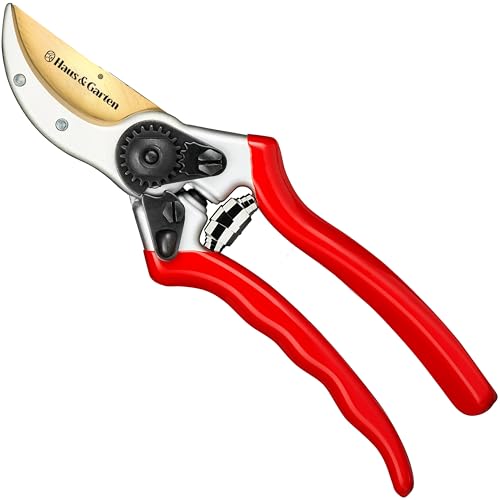
Sharp, Clean Cuts Every Time – Engineered from Japanese grade, high-carbon steel, ClassicPRO bypass pruning shears for gardening stay sharp and make precise cuts that encourage healthy growth and won’t damage your plants
Choosing the Right Pruner
When it comes to pruning raspberries, having the right pruner can make all the difference. Opt for a sharp bypass pruner with clean blades to make precise cuts without causing damage to the canes. A bypass pruner works like scissors, providing a clean cut that promotes faster healing for the plant.
Protective Gear and Accessories
While pruning raspberries, it’s crucial to protect yourself from thorns and potential injuries. Wear thick gardening gloves to shield your hands from scratches and prickles. Additionally, consider wearing long sleeves and pants to cover exposed skin. A pair of safety goggles can also be beneficial, especially when working with denser raspberry bushes that may have branches springing back during cutting.
By ensuring you have the right tools such as a quality pruner and protective gear like gloves and goggles, you’ll be well-equipped to tackle pruning your raspberry bushes effectively while keeping yourself safe from any potential hazards.
Step-by-Step Guide to Summer Pruning
Pruning raspberry bushes in summer is crucial for their health and productivity. Here’s a simple guide to help you effectively prune your raspberry plants during the summer months.
Recommended Products

Clean, Precision Bypass Cutting up to 1” Diameter – Sharp, forged steel bypass blade delivers smooth, scissor-like cuts through live branches, stems, and green wood up to 1 inch thick, helping reduce plant damage and promote faster, healthier regrowth.

Clean, Precise Bypass Cutting Action – Sharp bypass blade delivers smooth, scissor-style cuts that reduce plant damage and promote healthier regrowth on live stems and branches.

GARDENING ESSENTIAL: Small bypass blade design of Fiskars Floral Pruner has a cut capacity of 1/2 in. and is ideal for light pruning, deadheading & working with cut flowers and floral arrangements
Identifying Which Canes to Prune
To begin, inspect your raspberry bushes carefully. Look for canes that are spent, diseased, or damaged. These canes are typically darker in color and may show signs of wilting or pest infestations. It’s essential to remove these canes promptly to prevent the spread of diseases and allow the plant to channel its energy into healthy growth.
Proper Techniques for Cutting
When pruning raspberries, use sharp bypass pruners to make clean cuts. Locate the base of the cane near ground level or at soil line level if it’s a primocane variety. Position your pruners at a 45-degree angle and snip off the unwanted cane with one swift motion. Ensure that your cuts are precise and close to the main stem without causing damage.
Tips for Caring for Raspberries Post-Pruning
After pruning your raspberry bushes in summer, it’s essential to continue caring for them properly to ensure healthy growth and a fruitful harvest. Here are some valuable tips to help you maintain your raspberry plants post-pruning:
Recommended Products

VERSATILE PRUNING AND CUTTING SET: 2-tool combo helps tackle both live green growth and deadwood, making it easy to prune branches, trim plants, and cut through tougher material

【Make Pruning Work Easier】Rust-resistant stainless steel blades are sharp and durable for easy and smooth cut. Anti-slip and ergonomic handles make the gardener clippers more comfortable in your hand. Easy-open spring action reduces hand fatigue while cutting. you can easily cut without damaging the vital stems and branches of your plants.

PROFESSIONAL GARDENING GRAFTING TOOLS: Including 2 in 1 grafting pruning tools, 3 replaceable blades, a grafting knife, a screwdriver, a wrench, 2 grafting films, 160 rubber bands, 40 wide rubber bands, and 50 colorful tag cards
Watering and Fertilizing
Watering:
- Water consistently: Ensure your raspberry bushes receive about 1-2 inches of water per week, either through rainfall or manual watering.
- Deep watering: Focus on deep watering to encourage root growth and prevent shallow roots.
Fertilizing:
- Balanced fertilizer: Use a balanced fertilizer with equal parts nitrogen, phosphorus, and potassium to support overall plant health.
- Timing: Apply fertilizer in early spring before new growth appears and again after the summer pruning process.
Pest and Disease Management
Pest Control:
- Monitor regularly: Keep an eye out for common pests like aphids, spider mites, and Japanese beetles by inspecting the leaves and canes.
- Natural remedies: Consider using natural pest control methods such as neem oil or introducing beneficial insects like ladybugs.
Disease Prevention:
- Cleanliness is key: Remove fallen leaves and debris around the raspberry bushes to reduce the risk of fungal diseases.
- Proper spacing: Ensure adequate airflow between plants by maintaining proper spacing during planting to prevent diseases like powdery mildew.
By following these care tips diligently post-pruning, you’ll help your raspberry bushes thrive and produce an abundance of delicious raspberries for you to enjoy.
Conclusion
Now that you’ve learned the importance of summer pruning for your raspberry bushes, as well as the post-pruning care tips to keep them healthy and productive, you’re all set to enjoy a thriving raspberry patch. By following these simple guidelines, your plants will be on their way to producing delicious raspberries in abundance. Remember to stay attentive to their needs, from removing diseased canes to providing proper nutrients and protection against pests and diseases. With a little effort and care, your raspberry bushes will reward you with a plentiful harvest that you can savor throughout the season. Happy pruning!
Frequently Asked Questions
Why is summer pruning important for raspberry bushes?
Summer pruning is essential for raspberry bushes as it helps stimulate new growth, increase fruit yield, and improve air circulation to prevent diseases.
What should I focus on while summer pruning my raspberry bushes?
When summer pruning your raspberry bushes, concentrate on removing diseased or dead canes, thinning out crowded areas for better sunlight penetration, and cutting back lateral branches to encourage new growth.
How can I care for my raspberry plants after summer pruning?
After summer pruning your raspberry plants, remember to water deeply but infrequently, apply a balanced fertilizer according to instructions, monitor for pests regularly, and maintain cleanliness around the plants to prevent diseases. Proper spacing between plants is also crucial.
