

Have you ever wondered which fruit trees can brave the cold and thrive through winter? If you live in a region with harsh winters, selecting the right trees can feel like a daunting task. You want to enjoy fresh fruit without worrying about frost damage or tree loss.
Key Takeaways
- Select Winter-Hardy Varieties: Choose fruit trees like apple, pear, cherry, and plum that are known for their cold resilience and ability to survive harsh winters.
- Understand Plant Hardiness Zones: Reference the USDA Plant Hardiness Zone Map to ensure that the chosen fruit trees are suitable for the local climate conditions.
- Focus on Site and Soil Quality: Plant trees in well-drained locations with adequate sunlight and suitable soil pH (6.0 to 7.0) for optimal growth.
- Implement Winter Care Practices: Use mulching techniques, water trees before frost, and consider wrapping trunks for insulation to protect trees from extreme cold.
- Monitor for Pests: Stay vigilant for pest infestations during mild winter spells and apply preventive measures as needed to maintain tree health.
- Follow Proper Pruning Techniques: Prune trees in late winter or early spring to remove damaged branches and encourage new growth, enhancing fruit production.
Overview of Winter-Hardy Fruit Trees
Winter-hardy fruit trees thrive in cold climates, ensuring reliable fruit production despite harsh winter conditions. Certain varieties resist freezing temperatures, making them ideal choices for your garden.
Recommended Products

Live Starter Plant: You will receive a well-rooted live plant approximately 5-8" tall, come in soil without pot, for planting in garden or container. The crabapple tree may arrive dormant during winter, with few or no leaves

Set of 2 live persimmon plants, each 8-12 inches tall and ready to plant, in pots

Hardiness Zones 7 Through 10.
Common Winter-Hardy Fruit Trees
- Apple Trees: Numerous varieties, like Honeycrisp and Granny Smith, adapt well to cold climates. They endure temperatures as low as -30°F (-34°C).
- Pear Trees: Varieties such as Bartlett and Bosc withstand low temperatures and offer delicious fruit. They flourish in USDA Zones 3 to 8.
- Cherry Trees: Sweet cherries like Bing and sour cherries like Montmorency show resilience in cold weather. They thrive in well-drained soils and require chilling hours.
- Plum Trees: Varieties such as Stanley and Methley perform well in winter. They resist frost damage and bear fruit in early summer.
Essential Considerations for Planting
- Site Selection: Choose a well-drained location with adequate sunlight. Avoid frost pockets where cold air settles.
- Soil Quality: Test soil pH; most fruit trees prefer a range of 6.0 to 7.0. Amending with organic matter enhances fertility.
- Mulching: Apply mulch around the base of the trees to regulate soil temperature and reduce winter damage.
Caring for Winter-Hardy Fruit Trees
- Pruning: Conduct pruning in late winter or early spring. Remove dead or damaged branches to promote healthy growth.
- Watering: Ensure the trees receive enough moisture before the ground freezes. Proper hydration supports winter hardiness.
- Protection: Consider wrapping young trees with burlap for extra insulation against wind and frost.
- Frost Damage: Be watchful of late spring frosts that can affect flowering. Planting in protected areas mitigates this risk.
- Pest Infestations: Monitor for pests, as some may become active during milder winter weather. Implement preventative measures like insecticidal soaps.
By selecting the right winter-hardy fruit trees and following best planting and care practices, you can enjoy fresh fruit from your garden, even in areas with severe winters.
Common Traits of Winter-Resilient Trees
Winter-resilient fruit trees share several characteristics that enable them to thrive in cold climates. Understanding these traits helps you choose the right trees for your garden.
Recommended Products


Produces oval fruit with dark green to nearly black when mature
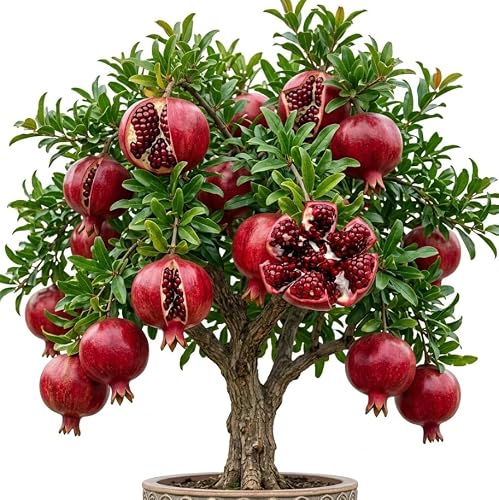
Each order includes a live red pomegranate plant, carefully grown and ready to thrive in your garden or home.
Cold Hardiness Ratings
Cold hardiness ratings offer crucial insights into how well a tree can endure extreme temperatures. The USDA Plant Hardiness Zone Map categorizes trees based on their ability to survive in specific temperature ranges. For instance, apple trees (Zones 3-8) are known for their hardiness, while cherry trees thrive best in Zones 4-8. Look for trees rated for your specific zone to ensure they can withstand local winter conditions.
Adaptation Strategies
Adaptation strategies help trees manage harsh winter conditions effectively. Here are some common strategies:
- Leaf Drop: Many deciduous trees drop their leaves in winter. This process reduces water loss and damage from snow accumulation.
- Frost Resistance: Trees with thicker bark often resist frost damage better. For example, the thick bark of pear trees protects them during extremely low temperatures.
- Root Systems: Deep, extensive root systems anchor trees securely and help them access moisture. Apple and plum trees are examples of those with strong roots, making them more resilient.
- Dormancy: Trees enter a dormant phase during winter, pausing growth and conserving energy. This natural response helps them survive until warmer weather returns.
By considering these traits, you can select fruit trees more likely to thrive, ensuring a fruitful harvest despite winter challenges.
Top Fruit Trees That Survive Winter
Certain fruit trees thrive in colder climates and can withstand the rigors of winter. Here are some of the best options for your garden.
Recommended Products

Complete backyard orchard starter collection: Includes 2 Apple, 2 Blackberry, and 2 Black Cherry bare root fruit trees, providing a diverse assortment of delicious fruit while creating a beautiful edible landscape that produces harvests throughout the growing season.

Sweet-Tart & Crisp Apples – Produces large, red-orange apples with a perfect balance of sweetness and acidity, offering a refreshing crunch—ideal for fresh eating, baking, and cider-making

Cherry Tree 'Rainier Sweet' – Produces large, golden-yellow cherries with a red blush and a super-sweet, low-acid flavor, perfect for fresh snacking, baking, and preserving.
Apple Trees
Apple trees are among the most resilient fruit trees for winter. Varieties such as Honeycrisp, Fuji, and Granny Smith endure frigid temperatures. Plant these trees in well-drained soil with full sun exposure. Prune in late winter to encourage strong growth. Protect young trees with mulch to maintain soil temperature and moisture.
Pear Trees
Pear trees, especially varieties like Bartlett and Bosc, adapt well to cold weather. These trees require similar conditions to apple trees: full sun and well-drained soil. Regular pruning enhances air circulation and reduces disease risks. Mulch around the base helps retain soil moisture and protects roots during freezing temperatures.
Cherry Trees
Cherry trees add beauty and fruit to your landscape. Look for hardy varieties like Montmorency or Bing, which can handle cold. Require full sun and well-drained soil, just like other fruit trees. During winter, wrap trunks with burlap to prevent damage from extreme cold. Proper pruning helps strengthen branches for fruit production in spring.
Plum Trees
Plum trees, including European varieties like Stanley, are excellent winter survivors. Full sun and well-drained soil support their growth. Prune in late winter to minimize disease and promote healthy fruiting. Mulch around the base insulates roots and conserves moisture, vital during harsh winters.
Planting these winter-hardy fruit trees ensures a fruitful harvest even in cold climates. Familiarizing yourself with their specific needs promotes a thriving garden year after year.
Tips for Winter Care of Fruit Trees
Caring for fruit trees during winter ensures their health and productivity. Follow these practical tips to protect your trees through the colder months.
Mulching Techniques
- Apply Organic Mulch: Use straw, wood chips, or shredded leaves around the base of your trees. This practice retains soil moisture and protects roots from extreme cold.
- Thickness Matters: Aim for a 2-4 inch layer of mulch. Too little won’t provide adequate insulation, while too much can suffocate the roots.
- Keep Away From Trunk: Leave a gap between the mulch and the trunk to prevent rot. This allows the tree to breathe and reduces pest issues.
- Wrap Tree Trunks: Use tree wraps or burlap on the trunks to shield against freeze-thaw cycles that can crack bark.
- Provide Windbreaks: Install stakes or use burlap screens to protect trees from harsh winds. This reduces the impact of chilling winds that can lead to frost damage.
- Check Soil Moisture: Water trees well before frost sets in. Moist soil retains heat better than dry soil, providing extra warmth for roots during cold spells.
Implement these strategies to support your fruit trees through winter, ensuring they remain healthy and ready for a fruitful spring.
Conclusion
Choosing the right fruit trees for your winter climate can make all the difference in your gardening success. With the right varieties like apples pears cherries and plums you can enjoy fresh fruit even in the coldest months.
By following the tips for winter care and understanding the needs of your trees you’ll set yourself up for a bountiful harvest. Remember to keep an eye on soil moisture and provide protection against harsh elements.
With a little effort and planning your garden can thrive through winter bringing you joy and delicious fruit for years to come. Happy gardening!
Frequently Asked Questions
What are winter-hardy fruit trees?
Winter-hardy fruit trees are varieties specifically adapted to survive and thrive in cold climates. Examples include apple, pear, cherry, and plum trees. These trees are resilient against freezing temperatures and can produce fruit even after harsh winters.
How do I choose the right fruit trees for cold climates?
To choose the right fruit trees, look for varieties with good cold hardiness ratings suitable for your USDA Plant Hardiness Zone. Ensure they can tolerate your local winter conditions and have specific requirements related to sun exposure and soil quality.
What are some tips for planting winter-hardy fruit trees?
When planting winter-hardy fruit trees, select a site with full sun exposure and well-drained soil. Dig a hole twice the width of the root ball and use organic mulch to retain moisture. Mulching also protects roots from extreme temperatures.
How can I care for my fruit trees in winter?
For winter care, apply organic mulch around the base to retain moisture. Wrap tree trunks to protect against freeze-thaw cycles, create windbreaks for frost protection, and regularly check soil moisture to ensure your trees’ roots stay warm.
What specific fruit tree varieties are best for cold climates?
Some of the best fruit tree varieties for cold climates include Honeycrisp and Fuji apples, Bartlett and Bosc pears, Montmorency and Bing cherries, and Stanley plums. These varieties have proven resilience to low temperatures and produce abundant fruit.
How does cold hardiness affect tree selection?
Cold hardiness is crucial when selecting fruit trees, as it indicates how well a tree can endure extreme temperatures. Understanding a tree’s cold hardiness rating helps ensure it will survive winter conditions in your area and produce fruit reliably.
