

Have you ever wondered how long it takes for a fig tree to start producing those delicious fruits? If you’re thinking about planting one or already have, you’re not alone in this curiosity. Fig trees are a popular choice for home gardens, but the wait for that first harvest can feel like forever.
Understanding the timeline for fruit production can help set your expectations and guide your care for the tree. In this article, you’ll discover the factors that influence fruiting and tips to encourage your fig tree to thrive. With the right knowledge, you’ll be well on your way to enjoying fresh figs right from your backyard.
Key Takeaways
- Fruiting Timeline: Fig trees typically start producing fruit between 2 to 3 years after planting, depending on various factors.
- Variety Matters: Different fig varieties have distinct fruiting times; for example, Brown Turkey and Celeste can yield fruit within 1 to 2 years, while Kadota may take about 2 to 3 years.
- Environmental Conditions: Ideal growing conditions include warm climates, well-draining nutrient-rich soil, and at least 6 to 8 hours of direct sunlight daily.
- Care Techniques: Regular maintenance, such as proper watering, fertilizing, and pruning, significantly enhances fruit production and tree health.
- Signs of Maturity: Look for signs like new growth and small buds as indicators that your fig tree is maturing and nearing its fruiting stage.
- Growth Rates: Younger fig trees focus on root establishment, with minimal fruit in the first 1 to 2 years, but can produce a more abundant crop once they are 4 to 6 years old.
How Long For A Fig Tree To Produce Fruit?
Fig trees typically start producing fruit within 2 to 3 years after planting. However, several factors influence this timeline.
Factors Influencing Fruit Production
- Variety: Some fig tree varieties bear fruit sooner than others. Common varieties include:
- Brown Turkey: Produces fruit within 1 to 2 years.
- Kadota: Takes about 2 to 3 years to fruit.
- Celeste: Bears fruit within 1 to 2 years under optimal conditions.
- Climate: Figs thrive in warm climates with full sun. They prefer USDA hardiness zones 6 to 11. Colder temperatures can delay fruiting.
- Soil Quality: Well-drained, fertile soil supports quicker fruit production. Poor soil can stunt growth and delay fruiting.
- Watering: Adequate watering, especially during dry spells, promotes healthy growth. Consistent moisture helps fig trees reach fruiting maturity.
- Pruning: Proper pruning encourages better fruiting. Remove dead or weak branches annually to stimulate growth.
Signs of Approaching Fruiting
You can expect to see these signs as your fig tree matures:
- New Growth: Healthy new leaves indicate vitality.
- Small Buds: Tiny fruit buds appear in spring, signaling impending fruit production.
- Increased Leaf Density: A denser canopy means better photosynthesis and energy for fruiting.
- Choose the Right Location: Plant your fig tree in a sunny spot with well-draining soil.
- Provide Consistent Care: Monitor your tree’s water and nutrient needs regularly.
- Use Fertilizer: Apply a balanced fertilizer in early spring to promote growth.
- Protect from Pests: Watch for common pests like scale and aphids, as they can damage the tree and reduce fruit yield.
These practices can maximize your fig tree’s chance to produce fruit sooner, allowing you to enjoy delicious figs from your garden.
Factors Affecting Fruit Production
Understanding the various factors that influence fig tree fruit production is crucial for successful cultivation. Several key elements can impact how quickly and abundantly your fig tree bears fruit.
Recommended Products

Fruit Production: Produces a harvest of sweet, rich figs suitable for fresh eating, baking, or preserving throughout the growing season


Cold Climate Fig Cultivation: Five Methods Including Overwintering
Tree Age
Tree age significantly affects fruit production. Fig trees typically start to yield fruit within 2 to 3 years after planting. However, younger trees, especially those under two years old, may produce little to no fruit. Allowing the tree to mature adds resilience and improves its ability to withstand environmental stresses. Generally, older trees, around 4 to 6 years old, will produce a more substantial harvest. Regular care during this growth stage enhances fruit-bearing capabilities.
Environmental Conditions
Environmental conditions play a critical role in fruit production. Factors such as climate, soil quality, and sunlight availability must be considered.
- Climate: Fig trees thrive in warm climates, ideally where temperatures range from 70°F to 85°F. In colder regions, choose cold-hardy varieties like Hardy Chicago.
- Soil Quality: Well-draining soil rich in organic matter promotes healthier growth. Soil pH between 6.0 and 6.8 often helps optimize nutrient absorption.
- Sunlight: Full sun is essential for fig trees. Aim for at least 6 to 8 hours of direct sunlight daily to support optimal growth and fruit development.
By closely monitoring these factors, you can create an ideal environment that boosts your fig tree’s productivity.
Care And Maintenance Tips
Taking care of your fig tree involves several important steps that ensure healthy growth and fruit production. Focus on these key areas to help your tree thrive.
Recommended Products

Accurate Soil Moisture Detection: The XLUX Soil Moisture Meter can tell you if the soil deep inside your pot or garden is dry, moist or wet; whereas your eyes and fingers can only determine the moisture level of the soil surface. The probe is 5.5 inches (14 cm) longer than regular styles, allowing it to measure the soil moisture at the bottom of larger and deeper flower pots.

OPTIMIZE FIDDLE LEAF FIG CARE. Harness the power of the Houseplant Resource Center's soil moisture meter for plants. Get precise readings for your fiddle leaf fig, ensuring it gets the right nutrition and attention, optimizing growth and health.

Kindly NOTE: This soil tester can not be applied to test pH value of any other liquid. If the soil is too dry the indicator will not move, and water it before testing.
Soil Requirements
Select well-draining, nutrient-rich soil for your fig tree. A blend of sandy loam or loamy soil enhances drainage while retaining some moisture. Aim for a pH level between 6.0 and 6.8. Soil amendments like compost or aged manure provide extra nutrients. Before planting, test your soil to determine its composition and adjust as necessary. This preparation lays the foundation for healthy growth.
Watering Needs
Establish a consistent watering routine. Fig trees prefer moist, not soggy, soil. Water deeply once a week during dry spells, ensuring the soil remains evenly moist. It’s crucial to reduce watering in the winter months when the tree enters dormancy. Monitoring weather conditions can also help; during hot periods, increase frequency to prevent stress on the tree. Signs of inadequate water include wilting leaves and dropping fruit.
Pruning Practices
Prune your fig tree annually to promote healthy growth and fruiting. The best time to prune is during late winter or early spring, just before new growth begins. Remove any dead or damaged branches, and thin out overcrowded growth to improve air circulation. Cut back branches where necessary to shape the tree and encourage stronger fruiting wood. Regular pruning maintains a manageable size and supports overall tree health.
Implementing these care and maintenance tips sets the stage for fruitful fig production, bringing you closer to enjoying fresh figs from your garden.
Varieties Of Fig Trees
Fig trees come in several varieties, each offering unique characteristics and fruiting timelines. Understanding these varieties helps you choose the right tree for your garden.
Recommended Products

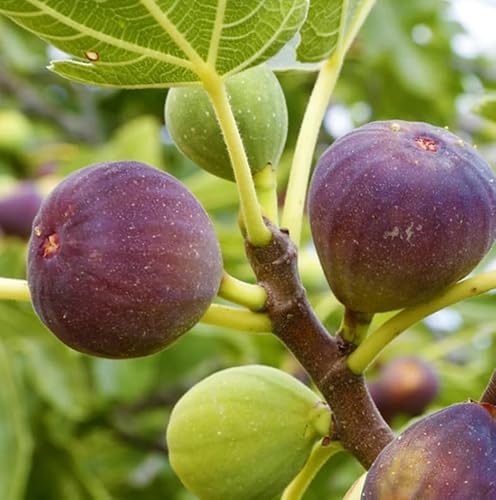
For sale are 2 Brown Turkey Fig Shrubs that are approximately 4-10 inches tall and shipped in quart pots
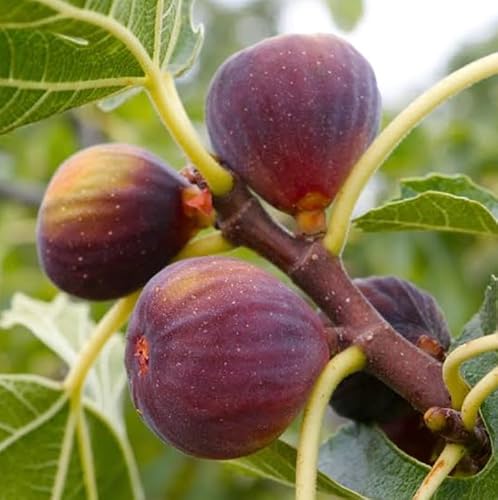
For sale is one Brown Turkey Fig Shrub that is approximately 4-10" tall and shipped in a quart pot
Common Types
- Brown Turkey: This variety is popular for its hardiness and significant yields. It typically starts producing fruit in 2 to 3 years. The figs are sweet and can be enjoyed fresh or dried.
- Celeste: Known for its rich flavor, Celeste figs thrive in a variety of climates. They usually bear fruit earlier than many other types, often within 1 to 2 years of planting.
- Kadota: Often used in canning and drying, Kadota figs produce an abundant harvest. They may take around 3 years to start fruiting and are known for their light green skin and sweet flesh.
- Mission: These figs are rich in flavor, ideal for fresh eating or baking. Mission fig trees typically begin to bear fruit in 3 to 4 years.
- Smyrna: This variety requires pollination from a special wasp species to produce fruit. It can take up to 5 years to see a harvest.
Growth Rates
Growth rates among fig tree varieties can vary significantly. On average, younger trees produce minimal fruit within the first two years. Here’s a general breakdown:
- 1 to 2 Years: Most fig trees focus on establishing roots and may not produce fruit. Some early producers, like Celeste, might offer a few figs.
- 3 to 4 Years: Many common types, such as Brown Turkey and Kadota, start yielding fruit during this period. Expect an increase in both quantity and quality.
- 5 Years and Older: Established trees show robust production, delivering a bountiful harvest each season. Regular pruning and proper care can further enhance output.
By selecting the right variety and understanding their growth rates, you set your fig tree up for successful fruit production in your garden.
Conclusion
Growing a fig tree can be a rewarding experience as you watch it flourish and eventually bear fruit. By understanding the factors that influence fruit production and providing the right care, you’ll increase your chances of enjoying delicious figs sooner. Remember to choose a variety that suits your climate and soil conditions.
With patience and attention, your fig tree can become a fruitful addition to your garden. So get ready to savor the sweet rewards of your efforts and enjoy the journey of nurturing your tree along the way. Happy gardening!
Frequently Asked Questions
How long does it take for a fig tree to produce fruit?
Most fig trees start producing fruit within 2 to 3 years after planting. However, this timeline can vary based on factors like tree variety, climate, and care practices.
What factors influence fig tree fruit production?
The main factors include the variety of the fig tree, environmental conditions (like climate and soil quality), watering practices, pruning techniques, and the tree’s age.
Which fig varieties produce fruit sooner?
Varieties such as Brown Turkey and Celeste can bear fruit within 1 to 2 years under optimal conditions, while others like Smyrna may take up to 5 years due to pollination needs.
How can I maximize my fig tree’s fruit production?
To maximize fruit production, choose a sunny planting location, provide consistent care and watering, apply fertilizer, and protect the tree from pests. Regular pruning also helps.
How do I care for my fig tree?
Ensure well-draining, nutrient-rich soil with a pH of 6.0 to 6.8. Water deeply once a week during dry spells and prune annually in late winter or early spring for healthy growth.
What signs indicate my fig tree is maturing?
Signs that your fig tree is maturing include new growth, the appearance of small buds, and thickening branches. These indicate that your tree may soon produce fruit.
What is the best soil type for growing fig trees?
Fig trees thrive in well-draining, nutrient-rich soil. Adding compost can improve soil quality and provide necessary nutrients for healthy growth and fruit production.
