


Almond trees need bees to make almonds. Unlike some other fruit trees, they can't pollinate themselves. Bees are essential for the reproduction of almond trees.
This unique relationship shows how nature is all connected. Understanding why bees are so important for almond trees is not only interesting but also teaches us about the natural world.
Key Takeaways
- Almond trees rely on cross-pollination for reproduction.
- Bee pollination is crucial for ecosystem balance and the success of the almond industry.
- Bee pollination enhances genetic diversity, crop yields, and nut quality.
- Conserving bee populations is essential to ensure the continued success of almond tree pollination.
Almond Tree Reproduction
If you're curious about how almond trees reproduce, you'll be fascinated to learn about the intricate process that leads to the production of their delicious and nutritious nuts.
Almond tree fertilization begins with the pollination process, which is vital for the development of almonds. Almond trees aren't self-pollinating, so they rely on cross-pollination, usually facilitated by bees.
When the almond tree blossoms, it produces flowers containing both male (anthers) and female (ovaries) parts. Bees visit these flowers to collect nectar and, in the process, transfer pollen from one flower to another, enabling fertilization.
This crucial interaction between bees and almond flowers ensures the formation of almonds. Understanding the significance of this pollination process sheds light on the essential role that bees play in the reproduction and production of almonds.
Importance of Bee Pollination
The intricacies of almond tree reproduction become even more fascinating when you consider the pivotal role that bee pollination plays in the process. The importance of bee pollination cannot be overstated. Bees are crucial for ecosystem balance and the sustainability of almond tree crops. The table below illustrates the significance of bee pollination for almond trees.
| Importance of Bee Pollination | Ecosystem Balance |
|---|---|
| Ensures Fruit Production | Maintains Biodiversity |
| Increases Nut Quality | Supports Wildlife Habitats |
| Promotes Genetic Diversity | Sustains Food Chains |
| Enhances Crop Yield | Preserves Natural Landscapes |
| Contributes to Farm Economy | Balances Ecosystem Services |
Bee pollination not only directly impacts almond tree production but also has far-reaching effects on the environment and agricultural systems, making it an essential component of the ecosystem.
Almond Tree Pollination Process
In the almond tree pollination process, the interplay between blossoms and buzzing wings creates a fascinating dance of reproductive success.
Almond tree growth begins with the emergence of delicate blossoms in early spring. These blossoms contain both male and female reproductive parts, but they can't self-pollinate. This is where the pollination methods come into play.
Bees, primarily honeybees, play a crucial role in this process. As they visit the blossoms in search of nectar and pollen, they inadvertently transfer pollen from one flower to another, enabling fertilization.
This essential interaction between bees and almond blossoms is vital for the production of almonds. Without effective pollination, almond trees wouldn't bear fruit, highlighting the significance of this intricate pollination process in ensuring successful almond production.
Recommended Products

Complete Beehive Supplies and Equipment: Everything You Need in One Kit - Our Sunvara Bee Keeping Starter Kit is a comprehensive package designed for beekeepers of all levels. This kit includes essential beekeeping supplies such as a bee smoker, apiguard, hive tools, and more, making it the perfect choice for beginners and experienced beekeepers alike.
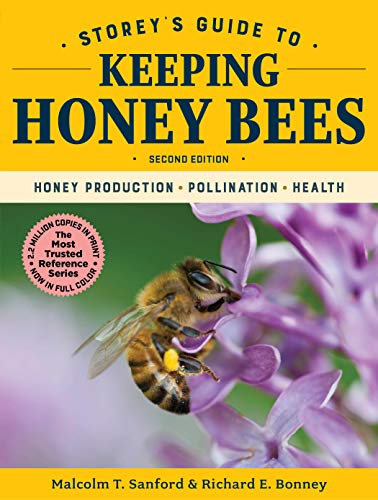

Role of Bees in Almond Production
Bees play a crucial role in ensuring successful almond production through their essential pollination activities, which facilitate the fertilization of almond blossoms. During almond bloom, honeybees exhibit specific behaviors that are beneficial for crop yield. These bees visit almond flowers in search of nectar and pollen, transferring pollen from the anthers of one blossom to the stigma of another as they forage. Their remarkable foraging behavior significantly increases the chances of successful pollination, ultimately leading to higher almond yields. The interaction between bees and almond blossoms is vital for the production of healthy and abundant almond crops. Here's a table illustrating the key behaviors of bees that contribute to almond production:
| Bee Behavior | Impact on Almond Production |
|---|---|
| Pollen transfer | Facilitates fertilization |
| Foraging patterns | Enhances cross-pollination |
| Nectar collection | Attracts bees for pollination |
| Hive proximity | Ensures consistent pollination |
Understanding and appreciating the role of bees in almond production is essential for ensuring sustainable and fruitful harvests.
Recommended Products


Benefits of Bee Pollination
After understanding the pivotal role of bees in ensuring successful almond production, it becomes evident that their pollination activities offer numerous benefits to the overall health and abundance of almond crops.
Bee pollination enhances the genetic diversity of almond trees, leading to improved crop yields and quality. This process also results in more uniform and symmetrical nuts, which are highly desirable in the market.
Additionally, bee pollination contributes to the environmental impact by promoting the growth of wildflowers and other plants in the vicinity of almond orchards, thus supporting biodiversity and ecosystem stability.
Furthermore, the interconnectedness of various plant species through bee pollination fosters a healthier and more sustainable agricultural environment.
Conclusion
In appreciating the delicious almonds we enjoy, let's not forget the vital role of bees in their production. These industrious insects are essential for pollinating almond trees, ensuring a steady supply of the nuts we love.
Supporting our important pollinators isn't only crucial for almond production but also for the health of our ecosystems. Let's continue to value and safeguard the role of bees for the sake of our almond supply and the balance of nature.

1 Comment
Is bee pollination still required in the new varieties of “self-fertile” almonds like the Marinada?