

Ever wondered what keeps your fruit trees healthy and thriving? Just like us, these trees need the right nutrients to grow strong and produce delicious fruits. If you’ve ever faced issues like stunted growth or poor fruit yield, you might be missing the key ingredients that nourish your trees.
Key Takeaways
- Essential Nutrients: Fruit trees require key nutrients such as nitrogen, phosphorus, and potassium to grow strong and produce quality fruits. Micronutrients like magnesium, calcium, and iron are also crucial for overall health.
- Soil Quality: Healthy soil pH (ideally between 6.0 and 6.8) and composition are vital for optimal nutrient absorption. Regular soil tests can help identify nutrient deficiencies and allow for necessary amendments.
- Watering Practices: Deep, infrequent watering is recommended to encourage robust root development. Most fruit trees need about 1-2 inches of water per week, particularly during dry spells.
- Fertilization Techniques: Utilizing both organic and synthetic fertilizers can provide necessary nutrients. Organic options like compost and manure improve soil health, while synthetic fertilizers deliver quick results when applied correctly.
- Pest and Disease Management: Regular monitoring for pests and diseases is essential to protect nutrient absorption and ensure tree health. Implementing integrated pest management strategies can help maintain a healthy fruit tree ecosystem.
- Seasonal Care: Tailoring care practices to seasonal changes, such as pruning in late winter and ensuring proper moisture during summer, enhances tree vitality and increases fruit yield.
Understanding Fruit Trees
Fruit trees require a balanced diet to thrive. They absorb nutrients from the soil and require sufficient sunlight and water to grow successfully. Here’s a closer look at what makes up their nutritional needs.
Essential Nutrients
Fruit trees need several key nutrients to produce healthy fruit. The primary nutrients include:
- Nitrogen: Promotes leaf growth and overall vigor.
- Phosphorus: Supports root development and flowering.
- Potassium: Enhances fruit quality and disease resistance.
Secondary nutrients and micronutrients, like magnesium, calcium, and iron, play roles too. Each nutrient contributes to different aspects of the tree’s health.
Soil Quality
Healthy soil is crucial for fruit trees. Check the soil’s pH, ideally between 6.0 and 6.8. Conduct soil tests to determine nutrient deficiencies. Amend soil with organic matter or compost to improve fertility.
Watering Practices
Watering deeply but infrequently encourages strong root development. Most fruit trees need 1-2 inches of water weekly, especially during dry spells. Mulching around the base of the tree retains moisture and suppresses weeds.
Fertilizing Fruit Trees
Fertilizing provides a nutrient boost. Use a balanced fertilizer specifically formulated for fruit trees, following package instructions. Usually, you’ll apply it in early spring before new growth begins.
Pest and Disease Management
Keep an eye on tree health by monitoring for pests and diseases. Regular inspections and appropriate treatments can prevent major issues that affect nutrient absorption. Consider integrating pest management strategies, like introducing beneficial insects.
Seasonal Care
Adapting care practices seasonally impacts fruit trees’ health. Prune trees in late winter for shape and airflow, and ensure adequate watering during hot summer months. In fall, clear fallen leaves and debris to reduce disease risk.
By understanding these aspects, you can ensure your fruit trees receive all the nourishment they need for robust growth and fruitful harvests.
Essential Nutrients for Fruit Trees
Fruit trees require a mix of essential nutrients for healthy growth and fruit production. Proper nutrition helps trees thrive, leading to robust yields. Understanding both macronutrients and micronutrients is crucial for successful fruit tree care.
Macronutrients
Macronutrients provide the foundational nourishment your fruit trees need.
- Nitrogen: Promotes leaf growth and overall vitality. A nitrogen-rich fertilizer helps enhance foliage, crucial for photosynthesis. Apply during early spring for optimal results.
- Phosphorus: Supports root development and flowering. Use phosphorus to encourage strong root systems and improve fruit set. Bone meal is a great organic source.
- Potassium: Enhances fruit quality and disease resistance. Potassium improves the sweetness and size of fruits. Look for fertilizers with high potassium content during fruit development stages.
Micronutrients
Micronutrients, though needed in smaller quantities, play vital roles in your fruit trees’ health.
- Magnesium: Vital for chlorophyll production, magnesium deficiency can lead to yellowing leaves. Epsom salt serves as a simple magnesium supplement.
- Calcium: Supports cell wall structure and root health. Adequate calcium levels prevent blossom end rot in fruits like tomatoes. Calcium can be provided through lime or gypsum.
- Iron: Crucial for photosynthesis and leafy green vigor. If leaves show yellowing while veins remain green, iron deficiency may be the issue. Chelated iron supplements improve availability in the soil.
By ensuring your fruit trees receive these essential nutrients, you’ll foster a robust environment for growth, leading to an abundant harvest. Regular soil testing helps identify nutrient deficiencies, allowing you to tailor your fertilization strategy effectively.
Soil Health and Its Impact
Healthy soil significantly influences the growth and productivity of fruit trees. Well-nourished trees thrive and yield delicious fruits. Understanding soil health involves examining soil composition and pH levels.
Recommended Products

Accurate Soil pH Testing: Dewildetradingco Soil pH Test Strips offer measurements of soil pH levels (pH 3.5-9). As an essential tool for every gardener and grower, these test strips help determine the optimal pH for various plants, such as outdoor plants, indoor plants, gardens, grass lawns, fruit trees, flowers, vegetables, and forest shrubs.

KNOW BEFORE YOU GROW | Grow the healthiest, sustainable lawn and garden with the most accurate and easy to use professional soil test kit on the market

Kindly NOTE: This soil tester can not be applied to test pH value of any other liquid. If the soil is too dry the indicator will not move, and water it before testing.
Soil Composition
Soil composition involves several components essential for fruit tree health, including mineral content, organic matter, air, and water.
- Minerals: Key nutrients like nitrogen, phosphorus, and potassium need to be present.
- Organic Matter: Compost and decomposed materials enhance nutrient retention and feed beneficial microorganisms.
- Air: Well-aerated soil allows roots to breathe and uptake nutrients effectively.
- Water: Adequate moisture is vital for nutrient absorption.
Improving soil composition requires mulching and adding organic matter to boost the soil’s fertility and structure. Conducting regular soil tests helps you identify deficiencies and adjust your soil management practices.
pH Levels
Soil pH significantly affects nutrient availability. Most fruit trees flourish in pH levels ranging from 6.0 to 6.8.
- Acidic Soil (pH < 6.0): Nutrient uptake can decrease, potentially leading to deficiencies in vital nutrients like calcium and magnesium.
- Alkaline Soil (pH > 6.8): Some nutrients, like iron, may become less available, causing problems like chlorosis, which leads to yellowing leaves.
You can adjust soil pH using amendments. Lime raises the pH, while sulfur lowers it. Regular testing allows you to maintain optimal pH, ensuring your trees receive necessary nutrients for robust growth and fruit production.
Watering Practices
Proper watering practices are crucial for the health and productivity of fruit trees. Sufficient moisture supports robust growth and enhances fruit quality. Understanding how to effectively water your trees ensures they receive the nutrients they need.
Recommended Products

【INNOVATIVE 2-IN-1 TREE CLEANING & ROOT WATERING SYSTEM】 This unique 6.5FT spray pipe system is specially designed to spray water directly onto fruits, leaves, and delicate ornamental trees, helping remove dust, pollen, and surface residue. The falling water then naturally soaks into the soil, providing efficient root irrigation at the same time
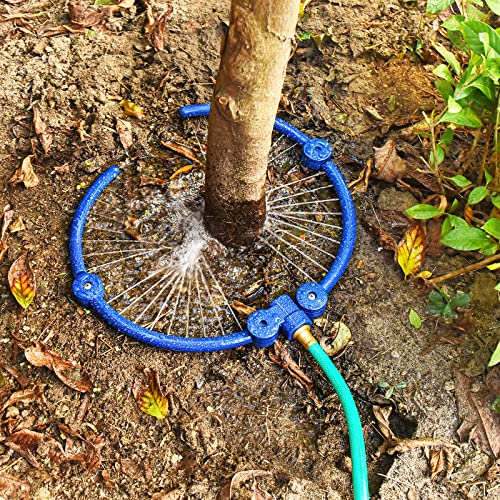
【Specially Designed for Trees and Shrubs】 The Watering Ring is a multi-purpose irrigation ring that attaches to a garden hose to efficiently water young trees shrubs vegetables or flower beds using drip or trickle irrigation.It directs water to the root perimeter of the plant to give them a good start during the first two growing seasons or through periods of drought.

Convenient and portable storage kit contains 102 professional grade universal Drip irrigation parts
Importance of Water
Water plays a vital role in several physiological processes in fruit trees. It assists in nutrient absorption, photosynthesis, and temperature regulation. When trees lack water, you may notice signs like wilting leaves, dropped fruits, or stunted growth. Maintaining consistent moisture helps prevent these issues and promotes vibrant, healthy trees.
Irrigation Methods
Selecting the right irrigation method can make a significant impact on your fruit trees’ health. Consider the following options:
- Drip Irrigation: Delivers water directly to the root zone. This method minimizes waste and reduces the risk of fungal diseases by keeping foliage dry.
- Soaker Hoses: Provides a slow release of water to the soil. Soaker hoses are easy to set up and can be placed around the base of trees for deep watering.
- Hand Watering: Suitable for small orchards or individual trees. Use a hose or watering can to provide water directly to the base of the tree, ensuring moisture penetrates the root zone.
- Sprinkler Systems: While effective for large areas, sprinklers can lead to water evaporating before reaching the roots. Use them with caution, aiming to water early in the morning or later in the evening.
In all methods, aim for deep but infrequent watering. This encourages roots to grow deeper in search of moisture, enhancing the tree’s resilience to drought. Check soil moisture regularly to adjust your watering schedule based on rainfall and temperature, keeping the soil consistently moist but not waterlogged.
Fertilization Techniques
Fertilization is crucial for your fruit trees’ health and productivity. Understanding the types of fertilizers and when to apply them helps ensure optimum growth and fruit yield.
Recommended Products

Nutrient-Rich Organic Compost for Healthy Soil: Support stronger plant growth with this premium organic compost made from dairy cow manure. This all purpose soil amendment helps replenish essential nutrients often depleted after harvests, making it ideal for vegetable gardens, fruit trees, flowers, lawns and container plants.

Natural and Organic Hand Crafted Blend

NUTRIENT-RICH GROWTH: Premium cow manure compost packed with nitrogen, calcium, and iron. This organic compost fertilizer enriches soil, boosts microbial life, and supports bigger vegetables, greener lawns, and thriving flowers.
Organic Fertilizers
Organic fertilizers offer natural nutrition for your fruit trees. They improve soil structure and health while providing essential nutrients over time. Common options include:
- Compost: Incorporate well-rotted compost into the soil in early spring. It enhances soil quality and adds nutrients.
- Manure: Animal manure, particularly from cows or chickens, enriches the soil. Apply it in the fall to allow nutrients to integrate before spring growth.
- Bone Meal: This powder provides phosphorus, promoting strong root development. Sprinkle it during the planting process or in early spring.
- Blood Meal: Rich in nitrogen, blood meal supports leafy growth. Use it sparingly to avoid excess nitrogen levels.
Apply organic fertilizers at recommended rates, according to product guidelines. Regularly monitor your trees’ health to adjust the fertilizer as needed.
Synthetic Fertilizers
Synthetic fertilizers deliver concentrated nutrients. They act quickly, providing immediate results. However, they require careful application to avoid nutrient overload. Opt for balanced NPK (Nitrogen, Phosphorus, Potassium) fertilizers. Examples include:
- 10-10-10 Fertilizer: This all-purpose formula supports general growth. Apply in early spring to invigorate your trees.
- 5-10-10 Fertilizer: Chosen for fruit-bearing trees, it promotes bloom and fruit quality. Use during the flowering stage for best results.
- Slow-Release Fertilizers: These gradually nourish trees over time. Apply in early spring for sustained feeding throughout the growing season.
Always follow the manufacturer’s recommendations for dosage and frequency. Over-fertilizing can harm your trees and reduce fruit yield. Regular soil testing ensures you’re applying the right type and amount of fertilizer for optimal growth.
Conclusion
Taking care of your fruit trees means understanding their nutritional needs. By providing the right balance of nutrients water and sunlight you can help them thrive and produce delicious fruits. Regular soil testing and appropriate fertilization will set the stage for healthy growth.
Don’t forget the importance of proper watering practices and maintaining good soil health. With a little attention and care your fruit trees will reward you with bountiful harvests. Happy gardening and enjoy the fruits of your labor!
Frequently Asked Questions
What nutrients do fruit trees need for healthy growth?
Fruit trees require essential macronutrients like nitrogen for leaf growth, phosphorus for root development, and potassium for fruit quality. They also benefit from secondary nutrients such as magnesium, calcium, and iron. Ensuring a balanced intake of these nutrients fosters robust growth and increases fruit yield.
How often should I water my fruit trees?
Fruit trees should be watered deeply but infrequently to promote healthy root development. Regularly check the soil moisture and aim for consistent moisture levels without overwatering. Mulch can be used to retain soil moisture and reduce watering frequency.
What is the ideal soil pH for fruit trees?
The ideal soil pH for most fruit trees ranges from 6.0 to 6.8. Soil outside this range can affect nutrient availability. Regular soil testing can help you monitor pH levels and determine if amendments are needed to adjust them.
When is the best time to fertilize fruit trees?
The best time to fertilize fruit trees is in early spring before new growth begins. This timing helps boost nutrient levels as trees prepare for the growing season. Using a balanced fertilizer tailored to the tree’s needs can significantly enhance growth and fruit production.
How can I improve the soil health for fruit trees?
Improving soil health involves adding organic matter, such as compost or mulch, which enhances soil composition and nutrient retention. Regular soil testing can pinpoint deficiencies, and adjusting pH levels and nutrient content can promote better growth for fruit trees.
What are some common irrigation methods for fruit trees?
Common irrigation methods include drip irrigation, soaker hoses, hand watering, and sprinkler systems. Each method has unique advantages, and the choice depends on your garden’s size, water availability, and specific needs of the fruit trees.
How can I manage pests and diseases in fruit trees?
Regular inspections and integrated pest management strategies are essential for managing pests and diseases. This includes monitoring for signs of trouble and applying appropriate treatments when necessary. Maintaining overall tree health through fertilization and proper watering helps increase resistance to disease.
