
Close Menu
    Fruit Tree Hub
    • Home
    • Apple Trees
    • Lemon Trees
    • Mango Trees
    • Orange Trees
    • More Trees
      • Best Fruit Trees
      • Apricot Trees
      • Cherry Trees
      • Fig Trees
      • Lime Trees
      • Mulberry Trees
      • Peach Trees
      • Pear Trees
      • Plum Trees
      • Pomegranate Trees
    • Tips and Advice
      • Tools
    • About Us
      • Contact
      • Privacy Policy
    Fruit Tree Hub
    Home»Climbing Fruit»Cucamelon»What Do Cucamelon Plants Look Like? Discover Their Unique Characteristics and Culinary Appeal
    Cucamelon

    What Do Cucamelon Plants Look Like? Discover Their Unique Characteristics and Culinary Appeal

    Lucy SmithBy Lucy SmithJuly 11, 20246 Mins Read
    Share Facebook Twitter Pinterest WhatsApp Email
    Share
    Facebook Twitter LinkedIn Pinterest Telegram Email

    Have you ever wondered what cucamelon plants look like? Picture this: a delightful fusion of cucumber and watermelon, in a miniature package. The vibrant green vines twist and climb, showcasing tiny fruits that resemble adorable doll-sized watermelons.

    Contents show
    1 Key Takeaways
    2 Understanding Cucamelon Plants
    2.1 General Characteristics
    2.2 Unique Physical Features
    3 Growth Patterns of Cucamelon Plants
    3.1 Germination Process
    3.2 Growth Stages
    4 Cucamelon Plant Care
    4.1 Ideal Soil Conditions
    4.2 Watering and Sunlight Requirements
    5 Common Uses and Benefits
    6 Conclusion
    7 Frequently Asked Questions
    7.1 What are cucamelon plants?
    7.2 What are the growth requirements for cucamelon plants?
    7.3 How should I care for cucamelon plants?
    7.4 How can I use cucamelons in cooking?
    7.5 Are there any additional benefits of growing cucamelons?

    Key Takeaways

    • Cucamelon plants are a delightful fusion of cucumber and watermelon, with miniature grape-sized fruits resembling tiny watermelons.
    • These plants require ample space to spread out and climb, thrive in warm climates, and need plenty of sunlight for optimal fruit production.
    • Understanding the germination process and growth stages of cucamelon plants can help cultivate them successfully, leading to flavorful fruits for snacking or salads.
    • Providing ideal soil conditions, adequate sunlight exposure, and proper watering practices are crucial for the care and thriving growth of cucamelon plants.
    • Common uses of cucamelons include snacking, adding to salads, pickling, using as garnishes for dishes or cocktails, and as an educational tool for gardening skills.

    Understanding Cucamelon Plants

    Cucamelon plants have distinct characteristics that set them apart from other plants in your garden. Let’s delve into what makes these plants unique.

    Recommended Products

    75 Cucamelon Heirloom Vegetable Seeds for Planting, Melothria Scabra | Mexican Sour Gherkin Seeds, Gherkin Cucumber, Mexican Mini Watermelon, Heirloom Seeds for Indoor, Outdoor Garden, Containers
    75 Cucamelon Heirloom Vegetable Seeds for Planting, Melothria Scabra | Mexican Sour Gherkin Seeds, Gherkin Cucumber, Mexican Mini Watermelon, Heirloom Seeds for Indoor, Outdoor Garden, Containers

    High Germination Rate: cucamelons seeds sprout in 10-14 days at 70 °F, Full sun, Start inside 4 weeks before last frost or outdoors in warm soil. Sow 1/4" deep, space 9-12" apart – perfect climbing cucumber seeds for patio or vegetable garden.

    MUST READ
    How Long Does It Take for Cucamelon Seeds to Germinate? Expert Tips and Timeline
    VIEW LATEST PRICE

    As an affiliate, we earn on qualifying purchases.

    Sow Right Seeds - Cucamelon Seed for Planting Mexican Sour Gherkins | Plant rare non-GMO heirloom mouse melon for outdoor home vegetable garden. Grow unique veggie variety for outside gardening.
    Sow Right Seeds - Cucamelon Seed for Planting Mexican Sour Gherkins | Plant rare non-GMO heirloom mouse melon for outdoor home vegetable garden. Grow unique veggie variety for outside gardening.

    Beautiful – Large premium packet of Cucamelon (Melothria scabra) seeds. Also known as Mexican Sour Gherkin, cucamelon is a unique, vining plant that produces small, cucumber-like fruits with a tangy, citrusy flavor. Perfect for pickling, salads, or snacking, these little fruits are a fun addition to any garden. Minimum of 200 mg per packet (about 65 seeds).

    VIEW LATEST PRICE

    As an affiliate, we earn on qualifying purchases.

    Cucumber Collection Heirloom Vegetable Seeds for Planting | Lemon Cucumber, Cucamelon Seed Packets, Heirloom Seeds, Vegetable Seeds for Trellises, Raised Bed, Vegetable Garden, Pickling
    Cucumber Collection Heirloom Vegetable Seeds for Planting | Lemon Cucumber, Cucamelon Seed Packets, Heirloom Seeds, Vegetable Seeds for Trellises, Raised Bed, Vegetable Garden, Pickling

    2 Variety Cucumber Seed Collection – Includes lemon cucumber seeds and cucamelon seeds for planting (mexican sour gherkin seeds), a fun heirloom set with round yellow slicers and cucumber vines for summer harvests.

    VIEW LATEST PRICE

    As an affiliate, we earn on qualifying purchases.

    General Characteristics

    Cucamelon plants are known for their vigorous growth and sprawling vines. They require ample space to spread out and climb, so ensure you provide them with suitable support structures like trellises or cages.

    These plants thrive in warm climates and need plenty of sunlight to produce an abundance of fruit. Make sure to plant them in well-draining soil enriched with organic matter for optimal growth.

    Unique Physical Features

    The most striking feature of cucamelon plants is their small, grape-sized fruits that resemble miniature watermelons. These tiny fruits have a refreshing flavor that combines the essence of cucumber with a hint of tanginess, making them perfect for snacking or adding to salads.

    Additionally, the vibrant green foliage of cucamelon plants adds a touch of beauty to your garden landscape. The delicate tendrils twist and climb, creating an enchanting visual display as they grow and develop.

    MUST READ
    What to Plant with Cucamelon: Companion Planting Tips for a Thriving Garden

    Incorporate these charming cucamelon plants into your garden for a delightful addition that not only looks attractive but also provides you with a unique culinary experience.

    Growth Patterns of Cucamelon Plants

    Cucamelon plants exhibit distinct growth patterns that make them a unique addition to your garden. Understanding their germination process and growth stages can help you cultivate these delightful miniature fruits successfully.

    Recommended Products

    joyhalo 40 Cell Seed Starter Kit with Grow Light and Heating Mat | Graphene Heating Mat, Reusable Seed Starter Tray, 4.7" Higher Humidity Domes, Garden Plant Germination Station
    joyhalo 40 Cell Seed Starter Kit with Grow Light and Heating Mat | Graphene Heating Mat, Reusable Seed Starter Tray, 4.7" Higher Humidity Domes, Garden Plant Germination Station

    Graphene Seed Heat Mat for Faster Germination: Compared to traditional electric heating mats, our graphene heat mat heats up faster and more evenly, with a built-in timer for convenience. It creates the ideal environment for indoor seed starting trays, greenhouse seed germination, and hydroponic plant propagation. Designed for indoor gardening, this waterproof and reusable heat mat accelerates growth and improves seedling survival rates.

    VIEW LATEST PRICE

    As an affiliate, we earn on qualifying purchases.

    Bonviee Seed Starter Trays with 12-LED Grow Lights, Green, 5 Pack | 5 Seed Starter Kits, 60 Cells, 12-LED Grow Light per Tray, Vented Humidity Domes, Drainage Holes, 1-to-5 USB Cable
    Bonviee Seed Starter Trays with 12-LED Grow Lights, Green, 5 Pack | 5 Seed Starter Kits, 60 Cells, 12-LED Grow Light per Tray, Vented Humidity Domes, Drainage Holes, 1-to-5 USB Cable

    12-LED GROW LIGHT PER TRAY — Each of the five seed starting trays features a full-spectrum grow light with 12 LED beads, providing supplemental light for indoor seedlings.

    VIEW LATEST PRICE

    As an affiliate, we earn on qualifying purchases.

    Burpee 72 Cell Seed Starting Kit with Greenhouse Dome and Coir Pellets | Indoor greenhouse kit with 72 coir pellets and humidity dome for starting vegetable, herb and flower seeds with less mess
    Burpee 72 Cell Seed Starting Kit with Greenhouse Dome and Coir Pellets | Indoor greenhouse kit with 72 coir pellets and humidity dome for starting vegetable, herb and flower seeds with less mess

    INDOOR SEED STARTING KIT: Complete growing set includes two 36-cell planting trays, one water reservoir tray, 72 super growing pellets, and a dome greenhouse cover. An easy and efficient way to start seeds indoors! Use to grow your favorite herbs, vegetables and flowers.

    MUST READ
    Where Can I Get Cucamelon Seeds? Tips for Sourcing and Growing Quality Seeds
    VIEW LATEST PRICE

    As an affiliate, we earn on qualifying purchases.

    Germination Process

    When planting cucamelon seeds, ensure they are sown in warm soil with consistent moisture. It usually takes about 7-14 days for the seeds to germinate. You’ll notice tiny seedlings emerging from the soil, signaling the start of your cucamelon plant’s journey.

    Growth Stages

    As your cucamelon plant grows, it goes through various stages of development. Initially, it will produce delicate vines that sprawl outwards, seeking support as they grow. The plant will then start forming its distinctive grape-sized fruits that resemble mini watermelons but taste like cucumbers with a hint of tanginess.

    By understanding the germination process and growth stages of cucamelon plants, you can nurture these charming vines to yield an abundance of flavorful fruits for snacking or adding a unique touch to your salads.

    Cucamelon Plant Care

    Taking care of your cucamelon plants is crucial to ensure a bountiful harvest of these delightful miniature fruits. Here’s how you can provide the ideal conditions for your plants to thrive.

    Recommended Products
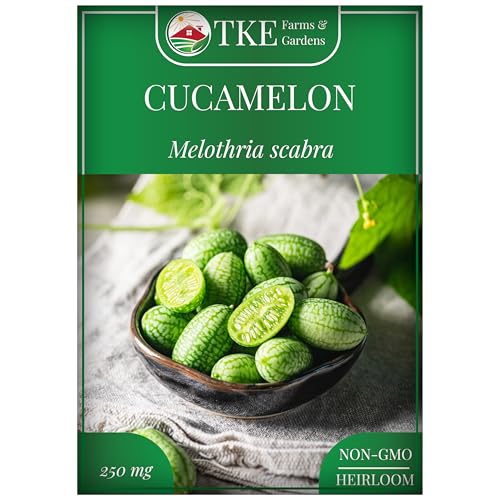
    TKE Farms & Gardens - Cucamelon Seeds for Planting, 75 Heirloom Non GMO Seeds, Mexican Sour Gherkin Mouse Melon, Delicious Mini Fruits, Easy to Grow, Includes Instructions, Rare Garden Seeds, 1 Pack
    TKE Farms & Gardens - Cucamelon Seeds for Planting, 75 Heirloom Non GMO Seeds, Mexican Sour Gherkin Mouse Melon, Delicious Mini Fruits, Easy to Grow, Includes Instructions, Rare Garden Seeds, 1 Pack

    EASY TO GROW - INSTRUCTIONS INCLUDED: Perfect for both beginners and experienced gardeners, these cucamelon seeds are easy to grow. With straightforward instructions, you’ll cultivate a lush crop of bite-sized fruits—great for snacking straight off the vine or adding a twist to dishes.

    VIEW LATEST PRICE

    As an affiliate, we earn on qualifying purchases.

    100 Seeds Cucamelon Seeds, Mexican Sour Gherkin, Mini Watermelon,Heirloom - Garden Planting - by Mai's Family
    100 Seeds Cucamelon Seeds, Mexican Sour Gherkin, Mini Watermelon,Heirloom - Garden Planting - by Mai's Family

    VARIETY: Cucamelon seeds (Melothria Scabra) produce unique grape-sized fruits that look like tiny watermelons and taste like cucumber with a tangy citrus twist

    VIEW LATEST PRICE

    As an affiliate, we earn on qualifying purchases.

    Cucamelon Seeds for Planting – Mexican Sour Gherkin (1 Pack) | Heirloom Mini Watermelon Cucumber Annual Fruit Seed – Heirloom Non-GMO Cucamelons - Survival Garden Seeds
    Cucamelon Seeds for Planting – Mexican Sour Gherkin (1 Pack) | Heirloom Mini Watermelon Cucumber Annual Fruit Seed – Heirloom Non-GMO Cucamelons - Survival Garden Seeds

    UNIQUE MINI FRUIT VARIETY - Cucamelon seeds grow grape sized fruits that look like tiny watermelons with a crisp cucumber flavor, fun to eat fresh pickle or add to salads

    MUST READ
    Storing Cucamelon Tubers: Tips to Preserve Nutrient-Rich Energy Reserves
    VIEW LATEST PRICE

    As an affiliate, we earn on qualifying purchases.

    Ideal Soil Conditions

    When it comes to soil, cucamelon plants prefer well-draining soil that is rich in organic matter. Aim for a slightly acidic to neutral pH level around 6.0-7.0 for optimal growth. Consider adding compost or aged manure to improve soil fertility and structure, providing essential nutrients for healthy plant development.

    Watering and Sunlight Requirements

    Cucamelons enjoy full sun exposure, so make sure they receive at least 6-8 hours of sunlight daily. However, they also require consistent moisture levels to flourish. Water your plants deeply but infrequently, allowing the soil to dry out slightly between waterings to prevent root rot. Mulching around the base of the plants can help retain moisture and regulate soil temperature.

    By ensuring your cucamelon plants have the right soil conditions, adequate sunlight, and proper watering practices, you’ll be on your way to growing a thriving crop of these unique and flavorful miniature fruits in your garden.

    Common Uses and Benefits

    Cucamelon plants offer a range of benefits beyond their unique appearance and taste. Here are some common uses and advantages of cultivating these miniature fruits in your garden:

    • Snacking: Cucamelons make for a perfect healthy snack option. Their small size and refreshing flavor make them ideal for munching on straight from the vine.
    • Salads: Add a twist to your salads by including cucamelons. Their crunchy texture and tangy taste can complement various salad ingredients, adding an interesting element to your dish.
    • Pickling: Cucamelons are excellent for pickling due to their size and firmness. They can be pickled whole or sliced, offering a flavorful addition to your pickling recipes.
    • Garnishes: Use cucamelons as decorative garnishes for cocktails, appetizers, or even main dishes. Their unique appearance adds a touch of whimsy to any culinary creation.
    • Educational Tool: Growing cucamelon plants can be an educational experience, especially for children. It provides an opportunity to learn about different plant varieties and encourages gardening skills.
    MUST READ
    Growing Cucamelon in Pots: Tips for Successful Cultivation and Harvest

    By exploring these various uses and benefits of cucamelon plants, you can not only enjoy their distinctive flavor but also enhance your culinary repertoire with this versatile fruit.

    Conclusion

    You’ve now discovered the captivating world of cucamelon plants. These little wonders bring a burst of flavor to your dishes and a touch of uniqueness to your garden. By following the care guidelines and providing them with the right conditions, you can enjoy a bountiful harvest of these delightful fruits. Whether you’re snacking on them, adding them to salads, pickling them, or using them as cute garnishes, cucamelons are sure to impress with their versatility. So why not give growing cucamelons a try? They’ll not only enhance your culinary creations but also bring joy to your gardening experience. Happy planting!

    Frequently Asked Questions

    What are cucamelon plants?

    Cucamelon plants are small grape-sized fruits that resemble tiny watermelons. They are also known as “mouse melons” or “Mexican sour gherkins.”

    What are the growth requirements for cucamelon plants?

    Cucamelon plants require ample space, sunlight, and well-draining soil to thrive. They prefer warm temperatures and benefit from trellising for support.

    How should I care for cucamelon plants?

    Provide cucamelon plants with ideal soil conditions, regular watering, and adequate sunlight exposure. Avoid overwatering to prevent root rot.

    How can I use cucamelons in cooking?

    Cucamelons can be enjoyed fresh as a snack, added to salads for a crunchy texture, pickled for tanginess, or used as garnishes in cocktails and dishes.

    Are there any additional benefits of growing cucamelons?

    Growing cucamelons can be a fun educational experience for children and add a unique flavor profile to various culinary creations.

    Share. Facebook Twitter Pinterest LinkedIn Tumblr Email
    lucy smith
    Lucy Smith
    • Website

    Lucy Smith is a highly experienced horticulturist with a passion for fruit tree cultivation. She holds a degree in Horticulture from the University of California, Davis, and has worked in various roles in the industry. With over 10 years of experience, Lucy is dedicated to using eco-friendly methods for sustainable gardening practices.

    Related Posts

    How Big Does a Cucamelon Grow? Cultivation Tips and Harvesting Guide

    July 14, 2024

    How to Grow Cucamelon in Pots: Cultivation Tips for Limited Spaces

    July 14, 2024

    How to Plant a Cucamelon: A Comprehensive Guide to Growing and Harvesting Mexican Sour Gherkins

    July 13, 2024

    How Big Does a Cucamelon Plant Get? Cultivation Guide for Optimal Growth

    July 13, 2024

    Where to Buy Cucamelon Seeds Near Me: A Complete Guide for Gardeners

    July 13, 2024

    Where to Buy Cucamelon Plants: Your Ultimate Guide to Sourcing Healthy Seedlings

    July 13, 2024
    Leave A Reply Cancel Reply

    Affiliate Disclosure

    As an Amazon Associate I earn from qualifying purchases.

    Recommended Reading

    How to Root a Fruit Tree Cutting: Step-by-Step Guide for Successful Propagation

    Can Apple Trees Grow in Colorado Springs, CO? Altitude Advice

    How to Make Tea with Grapefruit Tree Leaves: Health Benefits Revealed

    Growing Walnut Trees in Nebraska: Success in the Heartland

    How to Grow Dwarf Nectarine Trees: Tips for Small Spaces and Juicy Rewards

    When to Transplant Black Raspberries for Healthy Growth and Fruit Production

    When Do You Spray Fruit Trees for Insects: A Complete Guide to Timing and Techniques

    How to Graft Fruit Tree: A Step-by-Step Guide for Gardeners to Maximize Harvests

    Are Fruit Trees Annuals or Perennials: Understanding Their Lifespan and Care Needs

    When Do Kiwi Plants Flower: Key Indicators and Optimal Care Tips

    Fruit Tree Hub

    Fruit Tree Hub is a website dedicated to providing you everything you need to grow fruit trees successfully at in your own yard.

    Contact us at: [email protected]

    - AFFILIATE DISCLOSURE: As an Amazon Associate I earn from qualifying purchases.

    Latest Posts

    18 Coastal Crochet Tops in White and Neutral Shades

    16 Retro Crochet Tops Built Around Multicolor Granny Squares

    16 Modest Crochet Tops Featuring Higher Necklines

    19 Cottagecore Crochet Tops With Square Necklines

    13 Ruffled Crochet Tops With Flared Hems

    19 Lace Crochet Tops Featuring Intricate Openwork

    14 Floral Crochet Tops Inspired by Botanical Motifs

    20 Boho Crochet Halter Tops for Festival Outfits

    Categories
    • Almond Trees
    • Apple Trees
    • Apricot Trees
    • Best Fruit Trees
    • Blackberry
    • Cantaloupe
    • Cherry Trees
    • Christmas Crochet Ideas
    • Crochet Bag Ideas
    • Crochet Blanket Ideas
    • Crochet Dress Ideas
    • Crochet Ideas
    • Crochet Ideas for Beginners
    • Crochet Top Ideas
    • Cucamelon
    • Easy Crochet Ideas
    • Easy Knitting Projects
    • Fall Crochet Ideas
    • Fig Trees
    • Grapefruit Trees
    • Grapes
    • Guava Trees
    • Halloween Crochet Ideas
    • Honeydew
    • Jujube Trees
    • Kiwi
    • Knitting For Beginners
    • Knitting Ideas
    • Knitting Inspiration
    • Lemon Trees
    • Lime Trees
    • Loquat Trees
    • Mango Trees
    • Mulberry Trees
    • Nectarine Trees
    • Olive Trees
    • Orange Trees
    • Papaya Trees
    • Peach Trees
    • Pear Trees
    • Persimmon Trees
    • Planting
    • Plum Trees
    • Pomegranate Trees
    • Quince Trees
    • Raspberry
    • Reviews
    • Small Crochet Ideas
    • Star Fruit Trees
    • Summer Crochet Ideas
    • Tamarind Trees
    • Tangerine Trees
    • Tips and Advice
    • Tools
    • Uncategorized
    • Walnut Trees
    • Winter Crochet Ideas
    © 2026 Fruit Tree Hub
    • Home
    • About Us
    • Contact
    • Privacy Policy
    • Terms and Conditions
    • Disclaimer
    • Editorial Policy
    • Affiliate Disclosure

    Type above and press Enter to search. Press Esc to cancel.