

Have you ever dreamed of picking fresh fruit right from your backyard? Growing your own fruit trees can be a rewarding experience, but it can also feel overwhelming if you’re not sure where to start. Luckily, some fruit trees are easier to grow than others, making them perfect for beginners or those with limited gardening experience.
Key Takeaways
- Select Easy-to-Grow Varieties: Start with beginner-friendly fruit trees like apple, peach, and fig, which require minimal care and thrive in various climates.
- Provide Optimal Growing Conditions: Ensure your fruit trees receive full sun, well-draining soil, and adequate watering to promote healthy growth and fruit production.
- Regular Pruning is Essential: Prune trees annually to remove dead branches, shape the tree, and thin fruit clusters for improved air circulation and larger fruit.
- Practice Consistent Care: Implement proper fertilization, mulching, and pest management strategies to keep your fruit trees healthy and productive.
- Patience is Key: Be prepared to wait 3 to 6 years for your trees to bear fruit after planting, depending on the variety you choose.
- Monitor Soil Health: Conduct soil tests to maintain optimal pH levels and enhance soil quality with organic matter for better fruit tree growth.
What Are the Easiest Fruit Trees to Grow
Growing fruit trees can be simple and enjoyable. Below are some of the easiest varieties that thrive with minimal care.
Recommended Products

FORMULATED FOR CITRUS AND FRUIT TREES: Use these citrus fertilizer spikes on apple, orange, lemon, lime, and avocado trees; this formula is also great for feeding palm trees


Comprehensive Protection : Weed removal, hedge trimmers and animals can cause irreversible damage to young trees.Our plastic tree trunk protectors provide complete defense, effectively isolating saplings from potential harm caused by deer, rabbits,cats, squirrels, rodents, and lawn mowers
1. Apple Trees
Apple trees are popular and adaptable. Choose varieties like ‘Honeycrisp’ or ‘Granny Smith.’ These trees need full sun and well-draining soil. Prune them annually for better airflow.
2. Peach Trees
Peach trees, such as ‘Elberta’ and ‘Redhaven,’ flourish in warmer climates. They appreciate sunny spots and moderate watering. Harvest peaches when they’re firm yet slightly soft.
3. Blackberry Bushes
Blackberry plants act as bushes rather than trees but provide bountiful fruit. They thrive in sunny locations and require trellising for support. Prune back canes after fruiting for better growth.
4. Fig Trees
Fig trees are low-maintenance and prefer warm, dry conditions. Varieties like ‘Kadota’ and ‘Brown Turkey’ adapt well to various soils. Water them during dry spells, and you’ll enjoy sweet figs in summer.
5. Citrus Trees
Citrus trees, such as lemons and limes, thrive in well-drained soil. Plant ‘Improved Meyer’ lemon or ‘Persian’ lime for easier maintenance. Regular watering and fertilizing promote healthy growth.
6. Cherry Trees
Choose sweet varieties like ‘Stella’ for easy care. Cherry trees require full sun and well-drained soil. They’ll reward you with beautiful blossoms and delicious fruit.
- Site Selection: Pick a spot with plenty of sunlight and good drainage.
- Watering Routine: Water newly planted trees regularly until established.
- Mulching: Use organic mulch to retain moisture and control weeds.
- Fertilizing: Apply a balanced fertilizer annually in early spring.
These trees provide fruitful rewards with proper care. Begin with any of these varieties for a successful gardening experience.
Top Easiest Fruit Trees
Growing fruit trees can be simple and rewarding, especially when you choose varieties that thrive with minimal fuss. Here are some of the easiest fruit trees for beginners.
Recommended Products

🌳 3-Pack Fruit Tree Bundle Includes live apple, blueberry, blackberry trees—perfectly paired for a diverse and productive backyard orchard.

BEGINNER-FRIENDLY & EASY TO GROW – Perfect for first-time bonsai growers, simple planting and care instructions
Apple Trees
Apple trees adapt well to various climates and are resilient in growth. Look for disease-resistant varieties like ‘Fuji’ or ‘Honeycrisp.’ Plant them in full sunlight and ensure well-drained soil. Regular pruning promotes air circulation and fruit quality. Expect your first crop within 3 to 5 years.
Pear Trees
Pear trees, such as ‘Bartlett’ and ‘Bosc,’ thrive in similar conditions to apple trees. They prefer full sun and well-drained soil. Minimal care is needed; just apply mulch to retain moisture and suppress weeds. Trees typically produce fruit in 3 to 6 years.
Peach Trees
Peach trees, including ‘Elberta’ and ‘Redhaven,’ flourish in warmer climates. Plant them in a sunny location with well-draining soil. Regular watering helps establish roots. You can enjoy peaches within 3 to 4 years of planting. Pruning promotes healthy growth and better fruit production.
Selecting the right trees, providing consistent care, and being patient leads to a fruitful garden.
Growing Conditions for Fruit Trees
Growing fruit trees requires attention to several key conditions to ensure your success. Understanding these factors helps you create an environment where your trees can thrive and produce fruit.
Sunlight Requirements
Fruit trees generally need full sun for optimal growth. Aim for at least 6-8 hours of direct sunlight daily. You’ll notice that trees like apple and peach perform best in sunny spots. If you’re in a region with limited sunlight, consider choosing varieties that tolerate partial shade, such as sour cherry trees.
Soil Types
Soil quality significantly affects fruit tree health. Well-draining soil is essential to prevent root rot. You can enhance soil quality by mixing organic matter, like compost. Most fruit trees prefer slightly acidic to neutral pH levels between 6.0 and 7.0. Conduct a soil test to determine the pH and make necessary amendments. Peach and fig trees adapt well to sandy soils, while apple trees flourish in loamy conditions.
Watering Needs
Consistent watering plays a crucial role in fruit tree development. Newly planted trees require regular watering until they establish roots, usually within the first year. You may need to water deeply once a week, ensuring moisture reaches the root zone. Established trees need less frequent watering, roughly every two weeks, depending on rainfall. Keep an eye on the soil; if it feels dry an inch down, it’s time to water. Citrus trees may need more frequent irrigation, especially in hot climates.
By considering these growing conditions—sunlight, soil, and watering—you’ll pave the way for healthy fruit trees that yield delicious harvests.
Care and Maintenance of Fruit Trees
Keeping fruit trees healthy requires some attention. Following the right care practices helps you enjoy a bountiful harvest.
Recommended Products

★ 1. What you get: Professional convenient grafting tool set including a dual-use grafting pruner tool contain 2 extra replaceable blades, a wrench and a screwdriver, along with 36pcs wide rubber bands, 150 thick rubber bands and 1 grafting tape, packed in a black wallet to meet all your needs

UPGRAFE PROFESSIONAL GARDENING GRAFTING TOOLS: Professional grafting set, including 2 in 1 grafting pruning tools, 3 replaceable blades, a grafting knife, a pruning shears, a screwdriver, a wrench, 3 grafting films, and 45 colorful tag cards

Professional Grafting Tool: This gardening grafting tool kit includes 2 in 1 grafting pruning tool and 3 replaceable blades. The 3 replaceable graft cutting blades (Ω-Cut & U-Cut & V-Cut) for cutting fruit branches with diameters from 5 mm to 12 mm. Precise and perfect cutting improves survival rate.
Pruning Techniques
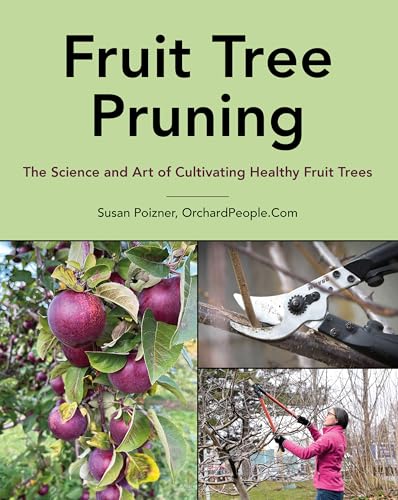
Pruning fruit trees encourages healthy growth and increases fruit production. Start pruning during the dormant season, typically late winter or early spring. Focus on these key techniques:
- Remove Dead or Weak Branches: Cut off branches that are dead, broken, or crossing over each other. This improves airflow and light penetration.
- Shape the Tree: Maintain an open center for good air circulation. Keep the tree balanced by removing excess growth from the sides and top.
- Thin the Fruit: Thin out young fruit clusters to ensure that remaining fruits grow larger and ripen well. Aim for one fruit per cluster.
Pruning promotes better yields and helps prevent disease by keeping the tree healthy.
Pest Control Strategies
Managing pests protects your fruit trees from damage. Use integrated pest management (IPM) for effective and environmentally friendly control. Consider these strategies:
- Monitor Regularly: Inspect your trees for signs of pests or damage. Early detection prevents widespread infestations.
- Encourage Beneficial Insects: Attract ladybugs and lacewings to your garden. These insects feed on harmful pests, reducing their numbers naturally.
- Use Organic Treatments: Apply neem oil or insecticidal soap as a natural remedy for common pests like aphids and spider mites. Follow the manufacturer’s instructions for effective application.
Implementing these pest control strategies safeguards your trees while promoting a thriving ecosystem.
Conclusion
Growing fruit trees can be a delightful journey that rewards you with fresh produce right from your backyard. By choosing the easiest varieties like apple and peach trees you’ll set yourself up for success even as a beginner.
Remember that proper care and attention will go a long way in ensuring your trees thrive. With a little patience and the right practices you’ll soon enjoy the fruits of your labor. So grab your gardening tools and get ready to watch your garden flourish!
Frequently Asked Questions
What are the easiest fruit trees to grow for beginners?
Growing fruit trees can be simple for beginners. Some of the easiest options include apple trees, peach trees, blackberry bushes, fig trees, citrus trees, and cherry trees. These trees require less maintenance and are forgiving, making them ideal for those new to gardening.
How much sunlight do fruit trees need?
Fruit trees typically need full sun, requiring at least 6-8 hours of direct sunlight daily. Adequate sunlight is crucial for their growth and fruit production, so choose a planting location that maximizes exposure to sunlight.
How often should I water my fruit trees?
Newly planted fruit trees need regular watering to establish roots, usually requiring moisture every week. Established trees generally require less frequent watering, but pay attention to specific needs, especially for citrus trees in hot climates.
What type of soil is best for fruit trees?
Fruit trees thrive in well-draining soil that is slightly acidic to neutral, ideally with a pH of 6.0 to 7.0. Conducting a soil test can help you determine if amendments, like organic matter, are needed to improve soil quality.
When should I prune my fruit trees?
Prune fruit trees during the dormant season, typically in late winter. Focus on removing dead or weak branches, shaping the tree for better air circulation, and thinning fruit clusters to promote healthier growth and fruit production.
How can I manage pests on my fruit trees?
Implement integrated pest management (IPM) strategies, which include regular monitoring of your trees, promoting beneficial insects, and using organic treatments to reduce damage. This holistic approach keeps your trees healthy while minimizing pest issues.
What should I fertilize my fruit trees with?
Fertilizing fruit trees annually is essential for their growth. Use a balanced fertilizer suitable for fruiting trees, and consider organic options. Always follow the manufacturer’s instructions and adjust based on your soil condition and tree needs.
