

Have you ever dreamed of picking juicy, ripe cantaloupes right from your backyard? Picture this: your own raised bed bursting with sweet, flavorful melons just waiting to be enjoyed. Imagine the satisfaction of growing your own fresh produce and savoring the fruits of your labor. In this article, you’ll discover how simple it can be to cultivate delicious cantaloupes in a raised bed.
Struggling to find space for a traditional garden? Want to avoid back-breaking work in the soil? Growing cantaloupes in a raised bed might be the solution you’ve been searching for. With our easy-to-follow tips and guidance, you’ll learn how to maximize your harvest and relish the taste of homegrown melons all season long. Get ready to elevate your gardening game and reap the rewards of cultivating cantaloupes in a raised bed.
Key Takeaways
- Choose the right location: Position your raised bed in a sunny spot with well-draining soil for optimal cantaloupe growth.
- Provide ample space: Ensure each cantaloupe plant has 24-36 inches of space to prevent overcrowding and disease.
- Prepare the raised bed: Use rot-resistant materials like cedar, and create a balanced soil mix for healthy plant development.
- Plant at the right time: Wait until after the last frost date, sow seeds in mounds, and thin out seedlings for robust growth.
- Care for your plants: Maintain consistent moisture, fertilize appropriately, manage pests organically, and prevent fungal diseases.
- Harvest and store correctly: Look for ripeness indicators, harvest gently using pruning shears, and store ripe cantaloupes properly to enjoy fresh fruits longer.
Choosing the Right Location for Raised Bed Cantaloupe
When selecting the ideal spot for your raised bed cantaloupe, consider these essential factors to ensure a bountiful harvest.
Assessing Sunlight and Soil Conditions
Position your raised bed in an area that receives at least 6-8 hours of sunlight daily. Cantaloupes thrive in full sun, so choose a location with ample light exposure throughout the day. Additionally, ensure the soil is well-draining to prevent waterlogging, which can lead to root rot. Test the soil pH level to confirm it falls within the optimal range of 6.0-6.8 for cantaloupes.
Space Requirements for Cantaloupe
Cantaloupes require adequate space to spread out and grow efficiently. Each plant needs about 24-36 inches of space between them to allow for proper airflow and prevent overcrowding, which can lead to disease development. Plan your raised bed layout accordingly, ensuring enough room for each cantaloupe vine to sprawl without competing for resources.
Preparing Your Raised Bed
When it comes to growing cantaloupes in a raised bed, proper preparation is key to ensuring a successful harvest. Here are essential steps to get your raised bed ready for planting delicious cantaloupes.
Recommended Products

OUTDOOR POTTING SOIL: Miracle-Gro Organic Outdoor Potting Mix contains a quick-release natural plant fertilizer and also feeds plants for up to 2 months

FOR USE: Ideal for raised garden beds and outdoor containers.

ALL-NATURAL MIX: Burpee Organic Premium Potting Mix is formulated with plant food & coconut coir to promote seed & root growth and healthy flower, vegetable & herb plants. OMRI Listed for organic use.
Choosing Your Raised Bed Material
Selecting the right material for your raised bed is crucial for the health of your cantaloupe plants. Opt for materials like cedar or redwood that are naturally rot-resistant and safe for growing edibles. These materials provide durability and longevity to your raised bed, ensuring a stable environment for your cantaloupes.
Optimal Soil Mix for Cantaloupes
Creating the perfect soil mix is vital for the growth and development of healthy cantaloupe plants. Mix equal parts of garden soil, compost, and perlite or vermiculite to ensure good drainage and nutrient-rich soil. This well-balanced mix promotes strong root development and optimal fruit production throughout the season.
Prepare your raised bed thoughtfully by choosing suitable materials and creating an ideal soil mix to set the stage for thriving cantaloupe plants in your garden.
Planting Cantaloupes in Raised Beds
When to Plant Cantaloupes
It’s best to plant cantaloupes in raised beds after the last frost date in your area. These warm-season plants thrive in temperatures above 70°F (21°C). Wait until the soil has warmed up and there is no risk of frost before planting your cantaloupe seeds or seedlings.
Techniques for Sowing Seeds
To sow cantaloupe seeds, create small mounds in the raised bed spaced about 24-36 inches apart. Each mound should have 4-6 seeds planted at a depth of around 1 inch. Once planted, gently water the seeds and keep the soil consistently moist but not waterlogged.
For better germination rates, consider using row covers to protect the young plants from pests and provide warmth during cooler nights. As the seedlings grow, thin them out to leave only the healthiest one per mound. This ensures that each plant gets enough space and nutrients to develop into robust vines that bear delicious cantaloupes.
Recommended Products
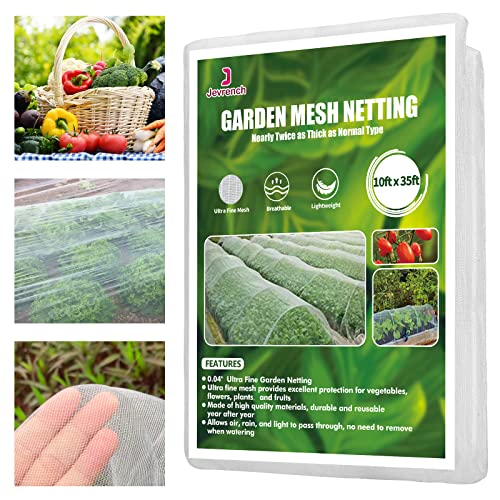
Defend Against Unwanted Visitors: Gardening is a rewarding and fulfilling endeavor, and you'll watch your plants grow from nothing to maturity before you finally harvest them. Once the plants begin to flower and bear fruit, these unwelcome visitors visit your garden and often leave a trail of destruction. Garden netting is the best choice for protecting your plants

【ALL-AROUND PLANT PROTECTION】 Protect your vegetables, fruits, flowers, and seedlings from birds, insects, rabbits, squirrels, and other garden pests with this raised garden bed plant protectors. The fine mesh design creates a protective barrier while allowing sunlight, air and water to reach your plants for healthy growth.

Abundant Supply: the package contains 4 outdoor plant covers and 24 ground stakes; This ensures a sufficient quantity to fulfill the protection requirements for your indoor and outdoor plants, supporting quick creation of a secured growing space for your vegetables, fruits and newly transplanted seedlings
Caring for Cantaloupe Plants
Cantaloupe plants require proper care to thrive and produce sweet, juicy fruits. Here’s how you can ensure your cantaloupe plants are healthy and productive:
Recommended Products

MULTI-PURPOSE BUG KILLER - Bonide Neem Oil is a perfect pest control solution for any garden dealing with mites, flies, mildew, and more. This product is a three-in-one fungicide, miticide, and insecticide.

PLANT DISEASE CONTROL: Natria Neem Oil acts as an insecticide and fungicide in one convenient spray; Ready-to-use trigger sprayer requires no mixing

FOR ORGANIC GARDENING - Captain Jack's NeemMax is a perfect pest control solution for any garden dealing with mites, flies, mildew, and more. This product is a four-in-one insecticide, fungicide, miticide, and nematicide.
Watering and Fertilizing Requirements
Watering: Cantaloupe plants need consistent moisture, especially during the fruiting stage. Ensure the soil is evenly moist but not waterlogged. Water at the base of the plant in the morning to prevent fungal diseases.
Fertilizing: Provide a balanced fertilizer when planting cantaloupes and side dress with additional fertilizer as they grow. A fertilizer high in potassium can promote fruit development. Avoid over-fertilizing, as it can lead to lush foliage but poor fruit set.
Managing Pests and Diseases
Pests: Keep an eye out for common pests like aphids, cucumber beetles, and spider mites that can damage cantaloupe plants. Use insecticidal soap or neem oil to control pests organically.
Diseases: Prevent fungal diseases by spacing plants adequately for good air circulation and avoiding overhead watering. Powdery mildew is a common issue; treat it with fungicides labeled for cucurbits.
By following these tips on watering, fertilizing, pest control, and disease management, you can enjoy a bountiful harvest of delicious cantaloupes from your raised bed garden.
Harvesting and Storing Cantaloupes
When it comes to harvesting and storing cantaloupes, knowing the signs of ripeness, following proper harvesting techniques, and implementing storage best practices are crucial to enjoy the fruits of your labor. Here’s what you need to know:
Signs of Ripeness
To determine if your cantaloupes are ready for harvest, look for these indicators:
- Sweet Smell: Ripe cantaloupes emit a sweet fragrance from the blossom end.
- Color Change: The rind color changes from green to beige or yellow when ripe.
- Netting Texture: The skin’s netting becomes more pronounced as the fruit matures.
- Drying Stem: The stem near the fruit should start to dry out.
Tips for Harvesting
Follow these tips for optimal harvesting:
- Use Pruning Shears: Cut the stem about an inch above the fruit rather than twisting it off.
- Timing is Key: Harvest when the melon easily detaches from the vine with a gentle twist.
- Check Daily: Regularly check for ripeness as cantaloupes can quickly become overripe.
Storage Best Practices
Proper storage ensures your cantaloupes stay fresh longer:
- Room Temperature: Keep uncut cantaloupes at room temperature until ripe.
- Refrigeration: Once ripe, store cut cantaloupe in an airtight container in the refrigerator for up to five days.
- Avoid Moisture: Store whole melons away from moisture to prevent mold growth.
By paying attention to these harvesting and storage guidelines, you’ll be able to savor delicious homegrown cantaloupes straight from your raised bed garden.
Conclusion
Growing cantaloupe in a raised bed can be a rewarding experience. By following the steps outlined in this article, you’ll set yourself up for success from preparing the bed to harvesting your juicy fruits. Remember to provide proper care, maintain moisture levels, and watch out for pests and diseases. With attention and dedication, you’ll soon enjoy the sweet taste of homegrown cantaloupes. Happy gardening!
Frequently Asked Questions
How should I prepare a raised bed for growing cantaloupes?
To prepare a raised bed for cantaloupes, use well-draining soil mix rich in organic matter and ensure good sunlight exposure.
What are some key tips for caring for cantaloupe plants?
Key tips include consistent watering to maintain moisture levels, using balanced fertilizers, practicing organic pest control methods, and preventing fungal diseases.
How can I tell when cantaloupes are ready to be harvested?
Look out for signs of ripeness like fragrance, color change, netting texture on the skin, and stem drying out before harvesting with pruning shears.
What is the best way to store harvested cantaloupes?
Store uncut cantaloupes at room temperature and refrigerate cut ones. Avoid moisture to prevent mold growth during storage.
