

Wondering when to prune your fruit trees in the UK? You’re not alone. Many gardeners struggle with the timing, fearing they might harm their trees or miss the perfect window for a bountiful harvest.
Pruning at the right time can mean the difference between a healthy tree and one that produces lackluster fruit. In this article, you’ll discover the best practices for pruning your fruit trees, ensuring they thrive and yield delicious results. Whether you’re a seasoned gardener or just starting out, you’ll find tips that suit your needs and help you grow the fruit trees of your dreams.
Key Takeaways
- Optimal Pruning Season: The best time to prune fruit trees in the UK is during the dormant season (December to March) for pome fruits and late winter or early spring for stone fruits to minimize stress and disease risk.
- Importance of Pruning Techniques: Proper pruning enhances tree health, light exposure, airflow, fruit quality, and overall structure, promoting greater yields and resilience against environmental stress.
- Species-Specific Needs: Different fruit tree species have unique pruning requirements; understanding these needs, such as when to prune apple versus pear trees, is crucial for optimal growth and fruit production.
- Weather Considerations: Prune on mild, dry days, avoiding extremes of temperature or wet conditions to reduce the risk of winter injury and fungal infections.
- Common Mistakes: Avoid over-pruning (no more than 25% in a season) and pruning at inappropriate times, as these can weaken the tree and negatively affect fruit yield and quality.
- Regular Maintenance: Consistent, thoughtful pruning is essential for maintaining the health and productivity of fruit trees, leading to a thriving garden with delicious fruit yields.
Understanding Fruit Tree Pruning
Pruning fruit trees is essential for maintaining their health and maximizing fruit production. Knowing when and how to prune can enhance the overall vitality of your trees.
Importance of Pruning
Pruning plays a crucial role in the growth and development of fruit trees. By removing dead or diseased branches, you prevent the spread of pests and diseases. Pruning also improves air circulation, which reduces the risk of fungal infections. Additionally, shaping the tree encourages stronger growth and more substantial fruit production. Regular pruning helps establish a strong framework for the tree, making it easier for sunlight to reach all parts.
Benefits for Tree Health
Healthy fruit trees produce better yields and withstand environmental stress more effectively. Regular pruning leads to numerous benefits, such as:
- Improved Light Exposure: Ensures that all branches receive adequate sunlight, which is vital for photosynthesis.
- Enhanced Airflow: Increases airflow through the canopy, reducing humidity and lowering disease risk.
- Better Fruit Quality: Focuses energy on fewer fruits, leading to larger and tastier produce.
- Stronger Structure: Develops a more robust tree structure, making it less susceptible to wind damage and breakage.
Remember, proper pruning techniques significantly influence the health and productivity of your fruit trees.
Best Time to Prune Fruit Trees in the UK
Pruning fruit trees at the right time promotes healthy growth and fruitful harvests. The UK climate presents specific seasons for effective pruning.
Winter Pruning
Winter pruning occurs while trees are dormant, typically from December to March. This timing minimizes stress on the trees and allows for easier visibility of their structure. Remove dead, diseased, or damaged branches first. Then, focus on thinning dense areas to improve airflow. Aim for an open center, allowing sunlight to reach all parts of the tree. For stone fruit trees, like cherries and plums, wait until late winter or early spring to reduce the risk of infection. Use sharp, clean tools to make precise cuts for better healing.
Summer Pruning
Summer pruning takes place from June to August. This technique controls growth and shapes the tree while foliage is robust. Summer pruning helps manage size and promotes fruit production. Focus on removing water sprouts—those fast-growing shoots that emerge in the wrong places. Thin out overcrowded branches, allowing light to penetrate and air to circulate. This timing boosts sun exposure, enhancing fruit color and flavor. Remember to avoid heavy pruning during late summer, as it can lead to new growth that may not harden before winter.
Factors Influencing Pruning Timing
Understanding the factors that influence pruning timing helps you optimize your fruit tree care. These considerations include tree species and weather conditions.
Tree Species
Different fruit tree species require varied pruning times. For example, stone fruits, like cherries and plums, thrive with late winter or early spring pruning. This timing reduces the risk of disease. In contrast, pome fruits, such as apples and pears, benefit from winter pruning while dormant. Knowing the specific pruning needs for each tree type improves their health and fruit production.
Weather Conditions
Weather significantly impacts when you prune your fruit trees. Aim for mild days when the temperature is above freezing. This approach reduces stress on the trees and lowers the risk of winter injury. Also, avoid pruning during wet weather, as this may encourage fungal diseases. Paying attention to local forecasts ensures you select the best days for pruning.
Following these guidelines aligns your pruning efforts with the unique needs of your trees and climate conditions, fostering better growth and fruit quality.
Pruning Techniques for Different Fruit Trees
Pruning techniques vary by fruit tree type, impacting their growth and fruit production. Proper methods ensure healthier trees and better yields.
Recommended Products

[Cut & Hold Pole Pruner for Tree Trimming] This long reach cut and hold pruner makes it easy to grip and remove branches, flowers, or fruit without dropping them. Perfect as a pole fruit picker for harvesting lemons, oranges, apples, or persimmons, and for trimming shrubs and bushes without climbing a ladder.

Package Includes: Come with 24 pieces of fruit branch forms stronger branches. which can be used to pull the branches flat, and fruit trees can absorb sunlight, ventilation and fruitfulness.
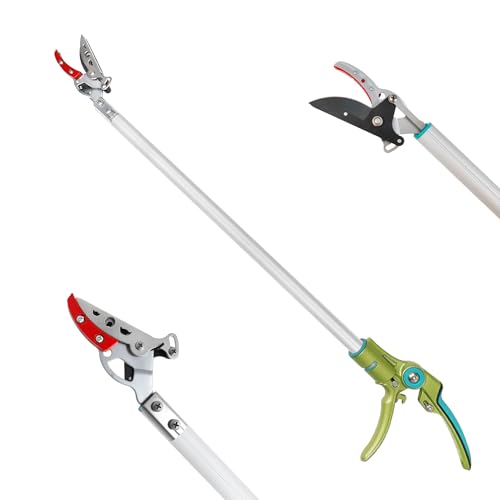
[REACH HIGH & STAY SAFE](No Ladder Required) Say goodbye to wobbly ladders! This 32inch long reach pole pruner offers an extra 30 inches of safe reach, allowing you to prune high branches or tall fruit trees while standing firmly on the ground. It’s the perfect extension tool for maintaining your backyard without the risk of falling.
Apple Trees
Prune apple trees during the dormant season, typically between December and March. This timing minimizes stress and allows for clear visibility of tree structure. Follow these steps:
- Remove Dead or Damaged Branches: Start with any broken or diseased limbs. This action prevents the spread of disease.
- Thin Crowded Areas: Identify areas where branches overlap or crowd one another. Thin these areas to improve air circulation.
- Shape the Tree: Aim for an open-center shape. This form ensures sunlight reaches inner branches.
- Cut Back New Growth: Trim back excessive new growth to encourage robust fruit production.
Aim to maintain a balanced structure, allowing the tree sufficient airflow and sunlight. It’s essential to prune after the coldest weather but before buds swell.
Pear Trees
Pear trees also thrive with winter pruning, making December through March the ideal pruning window. Implement these practices:
- Eliminate Weaker Branches: Focus on removing less vigorous branches to direct energy to stronger limbs.
- Encourage a Central Leader: Select a strong, upright central leader branch. This leader supports the tree’s growth.
- Manage Heading Cuts: Make heading cuts on long branches. This technique promotes lateral growth, which leads to more fruiting spurs.
- Do Not Over-prune: Avoid excessive pruning, as it can reduce fruit yields.
For pear trees, aim for a structure that allows uniform light penetration, enhancing overall fruit quality and tree health. Pruning at the right time promotes optimal growth and fruit development.
Common Mistakes to Avoid
Avoiding common mistakes when pruning fruit trees helps enhance their health and productivity. Here are key points to keep in mind.
Recommended Products

1:EXTENDABLE REACH FOR LADDER-FREE SAFETY – Acting as both a reliable tree pruner and a fruit picker pole, this tool effortlessly extends from 3.28 to 5.25 FT to reach high branches up to 10 FT from the ground. The innovative rotating and locking head allows for precise angles without unstable ladders or risky stretching, ensuring maximum safety.


Over-Pruning
Over-pruning can damage the tree and reduce fruit production. Aim to remove no more than 25% of the tree’s total structure in one season. You risk stressing the tree if you take off too many branches; this leads to weaker growth and decreased yields. Always prioritize removing dead, damaged, or crowded branches first. Maintain a balanced approach when shaping the tree. Prune selectively to encourage healthy airflow and light penetration.
Pruning at the Wrong Time
Pruning at the wrong time can hinder growth and fruit quality. Winter pruning is ideal for dormant trees, ensuring minimal stress. Avoid pruning during late frost periods, as this can expose fresh cuts to cold damage. For stone fruits, timing is crucial; they need pruning in late winter or early spring. Pruning during the wrong season may increase vulnerability to pests and diseases, impacting overall tree health. Pay attention to weather conditions and choose mild, dry days for pruning. This timing reduces the risk of fungal infections and promotes better healing.
Conclusion
Pruning your fruit trees at the right time can make all the difference in their health and productivity. By following the seasonal guidelines and considering the specific needs of your trees you can encourage stronger growth and better fruit quality.
Remember to stay mindful of weather conditions and avoid over-pruning to keep your trees thriving. With a little care and attention your fruit trees will reward you with bountiful harvests year after year. Happy pruning and enjoy the fruits of your labor!
Frequently Asked Questions
When is the best time to prune fruit trees in the UK?
The optimal time to prune most fruit trees in the UK is during the dormant season, from December to March. This timing minimizes stress on the tree and allows for better visibility of its structure. For stone fruit trees like cherries and plums, wait until late winter or early spring to prune.
Why is pruning important for fruit trees?
Pruning is essential for maintaining the health and vitality of fruit trees. It helps remove dead or diseased branches, improves air circulation, encourages stronger growth, and maximizes fruit production. Proper pruning also prevents pests and diseases, leading to healthier trees and better fruit quality.
What are the key pruning techniques for apple trees?
For apple trees, prune during the dormant season by removing dead or damaged branches, thinning out crowded areas, and shaping the tree for an open center. Additionally, cut back excessive new growth to promote better air circulation and sunlight penetration, enhancing overall tree health and fruit quality.
What common mistakes should I avoid when pruning fruit trees?
Avoid over-pruning, which can harm the tree and reduce its fruit production. Limit your cuts to no more than 25% of the tree’s structure in one season. Also, time your pruning carefully to avoid periods of late frost, which can damage fresh cuts.
How do weather conditions affect pruning?
Weather conditions play a significant role in pruning timing. It’s best to prune on mild days above freezing and avoid wet weather, as pruning during these times can reduce the risk of fungal diseases. Monitoring local weather helps ensure better healing and successful pruning outcomes.
