

Are you looking to attract deer to your property while adding beauty to your landscape? Planting fruit trees can be a fantastic way to do just that. Not only do these trees provide delicious snacks for your local wildlife, but they also create a vibrant and inviting environment for you to enjoy.
In this article, you’ll discover the best fruit trees that deer love. You’ll learn which varieties thrive in different climates and how to care for them. By the end, you’ll be ready to transform your yard into a deer-friendly haven, enhancing both your outdoor space and your chances of spotting these graceful creatures.
Key Takeaways
- Choose the Right Varieties: Apple, pear, cherry, persimmon, peach, and mulberry trees are top choices for attracting deer, each offering unique fruit types and benefits.
- Understand Your Climate: Select fruit trees that thrive in your local climate and soil conditions to ensure successful growth and fruit production.
- Consider Growth Rates: Fast-growing trees like cherries and mulberries provide quicker food sources for deer, while slower growers like apples yield long-term benefits.
- Plan for Space and Maintenance: Space trees adequately (15-20 feet apart) to promote healthy growth and practice regular maintenance, including pruning and pest management.
- Enhance Your Landscape: Planting fruit trees not only attracts deer but also adds aesthetic beauty to your property, contributing to a vibrant ecosystem.
- Ensure Year-Round Food Supply: Choosing a mix of early and late-season fruit varieties ensures a continuous food source for deer throughout the year.
Overview of Fruit Trees for Deer
Selecting the right fruit trees can attract deer while beautifying your landscape. Deer enjoy a variety of fruits, making specific tree species ideal for cultivation. Consider the following popular fruit trees for attracting deer:
Apple Trees
Apple trees yield fruits that deer find irresistible. Varieties such as ‘Gravenstein’ and ‘Honeycrisp’ produce sweet apples. These trees thrive in regions with ample sunlight and well-drained soil. Plant several trees to ensure a longer fruit-bearing season.
Pear Trees
Pear trees also serve as excellent food sources for deer. ‘Bartlett’ and ‘Kieffer’ are two varieties that bear abundant fruit. These trees adapt well to various soil types and are generally hardy. A mix of early and late-season pears provides a steady food supply.
Cherry Trees
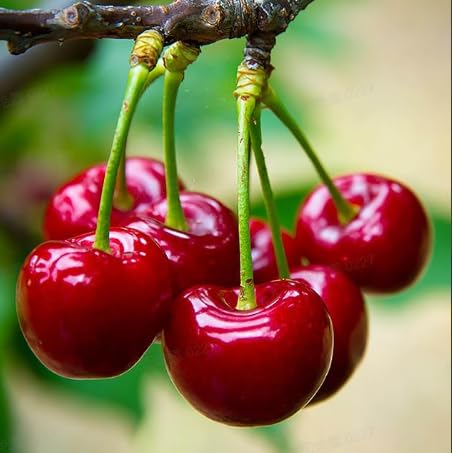
Cherry trees attract deer with their juicy fruits. ‘Bing’ and ‘Early Richmond’ are favorites among deer. They flourish in full sun and require regular pruning to maintain health. A small cherry grove can become a deer hotspot.
Persimmon Trees
Persimmon trees add diversity to your landscape while luring deer. ‘Fuyu’ and ‘Danja’ produce sweet, aromatic fruit. These trees thrive in well-drained, sandy soil and prefer full sunlight. They often bear fruit later in the season, extending food availability.
Peach Trees
Peach trees provide a delectable treat for deer. Varieties like ‘Redhaven’ and ‘Elberta’ produce sweet, juicy fruits. Ensure proper care, including disease management and appropriate pruning, for optimal yield. Early and late-blooming varieties can enhance your chances of attracting deer.
Mulberry Trees
Mulberry trees are excellent for attracting deer, especially with their sweet, dark berries. ‘Illinois Everbearing’ is a common variety. They grow quickly and adapt well to most soils, making them easy to establish. A well-placed mulberry tree offers a food source throughout the summer.
- Location: Choose a site with plenty of sunlight and good drainage.
- Spacing: Allow sufficient space between trees for healthy growth.
- Maintenance: Regularly prune and monitor for pests and diseases.
- Mulching: Apply mulch to retain moisture and suppress weeds.
By planting these fruit trees, you’ll create an inviting environment that attracts deer while enriching your property. Select a mix of varieties tailored to your climate and soil conditions for the best results.
Factors to Consider When Choosing Fruit Trees
Selecting the right fruit trees for your property involves several key factors. Understanding these elements ensures you create an attractive environment for deer while promoting healthy tree growth.
Recommended Products

Product Quantity: 180+ premium bonsai fruit seeds across 5 varieties; Individual packs contain 40+ apple, 40+ lemon, 40+ orange, 20+ blueberry, and 40+ cherry seeds; Perfect for starting a diverse miniature orchard

BEGINNER-FRIENDLY & EASY TO GROW – Perfect for first-time bonsai growers, simple planting and care instructions

4 FRUIT VARIETIES – 100 SEEDS TOTAL: Includes 30 Apple Seeds, 30 Lemon Seeds, 30 Cherry Seeds, and 10 Banana Seeds, individually separated by variety for an exciting fruit-growing collection.
Climate and Soil Conditions
Evaluate your local climate and soil conditions first. Different fruit trees thrive in varied climates. For instance, apple trees prefer temperate regions, while persimmons and mulberries adapt to warmer climates. Conduct a soil test to determine pH and nutrient levels. Some trees, like pears, grow well in a range of soil types, but others may require well-drained soil for optimal growth. Ensure you select trees that match your climate zone and soil conditions for the best results.
Tree Size and Growth Rate
Consider the size and growth rate of the trees you want to plant. Fast-growing trees, such as cherry and mulberry, provide food for deer sooner than slower-growing varieties like apple or pear. However, larger trees may need more space and careful management. Assess the available space in your landscape before choosing. Remember that carefully spaced trees promote healthy growth and reduce competition for resources. Aim for a balance between tree size, growth rate, and available space to create an inviting area for deer.
Top Fruit Trees for Attracting Deer
Planting the right fruit trees can significantly enhance your chances of attracting deer to your property. The following fruit trees stand out for their appeal to deer and adaptability to various climates.
Recommended Products

🌳 3-Pack Fruit Tree Bundle Includes live apple, blueberry, blackberry trees—perfectly paired for a diverse and productive backyard orchard.

Light: Thrives in full sun for best fruit production.

Versatile Fruit Use: The plums produced can be eaten fresh as a snack and are well-suited for home kitchen projects like creating preserves, jams, and baked goods.
Apple Trees
Apple trees (Malus domestica) offer a bounty of fruit that deer love. They thrive in temperate climates and require well-drained soil with a pH of 6.0 to 7.0. When planting, space trees about 15 to 20 feet apart to allow for growth. Consider varieties like Honeycrisp or Granny Smith. They’ll provide a consistent food source during the fall, drawing deer for easy feeding.
Pear Trees
Pear trees (Pyrus communis) attract deer with their sweet, juicy fruits. They adapt well to different soils but prefer slightly acidic to neutral pH levels. Space these trees 20 feet apart to maximize growth. Varieties such as Bartlette and D’Anjou produce abundant fruits. They can also tolerate colder temperatures, making them a suitable choice for northern regions.
Plum Trees
Plum trees (Prunus domestica) are enticing to deer, particularly when the fruit ripens in mid to late summer. They prefer sandy loam soil and thrive in areas with full sun. Keep them about 15 to 20 feet apart. Varieties like Methley and Shiro produce large, sweet plums that deer frequent. Be mindful of proper pruning to maintain an open canopy for good air circulation.
Persimmon Trees
Persimmon trees (Diospyros virginiana) provide deer with a unique food source. They thrive in well-drained soil and prefer a pH between 6.0 and 7.0. Space these trees about 20 feet apart. American persimmons bear delicious, orange fruit in the fall, making them ideal for attracting deer just before winter. Selecting both male and female trees ensures the best fruit production.
Benefits of Planting Fruit Trees for Deer
Planting fruit trees provides numerous benefits for attracting deer and enhancing your property.
Recommended Products
Basic Seed Attributes & Planting Scenarios: 20 Pcs Cherry Tree Seeds, non-GMO heirloom variety, with sweet and tender juicy fruits, suitable for home garden cultivation, and can be planted both indoors and outdoors.

Multi-Variety Seeds: Contains lemon, apple, blueberry, orange, and cherry seeds, totaling over 150 seeds.

🍓 Are pesky critters and birds constantly eyeing your juicy strawberries and blueberries before you get the chance to enjoy them? 🍓 Fear not! Introducing our latest solution – 100Pcs Fruit Protection Bags! Let these Fruit Netting Bags be your berry garden's best friend, keeping your strawberries, blueberries, and other small fruits safe from unwanted visitors and ensuring a bumper crop!
Food Source
Fruit trees serve as a reliable food source. Apples, pears, and cherries produce fruit that deer favor. This consistent supply encourages deer to visit your yard regularly.
Nutritional Value
Fruit from these trees offers high nutritional value, contributing to deer health. The vitamins, minerals, and carbohydrates found in fruits support deer during crucial growing seasons.
Habitat Enhancement
Fruit trees enhance the habitat for deer. They create shaded areas and shelter, making your property more appealing to wildlife. This enrichment promotes a diverse ecosystem.
Aesthetic Appeal
Fruit trees also enhance the visual appeal of your landscape. Their blossoms in spring and colorful fruits in summer add beauty to your environment. This combination attracts both deer and garden enthusiasts alike.
Ecosystem Support
Fruit trees contribute to a healthier ecosystem. Their presence can help attract beneficial insects and birds, which assist in pollination. A vibrant ecosystem further supports deer populations.
Year-Round Interest
Planting a variety of fruit trees ensures year-round interest. Different trees produce fruits at various times, providing continuous food sources throughout the year. This steady supply keeps deer returning.
Seasonal Forage
Deer will benefit from seasonal forage options. Trees like persimmons produce late-season fruits that can be particularly enticing when other food sources are scarce. This ensures deer stay nourished and healthy through changes in their environment.
Consider these benefits when deciding to plant fruit trees. They not only attract deer but also enrich the overall experience of your outdoor space.
Conclusion
Planting fruit trees can transform your property into a deer haven while adding beauty to your landscape. By selecting the right varieties and caring for them properly, you’ll not only attract deer but also create a vibrant ecosystem.
Consider factors like your local climate and soil conditions to ensure your trees thrive. With a bit of planning and patience, you’ll enjoy watching deer visit your yard, all while benefiting from the stunning blooms and delicious fruits your trees provide.
So grab your gardening tools and get started on this rewarding journey. Your outdoor space and the local wildlife will thank you!
Frequently Asked Questions
What are the benefits of planting fruit trees to attract deer?
Planting fruit trees offers deer a reliable food source, enhancing their health and habitat. These trees provide shade, shelter, and support a diverse ecosystem by attracting beneficial insects and birds. Additionally, they beautify your landscape with blossoms and fruits, ensuring year-round interest for both deer and property owners.
Which fruit trees are best for attracting deer?
The best fruit trees for attracting deer include apple, pear, cherry, persimmon, peach, and mulberry. Each of these varieties is known for producing sweet, nutritious fruits that deer enjoy, while also being adaptable to various climates and growing conditions.
How do I choose the right fruit trees for my area?
Selecting the right fruit trees involves assessing your local climate, soil conditions, and available space. For instance, apple trees thrive in temperate regions, while persimmons prefer warmer climates. Conducting a soil test can help determine the best varieties for your property.
How should I care for my fruit trees?
Proper care includes regular watering, maintaining good soil health, and applying mulch to retain moisture. Pruning is essential for growth control and fruit production. Additionally, monitoring for pests and diseases will help ensure your trees remain healthy and productive.
Why is tree spacing important?
Tree spacing is crucial for healthy growth, allowing adequate sunlight, air circulation, and root development. Proper spacing reduces competition for nutrients and water, ensuring that each tree can thrive and produce fruit effectively.
When do fruit trees attract deer the most?
Fruit trees typically attract deer most during their fruiting season. This varies by species; for example, apple and pear trees bear fruit in late summer to early fall, while persimmons can attract deer later in the year, providing food during colder months.
Can fruit trees enhance my landscape?
Yes, fruit trees add aesthetic value to your landscape by providing seasonal blooms and colorful fruits. They create visual interest year-round and contribute to a healthier environment, making your outdoor space both beautiful and functional.
What factors should I consider before planting?
Before planting, consider your local climate, soil type, available sunlight, and space for growth. Research the specific needs of different fruit tree varieties and plan your layout to ensure proper growth and deer attraction.
How do I ensure my fruit trees are healthy?
To ensure healthy fruit trees, regularly assess their water needs, apply mulch for moisture retention, and conduct routine pruning. Additionally, monitor for pests and diseases, and ensure they get adequate sunlight and nutrients to thrive.
What are the seasonal benefits of fruit trees for deer?
Fruit trees offer seasonal benefits by providing a consistent food source throughout the year. Late-season fruits, particularly from persimmons, help sustain deer during fall and winter, ensuring they receive crucial nutrition despite scarce forage options.
