

Banana trees can thrive in Phoenix, AZ with the right strategies to manage desert heat. Key techniques include selecting heat-tolerant varieties, providing adequate shade, and ensuring proper irrigation to maintain moisture levels.
Heat-Resilient Banana Varieties for Phoenix
In the challenging climate of Phoenix, selecting the right banana varieties is crucial for successful cultivation. Heat-resilient options not only thrive under intense sunlight but also withstand the arid conditions typical of the desert. Understanding these varieties can significantly enhance your chances of growing healthy banana trees in this unique environment.
Choosing the right banana tree variety is crucial for success in Phoenix’s extreme temperatures. Some varieties are more resilient to heat and drought than others. Consider the following options:
Dwarf Cavendish: Compact and productive, this variety adapts well to heat.
Orinoco: Known for its hardiness, it withstands stress and produces sweet fruit.
Rajapuri: Thrives in hot climates and offers a rich flavor.
These varieties not only survive but also yield fruit in the challenging desert environment.
Recommended Products
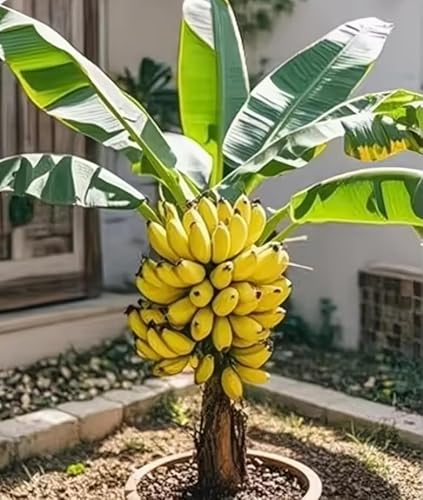
GROWING FACTS: Banana seeds sprout in 2–8 weeks under warm, moist conditions. Rapid germination allows gardeners to enjoy early tropical foliage growth.

Beautiful and exotic banana: Ethiopian banana, Abyssinian banana, pseudo-banana, fake banana and wild banana, is a herbaceous flowering plant species of the Musaceae banana family
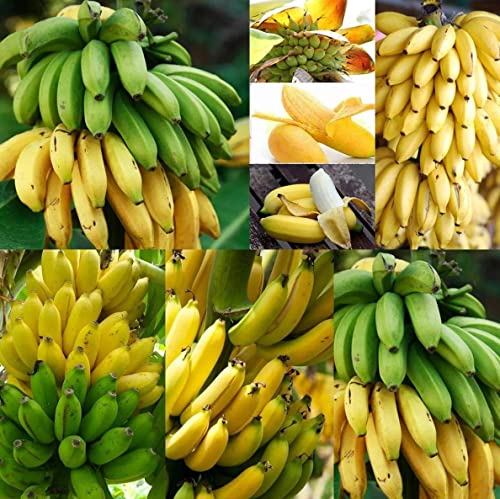
High-quality banana seeds selected for planting and growing healthy tropical banana plants.
Shade Solutions for Phoenix Banana Trees
In the intense heat of Phoenix, providing adequate shade for banana trees is crucial for their survival and productivity. This section explores various effective shade solutions tailored to the unique challenges posed by the desert climate, ensuring these tropical plants thrive despite the harsh conditions. Discover practical strategies to protect your banana trees from the relentless sun.
Providing shade is essential to protect banana trees from intense sun exposure. Direct sunlight can scorch leaves and stunt growth. Implement these strategies:
Use Shade Cloth: Install a shade cloth over the trees during peak sun hours. A 30-50% shade cloth is effective.
Plant Companion Trees: Position taller trees nearby to cast shade during the hottest parts of the day.
Construct a Pergola: Build a structure that allows for climbing vines to provide natural shade.
These methods will help regulate temperature and reduce stress on the plants.
Irrigation Strategies for Banana Trees in Arizona
In the arid climate of Phoenix, effective irrigation is crucial for the successful cultivation of banana trees. Given the region’s intense heat and limited rainfall, understanding the best watering techniques can significantly enhance growth and fruit production. This section explores various irrigation strategies tailored for banana trees thriving in Arizona’s challenging environment.
Irrigation is vital for banana trees, especially in arid climates. Proper watering techniques can significantly impact growth and fruit production. Follow these guidelines:
Drip Irrigation: Install a drip system to provide consistent moisture without waterlogging the roots.
Mulching: Apply organic mulch around the base to retain soil moisture and regulate temperature.
Watering Schedule: Water deeply once or twice a week, adjusting based on rainfall and temperature.
This approach will ensure your banana trees receive adequate hydration while minimizing water waste.
Banana Tree Care Strategies for Desert Heat
Caring for banana trees in the harsh desert climate of Phoenix requires specialized strategies to ensure their survival and growth. With high temperatures and low humidity, understanding the unique needs of these tropical plants is essential for successful cultivation. This section outlines effective care techniques tailored to the challenges posed by the desert environment.
| Care Aspect | Recommended Action | Frequency |
|---|---|---|
| Variety Selection | Choose heat-tolerant types | Once per season |
| Shade Provision | Use shade cloth or companion trees | Daily during summer |
| Irrigation Method | Implement drip irrigation | Weekly |
| Mulching | Apply organic mulch | Annually |
Recommended Products


ADVANCED FORMULA: Emulsifiers built into the formula so you just add water. 100% pure oils require an emulsifier to allow oil and water to mix. Nature's IQ has this already built in so you just add water.

Pest Management for Healthy Banana Trees
Maintaining healthy banana trees in Phoenix’s challenging desert climate requires effective pest management strategies. The unique environment can attract various pests that threaten the vitality of these tropical plants. Understanding how to identify and control these pests is essential for ensuring robust growth and fruit production.
Pest control is essential for maintaining healthy banana trees. Common pests include aphids and spider mites, while diseases like Panama disease can threaten crops. Use these tactics:
Regular Inspections: Check for signs of pests or disease weekly.
Natural Predators: Introduce ladybugs or lacewings to control pest populations.
Organic Pesticides: Use neem oil or insecticidal soap as a preventive measure.
By staying vigilant, you can protect your banana trees from common threats.
Nutrient Strategies for Desert Banana Trees
In the challenging climate of Phoenix, AZ, banana trees require tailored nutrient strategies to thrive amidst the desert heat. Understanding the specific nutritional needs of these plants is essential for successful growth and fruit production, especially in a region where soil quality and water availability can pose significant challenges. This section explores effective nutrient management techniques to support healthy banana trees in arid conditions.
Fertilization supports healthy growth and fruit production. Banana trees require specific nutrients to thrive in desert conditions. Consider the following:
Balanced Fertilizer: Use a fertilizer with equal parts nitrogen, phosphorus, and potassium.
Application Timing: Fertilize in early spring and again in mid-summer.
Soil Testing: Conduct soil tests to determine nutrient deficiencies and adjust accordingly.
This will promote robust growth and enhance fruit quality.
Effective Strategies for Growing Bananas in Phoenix
Growing bananas in the arid climate of Phoenix presents unique challenges that require careful planning and adaptation. Understanding effective strategies for cultivation can help gardeners successfully nurture these tropical plants despite the desert heat. This section explores practical approaches to ensure banana trees thrive in such an environment.
Banana trees can flourish in Phoenix with the right strategies. Focus on selecting the right variety, providing shade, ensuring proper irrigation, managing pests, and fertilizing appropriately. Implementing these practices will lead to a successful banana-growing experience in the desert.
