

Are squirrels raiding your fruit trees and leaving you with nothing but bare branches? You’re not alone. Many gardeners face this frustrating challenge, watching their hard work vanish in an instant as these furry little thieves feast on their precious harvest.
Key Takeaways
- Understand Squirrel Behavior: Recognizing the reasons squirrels target fruit trees—nutritional needs, safety from predators, and curiosity—helps you tailor your prevention strategies effectively.
- Seasonal Activity Patterns: Squirrel activity varies by season; they are most active in spring and summer when fruits are abundant, allowing for better timing of your protective measures.
- Effective Prevention Methods: Use a combination of physical barriers such as tree guards, netting, and wire fencing to protect your fruit trees from squirrel raids.
- Taste Aversion Techniques: Implement taste aversion methods like spicy sprays, non-toxic repellents, and citrus peels to make fruits unappealing to squirrels.
- Behavioral Modification Strategies: Encourage natural predators and utilize sounds and scents to disrupt squirrels’ routines, making your garden less inviting.
- Monitor and Adapt: Regularly inspect your trees for signs of squirrel activity and adjust your strategies according to seasonal changes to maintain effective protection.
Understanding Squirrel Behavior
Understanding squirrel behavior helps you protect your fruit trees. Squirrels exhibit specific patterns that can inform your strategy for keeping them away.
Why Squirrels Target Fruit Trees
Squirrels target fruit trees for several reasons. First, fruit provides essential nutrients and energy. Trees with ripe fruit attract them due to the ease of access and high nutritional value. Second, the height of the tree offers a safe place from predators. Third, squirrels are naturally curious and prone to foraging, so they investigate trees as a potential food source.
Seasonal Patterns of Squirrel Activity
Squirrel activity varies with the seasons. In spring and summer, squirrels focus on foraging for ripe fruits and nuts. During this time, they target trees heavily, as this is the peak growing season. In fall, squirrels gather nuts to store for winter, reducing their activity around fruit trees. Winter sees decreased overall activity, but if resources dwindle, they may return to fruit trees out of necessity. Understanding these patterns helps you time your preventive efforts effectively.
Effective Prevention Methods
You can take several effective measures to protect your fruit trees from squirrels. Applying these methods consistently can reduce their impact and help you achieve a bountiful harvest.
Physical Barriers
Physical barriers provide a reliable way to keep squirrels away from fruit trees. Common options include:
- Tree Guards: Install tree guards made of metal or plastic around the trunks. These barriers prevent squirrels from climbing the trees.
- Netting: Use bird netting to cover fruit trees. Ensure the netting is securely fastened to prevent squirrels from getting inside.
- Wire Fencing: Build tall wire fencing around the entire garden area. This limits squirrels’ access to your fruit trees significantly.
Each method functions best when combined with others for maximum effectiveness.
Taste Aversion Techniques
Taste aversion techniques deter squirrels by making fruits unappealing. Here’s how to implement these methods:
- Spicy Sprays: Mix water with hot pepper sauce and spray it on fruits. The strong taste discourages squirrels from eating them. Reapply after rain for lasting effectiveness.
- Non-toxic Repellents: Use commercial non-toxic squirrel repellents available in garden stores. These typically contain bitter or unpleasant tastes that deter squirrels.
- Citrus Peels: Placing citrus peels around the base of your trees can deter squirrels. The scent is often off-putting to them.
These techniques work better when used in combination with physical barriers.
Behavioral Modification Strategies
Adopting behavioral modification strategies can effectively deter squirrels from raiding your fruit trees. This section outlines two specific methods that you can implement.
Recommended Products

[Say goodbye to the unwanted "explorers"] We understand it's a headache that the "unwanted explorers" to destroy your properties,Now it's time to say goodbye to them,Join us
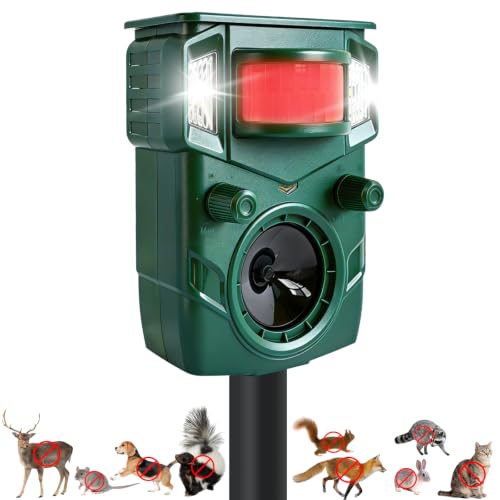
【5 Working Modes】 Just select the appropriate working mode, this ultrasonic repellent effect on Deer, Cat, Squirrel, Raccoon, Dog, Skunk, Rabbit and other outdoor animals. It will emit ultrasonic waves of different frequencies that only animals can hear. Notes:Animals may respond differently to each mode of the repellent, even within the same species. If one mode does not seem effective, we recommend trying others to determine the most suitable setting.

Humane Lawn & Garden Protection - Help protect lawns, gardens, flower beds, and landscaping from unwanted animal visitors with a motion-activated sprinkler that responds with a burst of water.
Deterrent Sounds and Scents
Using sounds and scents can disrupt squirrel routines. Consider these options:
- Noise Makers: Hang wind chimes or install motion-activated devices that create noise. The unpredictable sounds can startle squirrels, making your garden less inviting.
- Scents: Utilize natural repellents. For example, you can sprinkle cayenne pepper or garlic powder around the base of the tree. These scents deter squirrels while being safe for your plants.
Encouraging Natural Predators
Encouraging natural predators helps create a balanced ecosystem around your fruit trees. Here’s how to attract them:
- Birdhouses: Install birdhouses to invite birds that feed on squirrels, such as hawks or owls. Their presence can discourage squirrels from approaching.
- Feeding Stations: Set up feeding stations for birds. When there’s plenty of food for birds, squirrels often shift their focus elsewhere.
Implementing these behavioral strategies can aid in protecting your fruit trees from pesky squirrels.
Monitoring and Maintenance
Monitoring and maintenance are essential for protecting your fruit trees from squirrels. Regularly observing the trees and adapting your strategies can significantly deter these pests.
Regularly Inspecting Fruit Trees
Inspect your fruit trees at least once a week, especially during the spring and summer months. Look for signs of squirrel activity, including:
- Chewed branches or fruit: Notice any signs of bites or damage.
- Nests or burrows: Check nearby areas for squirrel nests or burrows.
- Droppings: Look for tiny dark pellets around the base of the tree.
If you find evidence of squirrels, adjust your protective measures immediately. For example, if you see fruits being nibbled, reinforce barriers or implement taste aversion methods.
Adapting Strategies Throughout the Season
As seasons change, so does squirrel behavior. Adjust your strategies to match their activity levels.
- Spring and Summer: Increase the use of physical barriers like netting or tree guards when squirrels are most active. Consider using spicy sprays on fruits to make them unappealing.
- Fall and Winter: Squirrels will seek out nuts and seeds more than fruits. Use this time to check the durability of your barriers. Reinforce any weak spots, ensuring your trees remain protected for the following season.
By staying proactive and regularly monitoring your fruit trees, you can effectively minimize squirrel damage and protect your harvest.
Conclusion
Protecting your fruit trees from squirrels doesn’t have to be a daunting task. By understanding their behavior and seasonal patterns you can implement effective strategies that work for your garden.
Using a combination of physical barriers and taste aversion techniques can make a big difference. Don’t forget to incorporate sound and scent deterrents to create an unwelcoming environment for these pesky critters.
Regular monitoring and adjusting your methods based on the season will keep your trees safe and your harvest plentiful. With a little effort and creativity you can enjoy the fruits of your labor without the worry of squirrel raids. Happy gardening!
Frequently Asked Questions
Why are squirrels attracted to my fruit trees?
Squirrels are drawn to fruit trees for their rich nutrients, height that offers safety from predators, and their innate curiosity. They find fruit trees ideal for foraging during the spring and summer seasons.
When do squirrels most frequently raid fruit trees?
Squirrel activity peaks in spring and summer when they are foraging for food. Their activity decreases in fall and winter as they gather nuts and face fewer food sources.
What physical barriers can I use to protect my fruit trees from squirrels?
Effective physical barriers include tree guards, netting, and wire fencing. Combining these methods enhances their protective capability against squirrel invasions.
Are there natural repellents that can deter squirrels?
Yes, taste aversion techniques work well. Spraying spicy mixtures, using non-toxic repellents, and placing citrus peels around trees can make fruits unappealing to squirrels.
How can I monitor squirrel activity on my trees?
Regularly inspect your trees, especially in spring and summer, for signs of squirrel activity such as chewed branches, nests, or droppings. Adjust your protective measures based on observations.
What behavioral strategies can deter squirrels?
Using noise makers, like wind chimes or motion-activated devices, can startle squirrels. Natural repellents like cayenne pepper or garlic powder can also alter the area’s appeal to them.
How can I encourage natural predators to help with squirrel control?
Install birdhouses and feeding stations to attract birds that prey on squirrels. This creates a balanced ecosystem that can naturally help control squirrel populations around fruit trees.
What should I do if I find signs of squirrel damage?
If you discover damage or signs of squirrel activity, reassess and enhance your protective measures. Increase physical barriers and taste aversion strategies, especially during peak foraging times.
