

Have you ever wondered whether passion fruit grows on a vine or a tree? You’re not alone. Many people are curious about this unique fruit and its growing habits.
Imagine strolling through a garden, spotting the vibrant, purple fruit hanging delicately from a lush green plant. It’s easy to think it might be a tree, but the truth is quite different. Understanding the nature of passion fruit can help you appreciate its flavor and how to grow it yourself.
In this article, you’ll learn the surprising facts about passion fruit’s growth habits and why it matters. Whether you’re a gardening enthusiast or just love this tropical treat, you’ll find useful insights that will enhance your appreciation for this delicious fruit.
Key Takeaways
- Passion Fruit Growth: Passion fruit (Passiflora edulis) exclusively grows on a vine, not a tree, and can reach lengths of over 20 feet.
- Vine Characteristics: The vine features glossy, lobed leaves and striking flowers that attract pollinators, contributing to its overall beauty and vitality.
- Cultivation Requirements: Passion fruit thrives in full sun, well-draining soil, and requires support structures like trellises for optimal growth and fruit production.
- Harvesting Timeframe: Vines typically begin producing fruit within 6 to 18 months after planting, with peak harvest periods occurring in late summer to early fall.
- Space Efficiency and Maintenance: Passion fruit vines occupy less ground space than trees, making them ideal for vertical gardening with low maintenance once established.
- Nutritional Value: The fruit is rich in vitamins A and C, and dietary fiber, providing significant health benefits when included in your diet.
Understanding Passion Fruit
Passion fruit (Passiflora edulis) exclusively grows on a vine, not a tree. This climbing vine thrives in warm climates, often reaching lengths of up to 20 feet or more. Its rapid growth allows it to cover fences, trellises, or other structures, making it a popular choice for gardens.
Characteristics of Passion Fruit Vines
- Growth Habit: Passion fruit vines are perennial, which means they continue to grow year after year. They spread quickly, often requiring support for optimal growth.
- Leaves: The leaves are glossy and deeply lobed, ranging from 4 to 12 inches in length. They provide a lush green backdrop for the vibrant flowers and fruits.
- Flowers: Passion fruit produces striking, fragrant flowers about 2 to 5 inches in diameter. These flowers feature intricate structures, attracting pollinators like bees and butterflies.
Cultivation Tips
- Support Structures: Install trellises or arbors. This support helps the vine grow upward, maximizing sunlight exposure and fruit production.
- Soil Requirements: Ensure well-draining soil rich in organic matter. A pH range of 6 to 7 promotes healthy growth.
- Watering: Water the vine regularly, especially during dry spells. Consistent moisture leads to better fruit quality.
- How Long Does It Take to Fruit? Passion fruit vines typically produce fruit within 6 to 12 months after planting, depending on conditions.
- Can You Grow Them Indoors? You can grow passion fruit in pots indoors, provided they receive sufficient sunlight and space to climb.
By understanding the nature of passion fruit vines and implementing proper care techniques, you can enjoy a bountiful harvest while appreciating the beauty of this unique plant.
Characteristics of Passion Fruit
Passion fruit displays distinct characteristics that define its growth and appearance. Understanding these traits enables you to appreciate its unique beauty and cultivation needs.
Physical Description
Passion fruit vines feature glossy, lobed leaves that grow approximately 3 to 5 inches long. The leaves are a rich green, providing an attractive backdrop for the stunning flowers. Flowers can measure up to 4 inches across, showcasing white and purple petals with long, protruding stamens. The fruit itself, often round or oval, varies in color from deep purple to bright yellow, measuring about 2 to 4 inches in diameter. A mature fruit has a tough outer rind and contains aromatic, juicy pulp filled with numerous small seeds.
Growth Habits
Passion fruit thrives as a perennial vine, capable of reaching lengths of 20 feet or more. Vines climb by using tendrils, allowing them to wrap around various supports. They require full sun for optimal growth, achieving vigorous growth rates when placed in warm, well-draining soil. Passion fruit typically takes 12 to 18 months to produce fruit after planting, with peak harvest periods occurring in late summer to early fall. These vines can adapt to different climates, but they perform best in subtropical regions and can grow indoors with proper care. Regular watering and fertilization support their growth, alongside a trellis or structure that provides stability.
Is Passion Fruit a Vine or Tree?
Passion fruit grows on a vine, specifically the species known as Passiflora edulis. Understanding its growth structure helps appreciate its unique characteristics and cultivation needs.
Recommended Products

Tropical Fruit: Native to Brazil, this vine produces round, purple or yellow fruits with a sweet-tart flavor, used in juices, desserts, and cocktails.
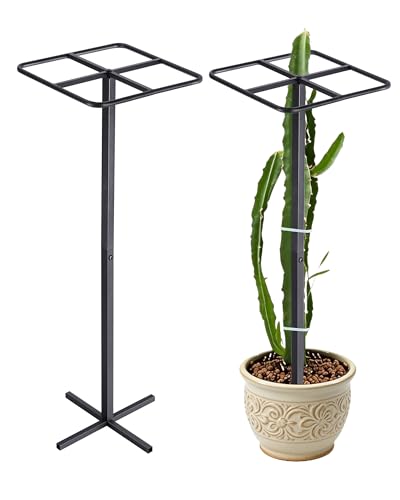
Square Top Design Unlike round trellis tops that let vines tangle together, our 4-section square top gives you four separate areas to train and separate your plants. This design improves air circulation and sunlight exposure while making pruning and harvesting easier.

【Durable Metal Construction】This dragon fruit plant rack is made of high-quality metal, sturdy and durable. This dragon fruit trellis has excellent weather resistance, providing strong support for the healthy growth of your climbing plants both indoors and outdoors.
Explanation of Vine Structure
Vines are defined by their climbing nature and can stretch up to 20 feet or more. The passion fruit vine features climbing tendrils that allow it to attach to nearby structures for support. The leaves are glossy with lobed edges and can grow up to 6 inches long, contributing to the vine’s overall lush appearance.
The flowers appear in clusters, showcasing intricate white and purple details that attract pollinators like bees. These flowers eventually develop into the fruit, which varies in color from deep purple to bright yellow. The vine thrives in full sun and well-draining soil, making it essential to provide proper care for optimal growth and fruit production.
Explanation of Tree Structure
Trees are typically characterized by a single, sturdy trunk and branching limbs. Unlike passion fruit, trees grow vertically to significant heights and require different cultivation methods. Passion fruit does not possess a typical tree structure. Instead, it relies on its vine form for support and growth.
While some related species may grow in a tree form, the passion fruit itself lacks a woody trunk and branches that define a true tree. It’s important to distinguish this, as the care and growing conditions differ greatly between vines and trees, influencing how you manage your passion fruit plants.
Understanding these structural differences enhances your cultivation experience, ensuring that your passion fruit thrives as you enjoy its delicious, nutritious fruit.
Benefits of Passion Fruit as a Vine
Passion fruit as a vine offers several advantages for gardeners and fruit enthusiasts.
Recommended Products

Exotic Tropical Flavor from Your Garden - Grow your own passion fruit vine with 400+ heirloom seeds, producing the iconic purple fruit with sweet-tart, aromatic pulp perfect for juices, desserts, and fresh eating.

Fiberglass Material Raspberry Cross Stake System with 2 Cross-bars, Height Adjustable
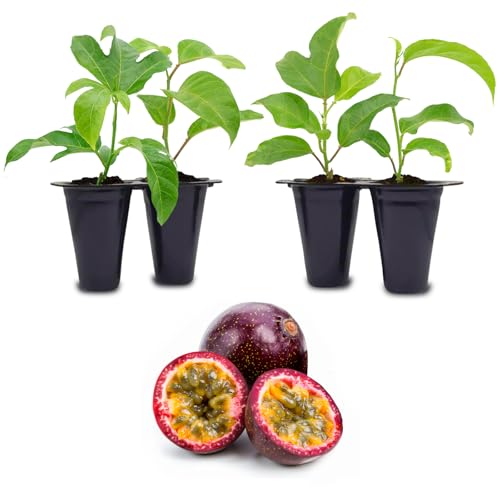
Vigorous Climber 🌿: These live starter plants for planting grow rapidly, covering trellises, fences, or arbors, adding lush greenery to your space.
Space Efficiency
Passion fruit vines occupy less ground space compared to trees. This trait allows for vertical gardening, perfect for small yards. You can grow them along fences or trellises, maximizing your gardening area.
Aesthetic Appeal
Vibrant flowers adorn passion fruit vines, providing visual interest. These striking blooms attract pollinators, enhancing the biodiversity in your garden. Their fragrant nature adds an aromatic quality to outdoor spaces.
Easy Maintenance
Caring for passion fruit vines is manageable due to their perennial nature. Once established, they require minimal maintenance compared to trees. Regular pruning encourages healthy growth and improves fruit production.
High Yield
Passion fruit vines can produce fruit within 12 to 18 months of planting. During peak harvest periods, typically late summer to early fall, you can enjoy an abundance of fruit. One vine can yield up to 100 fruits annually, depending on its care and growing conditions.
Adaptable Growth
These vines thrive in various climates, from tropical to temperate regions. You can also grow them indoors with sufficient sunlight and support. Passion fruit’s adaptability makes it a viable option for many gardeners.
Nutritional Benefits
Passion fruit is rich in vitamins A and C, dietary fiber, and antioxidants. Incorporating the fruit into your diet contributes to overall health. Enjoy it fresh, in smoothies, or as a topping for desserts.
The passion fruit vine combines aesthetic appeal with practical benefits, making it an excellent choice for gardeners seeking flavorful produce and visual beauty.
Cultivating Passion Fruit
Passion fruit thrives in warm, subtropical to tropical climates. To successfully cultivate this vine, follow these key guidelines:
Recommended Products


Purple Passion Fruit Plant, Passion Fruit Tree, Purple Passion Fruit, 5 to 8 Inch Tall, Bareroot Passion Fruit Plant, Passion Fruit Vine
Site Selection
- Choose Full Sun: Select a planting location that receives at least six to eight hours of direct sunlight daily. This maximizes fruit production.
- Ensure Good Drainage: Plant in well-draining soil to prevent root rot. Adjustments such as adding compost or sand can enhance drainage.
Planting Your Vine
- Start from Seeds or Cuttings: Plant seeds indoors about 8 to 12 weeks before the last frost date. Alternatively, use cuttings from healthy vines.
- Space the Vines: Maintain a distance of 3 to 10 feet between each vine. This allows ample air circulation and growth.
Supporting the Vine
- Install a Trellis: Use a sturdy trellis or fence to support the vine as it grows. Ensure it stands at least 6 to 8 feet tall for optimal climbing.
- Train the Vines: Gently guide new growth onto the trellis using soft ties. Regular training encourages better fruit formation.
Watering and Fertilization
- Water Regularly: Keep the soil consistently moist but not soggy. Deep watering twice a week suffices, more often during hot spells.
- Fertilize Appropriately: Use a balanced fertilizer every four to six weeks during the growing season. Look for fertilizers high in potassium to encourage fruit development.
Pruning and Maintenance
- Prune for Airflow: Trim the vine in late winter or early spring to remove dead or overcrowded growth. This enhances air circulation and light penetration.
- Monitor Pests: Keep an eye out for common pests like aphids and spider mites. Use insecticidal soap or neem oil for control.
- Identify Ripeness: Passion fruits are ready to harvest when their skin turns slightly wrinkled and feels heavy. Color varies from purple to yellow depending on the variety.
- Pick Carefully: Use pruning shears to cut the fruit from the vine, leaving a short stem attached.
By following these steps, you can enjoy a thriving passion fruit vine that produces a bountiful crop of delicious fruits throughout the growing season.
Conclusion
Passion fruit’s unique growth as a vine offers you a wonderful opportunity to enhance your garden with both beauty and flavor. By understanding its needs and characteristics you can create a thriving environment that produces delicious fruits. Whether you’re a seasoned gardener or just starting out you’ll find that cultivating passion fruit is a rewarding experience. With its vibrant flowers and nutritious fruits this vine can truly transform your gardening space into a lush paradise. So why not give it a try and enjoy the fruits of your labor?
Frequently Asked Questions
Does passion fruit grow on a vine or a tree?
Passion fruit grows on a vine, specifically the species Passiflora edulis. Unlike trees, which have a single trunk, this plant relies on its climbing nature to support its growth.
How long does it take for passion fruit vines to produce fruit?
Passion fruit vines typically take 12 to 18 months to produce fruit after planting. During this time, they establish themselves and begin to fruit, usually peaking in late summer to early fall.
What are the ideal growing conditions for passion fruit?
For optimal growth, passion fruit vines need full sun and well-draining soil. A trellis or support structure is also necessary to help the vine climb and thrive.
How much space do passion fruit vines need?
Passion fruit vines are space-efficient and ideal for vertical gardening. They can grow upwards of 20 feet long but occupy minimal ground space, making them suitable for small yards.
What are the benefits of growing passion fruit?
Growing passion fruit offers several benefits, including high yields—up to 100 fruits per vine annually—minimal maintenance, vibrant flowers that attract pollinators, and the nutritional value of the fruit, which is rich in vitamins and fiber.
