

Tamarind trees can thrive in pots in Maine with the right cold-hardy strategies. By selecting suitable varieties and implementing effective care techniques, you can successfully grow this tropical tree even in cooler climates.
Cold-Hardy Tamarind Varieties for Maine
Maine’s cold climate poses unique challenges for growing tamarind trees, but certain cold-hardy varieties can thrive even in these conditions. Understanding which tamarind types are best suited for pot cultivation in Maine will help gardeners successfully nurture these tropical plants despite the chilly winters. This section explores the most resilient tamarind varieties that can adapt to the state’s climate.
Choosing the right tamarind tree variety is crucial for successful growth in Maine’s climate. Some varieties are more resilient to cold temperatures than others. Look for dwarf or hybrid varieties that can tolerate lower temperatures while still producing fruit.
Dwarf Tamarind: Smaller size, easier to manage in pots.
Hybrid Tamarind: Crossbred for better cold resistance.
Indian Tamarind: Known for its adaptability to various climates.
| Variety Type | Cold Tolerance | Size | Fruit Production |
|---|---|---|---|
| Dwarf Tamarind | Moderate | 3-5 feet | Moderate |
| Hybrid Tamarind | High | 4-6 feet | High |
| Indian Tamarind | Low | 10-15 feet | High |
Pot Size and Soil Quality for Tamarind
When growing tamarind trees in pots, especially in Maine’s challenging climate, selecting the right pot size and soil quality is crucial for their success. Proper pot dimensions ensure adequate root development, while high-quality soil provides essential nutrients and drainage. Understanding these factors can significantly enhance the growth and resilience of tamarind trees in colder regions.
Pot size and soil quality significantly impact the growth of tamarind trees. A larger pot allows for better root development, while well-draining soil prevents waterlogging.
Use a 15-gallon pot for mature trees.
Opt for a potting mix that includes perlite or sand for drainage.
Ensure the pot has drainage holes to avoid root rot.
Ideal Soil Blend for Tamarind Trees
Creating the right soil blend is essential for successfully growing tamarind trees in pots, especially in Maine’s challenging climate. The ideal mix balances drainage, aeration, and nutrient retention to support healthy growth. Understanding the specific soil requirements will help ensure that these tropical trees thrive even in colder conditions.
A well-balanced soil mix is essential for healthy growth. Combine the following components:
60% potting soil for nutrients.
30% perlite for aeration.
10% compost for added organic matter.
Optimal Watering Practices for Potted Tamarind
Successfully growing tamarind trees in pots in Maine requires careful attention to watering practices. Given the unique challenges posed by the climate, understanding the right amount and frequency of water is crucial for promoting healthy growth and ensuring the tree thrives despite the cold. This section explores optimal watering strategies tailored for potted tamarind trees.
Watering is a critical factor in maintaining the health of tamarind trees in pots. Overwatering can lead to root rot, while underwatering can stress the tree.
Water deeply but infrequently to encourage deep root growth.
Check soil moisture levels before watering.
Use a moisture meter for accuracy.
Recommended Products

Accurate Soil Moisture Detection: The XLUX Soil Moisture Meter can tell you if the soil deep inside your pot or garden is dry, moist or wet; whereas your eyes and fingers can only determine the moisture level of the soil surface. The probe is 5.5 inches (14 cm) longer than regular styles, allowing it to measure the soil moisture at the bottom of larger and deeper flower pots.
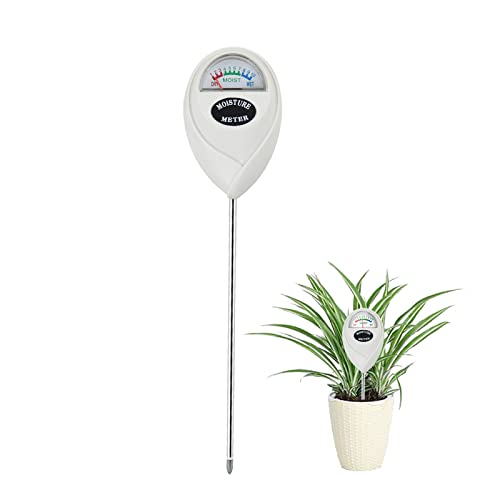
【SAVE YOUR PLANTS】: Over watering can cause problems with your plants or even kill them. This soil moisture meter helps you know the soil is dry, moist or wet.No more over watering!

Kindly NOTE: This soil tester can not be applied to test pH value of any other liquid. If the soil is too dry the indicator will not move, and water it before testing.
Tamarind Tree Watering Guidelines by Season
Understanding the watering needs of tamarind trees is essential for successful cultivation, especially in a pot in Maine’s unique climate. Seasonal variations significantly influence the moisture requirements of these trees, making it crucial to adapt your watering strategy throughout the year. This section outlines specific guidelines to ensure your tamarind tree thrives despite the challenges of colder temperatures.
| Season | Frequency | Amount |
|---|---|---|
| Spring | Every 7-10 days | 1-2 gallons |
| Summer | Every 5-7 days | 2-3 gallons |
| Fall | Every 10-14 days | 1 gallon |
| Winter | Monthly | 1 gallon |
Cold Protection Strategies for Tamarind Trees
Tamarind trees, typically suited for warmer climates, can thrive in Maine with the right cold protection strategies. Understanding how to shield these trees from harsh winter conditions is essential for successful growth. This section explores effective methods to safeguard tamarind trees in pots, ensuring they remain healthy and resilient throughout the colder months.
Maine winters can be harsh, so protecting your tamarind trees from cold is essential. Implementing protective measures will help them survive the winter months.
Move pots indoors during extreme cold.
Use frost cloths or blankets for outdoor protection.
Consider using a heat lamp if indoors.
Recommended Products

PRODUCT FEATURES: Our plant covers are ideal for protecting all plant. Made from premium 1.4 oz/sq non-woven fabric, their durability and breathability ensuring both insulation against frost and facilitation of sunlight penetration for healthy plant growth

More Larger Sizes Rectangular Plant Covers Freeze Protection: The Garutom frost plant covers are available in three sizes (8 ft x 24 ft, 10 ft x 33 ft, 10 ft x 50 ft), you can choose the size you need most. The plant blanket can be easily cut with scissors to fit over whatever you want

1.Large size: the size of this plant cover is 13 x 6.5 feet ,suitable for almost of wide area,provides the best protection for outdoor plants and ensures good plant growth.
Cold-Weather Care for Potted Tamarind Trees
Caring for potted tamarind trees in Maine presents unique challenges due to the region’s cold climate. Understanding the specific needs for winter protection and proper maintenance is essential for successful growth. This section explores effective strategies to ensure these tropical trees thrive despite the harsh weather conditions.
Monitor temperatures regularly.
Reduce watering during winter months.
Prune dead or damaged branches to promote healthy growth in spring.
Balanced Fertilization for Tamarind Trees
To successfully cultivate tamarind trees in pots in Maine’s challenging climate, balanced fertilization plays a crucial role. Understanding the specific nutrient needs of these trees can enhance their growth and resilience, ensuring they thrive even in colder conditions. This section explores effective fertilization strategies tailored for potted tamarind trees.
Regular fertilization is vital for the development of tamarind trees. Use a balanced fertilizer to ensure the tree receives essential nutrients.
Apply a slow-release fertilizer every 6-8 weeks during the growing season.
Use organic options like fish emulsion or seaweed extract for additional benefits.
Avoid fertilizing during the winter months.
Fertilizer Types for Potted Tamarind Trees
Selecting the right fertilizer is crucial for nurturing potted tamarind trees, especially in Maine’s challenging climate. Different types of fertilizers can significantly impact growth, health, and fruit production. This section will explore various fertilizer options tailored to support the unique needs of tamarind trees in containers.
| Fertilizer Type | Application Rate | Frequency |
|---|---|---|
| Slow-Release Granules | 1-2 cups per pot | Every 6-8 weeks |
| Fish Emulsion | 1 tablespoon per gallon of water | Every 4 weeks |
| Seaweed Extract | 1 tablespoon per gallon of water | Every 4 weeks |
Pest and Disease Management for Tamarind Trees
Managing pests and diseases is crucial for the successful cultivation of tamarind trees in pots, especially in Maine’s challenging climate. Understanding the specific threats these trees face can help gardeners implement effective strategies to protect their plants. This section explores common pests and diseases and offers practical solutions tailored for cold-hardy growth.
Regular monitoring for pests and diseases is essential for maintaining healthy tamarind trees. Common issues include aphids, spider mites, and fungal infections.
Inspect leaves and stems regularly.
Use insecticidal soap for pest control.
Apply fungicides as needed for fungal issues.
Pest Management Strategies for Tamarind Trees
Managing pests effectively is crucial for the health of tamarind trees, especially when grown in pots in Maine’s challenging climate. This section explores various strategies tailored to protect these trees from common pests while ensuring they thrive despite cold conditions. Understanding these methods will help maintain robust growth and fruit production.
| Pest | Symptoms | Treatment |
|---|---|---|
| Aphids | Curling leaves | Insecticidal soap |
| Spider Mites | Webbing on leaves | Neem oil |
| Fungal Infections | Wilting or discoloration | Fungicide |
Ongoing Care for Potted Tamarind Trees
Caring for potted tamarind trees in Maine requires a tailored approach to ensure their health and growth in a colder climate. This section outlines essential ongoing care strategies, including watering, fertilization, and protection from harsh weather, to help these tropical trees thrive despite the challenges posed by their northern environment.
Regular care and monitoring will ensure the successful growth of tamarind trees in pots. Always stay vigilant for environmental changes and adjust care practices accordingly.
Avoid exposing trees to sudden temperature changes.
