

Cherry trees in Richmond, VA thrive with proper care and attention to their unique needs. To ensure successful growth and blooming, focus on soil quality, sunlight exposure, and regular pruning.
Richmond Cherry Tree Varieties for Success
Richmond, Virginia, is renowned for its stunning cherry trees, which bloom vibrantly each spring. Understanding the specific varieties that thrive in this region can significantly enhance your gardening success. This section explores the best cherry tree types suited for Richmond’s climate and soil, ensuring a flourishing display of blossoms in your landscape.
Richmond’s climate supports several cherry tree varieties. Choosing the right type can significantly impact your success. The most common varieties include:
Yoshino Cherry: Known for its stunning pink blossoms, this variety is a favorite in parks.
Kwanzan Cherry: Offers double-petaled flowers and a robust structure, making it ideal for ornamental purposes.
Sargent Cherry: A smaller tree that produces bright red fruit, suitable for smaller yards.
Understanding the characteristics of each variety helps in selecting the best fit for your landscape.
Recommended Products

Do not transplant into another container, only the ground. These are ready to plant and should be put in the ground according to the included instructions upon arrival. All pictures are of fully grown plants. Sizes shipped are in the title and description. Deciduous plants do not have leaves in the winter.
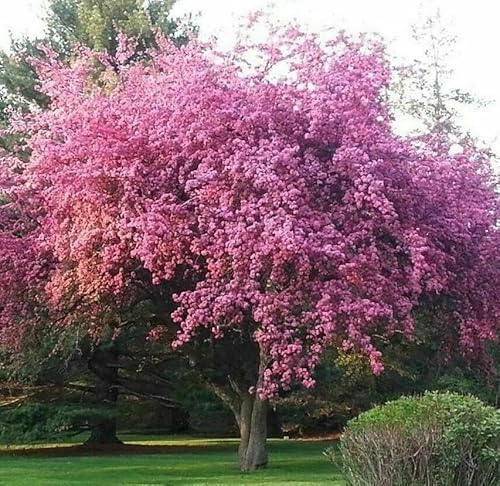
For sale is one kwanzan cherry tree that is approximately 8-14" tall and shipped in a 2.5" pot

WHAT YOU WILL RECEIVE: 2 Cherry blossom tree live plant approximately 6 - 12 inches tall, prepared for transplanting into garden soil or outdoor containers
Soil Requirements for Healthy Cherry Trees
Understanding the soil requirements for cherry trees is crucial for successful cultivation in Richmond, VA. This section delves into the specific soil types and conditions that promote healthy growth, ensuring that your cherry trees thrive in the unique Virginia climate. By following these guidelines, you can enhance your chances of a bountiful harvest.
Proper soil preparation is crucial for the health of cherry trees. They prefer well-draining soil rich in organic matter. Here are the steps for effective soil preparation:
Test Soil pH: Aim for a pH between 6.0 and 7.0.
Amend Soil: Add compost or well-rotted manure to enhance nutrient content.
Ensure Drainage: If your soil retains water, consider raised beds or mounding.
| Soil Component | Ideal Ratio |
|---|---|
| Organic Matter | 30% |
| Sand | 40% |
| Clay | 30% |
Inadequate soil conditions can lead to root rot and poor growth.
Sunlight Requirements for Cherry Tree Growth
Cherry trees thrive in Richmond, VA, thanks to the region’s favorable climate. Understanding their sunlight requirements is essential for successful growth and blooming. This section explores the optimal sunlight conditions necessary for cherry trees to flourish in the Virginia capital, ensuring vibrant blossoms and healthy foliage.
Cherry trees require full sunlight for optimal growth. They need at least six hours of direct sunlight each day. Here’s how to ensure proper sunlight exposure:
Choose the Right Location: Plant in an open area away from tall structures or trees.
Monitor Tree Growth: As trees mature, ensure they do not shade each other.
Prune Surrounding Vegetation: Regularly trim nearby plants that may obstruct sunlight.
Insufficient sunlight can hinder blooming and fruit production.
Cherry Tree Pruning Best Practices
Pruning cherry trees is essential for maintaining their health and enhancing their beauty, especially in Richmond, VA, where these trees thrive. Understanding the best practices for pruning can lead to better blooms and fruit production, ensuring that your cherry trees flourish in the Virginia climate. This section outlines effective techniques to achieve optimal results.
Regular pruning is essential for maintaining the health and shape of cherry trees. It encourages air circulation and sunlight penetration. Follow these pruning techniques:
Timing: Prune in late winter or early spring before new growth begins.
Remove Dead or Diseased Wood: Cut back any branches that show signs of disease or damage.
Shape the Tree: Aim for an open center to allow light to reach all branches.
| Pruning Task | Frequency | Best Time |
|---|---|---|
| Remove Dead Wood | Annually | Late Winter |
| Shape Tree | Every 2-3 Years | Early Spring |
| Thin Out Branches | Annually | Late Winter |
Neglecting pruning can lead to overcrowded branches and reduced fruit quality.
Recommended Products

IDEAL BRANCH TRIMMER: 28" Steel blade garden bypass lopper that glides through up to 1.5" thick branches for easy cuts; Works well for trimming tree branches to maintain your yard and garden, and to encourage overall plant health and appearance

Tree Branch Modelling Too: 15 Pcs 3.94in fruit tree branch puller suitible for 0.4in branch, can pull lower the drooping angle of the tree branch. for orchards with apple trees spaced 1-2 meters and tree age 1-3 years, with a pruning angle of 110-135 degrees.

Cherry Tree Pest and Disease Control Methods
Managing pests and diseases is crucial for maintaining the health and beauty of cherry trees in Richmond, VA. This section outlines effective control methods tailored to the unique challenges faced by cherry tree growers in the area, ensuring vibrant blossoms and fruitful harvests. Understanding these strategies can help protect your trees from common threats while promoting their overall vitality.
Maintaining cherry trees involves vigilance against pests and diseases. Common threats include aphids, cherry fruit flies, and fungal infections. Implement these management strategies:
Regular Inspections: Check leaves and branches for signs of pests or disease.
Use Organic Pesticides: Apply neem oil or insecticidal soap for pest control.
Promote Beneficial Insects: Encourage ladybugs and lacewings that prey on harmful pests.
Ignoring pest management can result in significant crop loss.
Recommended Products
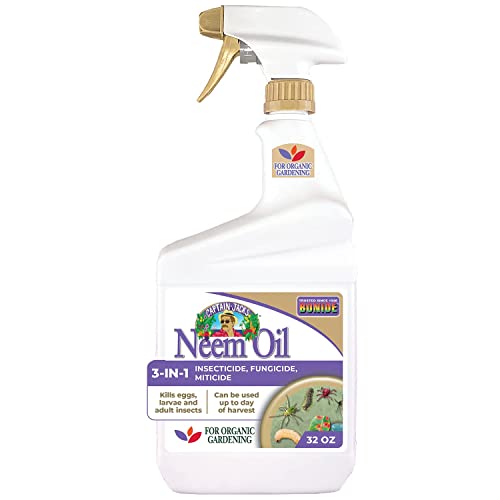
MULTI-PURPOSE BUG KILLER - Bonide Neem Oil is a perfect pest control solution for any garden dealing with mites, flies, mildew, and more. This product is a three-in-one fungicide, miticide, and insecticide.

FUNGAL DISEASE CONTROL: Prevents and controls black spot on roses, powdery mildew, rust, downy mildew, and other listed fungal diseases when applied on a 7–14 day schedule

PLANT DISEASE CONTROL: Natria Neem Oil acts as an insecticide and fungicide in one convenient spray; Ready-to-use trigger sprayer requires no mixing
Cherry Tree Watering Techniques for Optimal Growth
Proper watering is essential for the health and growth of cherry trees in Richmond, VA. Understanding the specific techniques that promote optimal hydration can significantly enhance their resilience and fruit production. This section explores effective watering strategies tailored to the unique climate and soil conditions of Virginia’s capital.
Proper watering is vital for cherry tree health. These trees prefer deep, infrequent watering rather than shallow, frequent watering. Here’s how to manage watering effectively:
Establish a Schedule: Water deeply once a week during dry spells.
Check Soil Moisture: Use your finger to assess soil moisture before watering.
Mulch Around Base: Apply mulch to retain soil moisture and reduce weed competition.
Overwatering can lead to root rot, while underwatering can stress the tree.
Cherry Tree Fertilization Best Practices
Proper fertilization is crucial for maintaining the health and vibrancy of cherry trees in Richmond, VA. Understanding the specific nutrient needs and timing for application can significantly enhance growth and flowering. This section outlines the best practices for fertilizing cherry trees to ensure they thrive in the local climate.
Fertilization supports the growth and fruiting of cherry trees. A balanced approach is necessary to avoid nutrient deficiencies. Follow these guidelines:
Use a Balanced Fertilizer: Apply a 10-10-10 fertilizer in early spring.
Follow Application Rates: Use about one pound of fertilizer per inch of trunk diameter.
Monitor Tree Health: Adjust fertilizer based on tree growth and soil tests.
Under-fertilization can result in poor fruit quality and reduced blooming.
Cherry Tree Care Strategies for Richmond
Caring for cherry trees in Richmond, VA requires an understanding of the local climate and soil conditions. This section outlines effective strategies tailored to the region, ensuring these beautiful trees thrive and produce stunning blooms each spring. From planting techniques to pest management, these tips will help you cultivate healthy cherry trees in your garden.
Success with cherry trees in Richmond requires attention to detail. Regular maintenance and monitoring are essential.
Ensure you select the right variety, prepare the soil properly, and manage pests effectively.
