

Growing quince trees in pots in Alabama is feasible and rewarding with the right approach. This guide provides a comprehensive checklist to ensure successful growth, covering essential care, ideal potting strategies, and environmental considerations.
Best Quince Varieties for Container Gardening
Selecting the right variety of quince tree is crucial for successful container gardening. Some varieties thrive better in pots due to their size and growth habits. Look for dwarf or semi-dwarf varieties that can adapt to confined spaces. Common options include:
Pineapple Quince: Known for its aromatic fruit and compact growth.
** Smyrna Quince**: Offers larger fruit and is more tolerant of container conditions.
Orange Quince: Features a unique flavor and can be grown in smaller pots.
Choose a variety that matches your space and climate.
Recommended Products

LIVE DWARF FLOWERING QUINCE TREE: Comes rooted and ready to grow in a 5-inch plastic pot, making it easy to transplant.
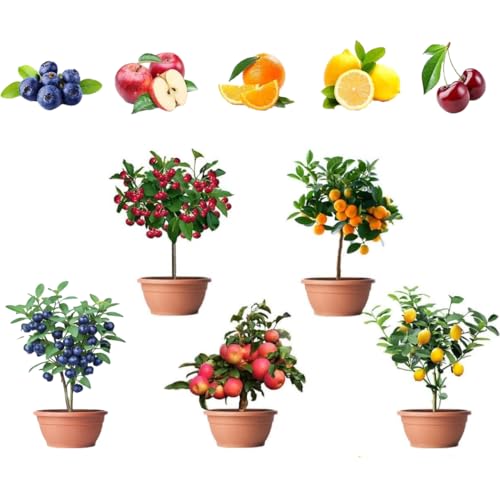
Variety Pack of 5 Fruits: Includes 40 Lemon seeds, 40 Orange seeds, 40 Apple seeds, 20 Cherry seeds, and 20 Blueberry seeds for a colorful and diverse home garden

Product Quantity: Five+ dwarf peach tree seeds per packet; Premium selection for optimal viability; Perfect for starting your own backyard orchard
Potting Supplies for Healthy Quince Trees
Selecting the right potting supplies is crucial for successfully growing quince trees in Alabama. The right materials not only support healthy root development but also ensure proper drainage and moisture retention. This section outlines the essential supplies needed to create an optimal environment for your potted quince trees.
Choosing the right pot and soil mix is essential for healthy quince trees. A well-draining pot allows for proper root development and prevents overwatering. Consider the following when selecting your potting supplies:
Container Size: Use a pot that is at least 12-16 inches in diameter for young trees. Larger pots are necessary as the tree matures.
Drainage Holes: Ensure the pot has adequate drainage to avoid root rot.
Soil Mix: Use a high-quality potting mix that retains moisture but drains well. A mix of peat, perlite, and compost works well.
| Item | Description |
|---|---|
| Pot Size | 12-16 inches for young trees |
| Drainage | Essential to prevent root rot |
| Soil | High-quality potting mix |
Recommended Products

OUTDOOR POTTING SOIL: Miracle-Gro Organic Outdoor Potting Mix contains a quick-release natural plant fertilizer and also feeds plants for up to 2 months

STARTING A TROPICAL GARDEN- Comprised of real horticultural grade ingredients such as shredded coir husk, pine bark, perlite, sand, and garden lime; no pelletized fertilizer

INDOOR GROWING: Growing indoors is easy under the right conditions; Miracle-Gro Houseplant Potting Mix is an indoor plant potting soil that combines key elements container plants need to thrive
Ideal Pot Conditions for Quince Trees
Creating the right pot conditions is essential for successfully growing quince trees in Alabama. Factors such as pot size, drainage, and soil type significantly influence the health and productivity of these trees. Understanding these elements will help ensure your quince thrives in a container environment.
Quince trees require specific conditions to thrive in pots. Understanding their needs will help maximize growth and fruit production. Consider these factors:
Sunlight: Place the pot in a location that receives full sun for at least 6-8 hours daily. This promotes healthy growth and fruit development.
Temperature: Quince trees prefer temperatures between 60-75°F. Protect them from extreme cold or heat.
Watering: Maintain consistent moisture without waterlogging. Water when the top inch of soil feels dry.
Recommended Products

ALL-NATURAL MIX: Burpee Organic Premium Potting Mix is formulated with plant food & coconut coir to promote seed & root growth and healthy flower, vegetable & herb plants. OMRI Listed for organic use.

HELPS REGULATE SOIL MOISTURE: Miracle-Gro Organic Indoor Potting Soil Mix is an organic potting soil that protects indoor plants against over and under watering

✅ 🌿 Unleash Olive Tree Excellence: Our premium potting mix enhances growth, health, and productivity, resulting in flourishing olive trees.
Fertilization Guidelines for Container Quince Trees
Container quince trees require specific fertilization practices to thrive in Alabama’s climate. Understanding the right nutrients and timing can significantly enhance growth and fruit production. This section outlines essential guidelines to ensure your potted quince trees receive the proper care they need to flourish.
Regular fertilization is vital for quince trees in containers. A balanced fertilizer supports growth and fruiting. Follow these guidelines:
Timing: Fertilize in early spring and again in late summer.
Type: Use a slow-release fertilizer specifically designed for fruit trees. Look for a balanced NPK ratio.
Application: Follow the manufacturer’s instructions for dosage and application frequency.
| Fertilizer Type | NPK Ratio | Application Frequency |
|---|---|---|
| Slow-release | 10-10-10 | Early spring, late summer |
Pest and Disease Monitoring for Quince Trees
Effective pest and disease monitoring is crucial for maintaining healthy quince trees in pots, especially in Alabama’s unique climate. By staying vigilant and implementing proactive strategies, growers can protect their trees from common threats. This section outlines essential practices and considerations for identifying and managing pests and diseases that may affect your quince trees.
Pest and disease management is crucial for container-grown quince trees. Regular monitoring helps catch problems early. Be aware of these common issues:
Scale Insects: Look for sticky residue or yellowing leaves. Treat with insecticidal soap.
Powdery Mildew: Identify by white powdery spots on leaves. Improve air circulation and apply fungicide as needed.
Root Rot: Check for wilting or yellowing leaves. Ensure proper drainage and avoid overwatering.
Pruning Techniques for Healthy Quince Growth
Pruning is essential for maintaining healthy quince trees, especially when grown in pots in Alabama’s unique climate. Proper techniques not only encourage robust growth but also enhance fruit production and overall tree health. This section outlines effective pruning strategies tailored to ensure your quince thrives in a container environment.
Pruning is essential for maintaining the shape and health of quince trees. Regular pruning encourages better air circulation and light penetration. Follow these steps:
Timing: Prune in late winter or early spring before new growth starts.
Technique: Remove dead or damaged branches and thin out crowded areas to promote airflow.
Shape: Aim for an open center to allow sunlight to reach all parts of the tree.
Winter Preparation Strategies for Quince Trees
As winter approaches, proper preparation is essential for the health of quince trees grown in pots in Alabama. This section outlines effective strategies to protect your trees from cold temperatures and ensure they thrive during the colder months. By following these expert tips, you can safeguard your quince trees and promote their growth for the upcoming spring.
Winter can be challenging for container-grown quince trees in Alabama. Proper preparation ensures their survival through colder months. Consider these strategies:
Insulation: Wrap pots with burlap or foam to protect roots from freezing.
Location: Move pots to a sheltered area, such as a garage or shed, during extreme cold spells.
Watering: Reduce watering frequency but ensure the soil does not completely dry out.
Identify and Resolve Quince Tree Problems
Quince trees can thrive in pots, but they may encounter various issues that affect their growth and fruit production. Understanding common problems and their solutions is essential for maintaining healthy quince trees in Alabama’s unique climate. This section will guide you through identifying and resolving these challenges effectively.
Addressing common problems early can save your quince trees from serious damage. Here are some issues to watch for:
Leaf Drop: May indicate stress from temperature changes or overwatering.
Poor Fruit Production: Can result from insufficient sunlight or lack of pollination.
Stunted Growth: Often due to nutrient deficiencies or root-bound conditions.
Monitor your trees closely to catch these issues early.
Healthy Quince Tree Care in Alabama
Caring for quince trees in Alabama requires attention to local climate conditions and specific horticultural practices. Understanding the unique needs of these trees will help ensure they thrive in pots, producing healthy fruit and vibrant foliage. This section outlines essential care tips tailored for Alabama’s growing environment.
Following this expert checklist will help you grow healthy quince trees in pots throughout Alabama. Regular monitoring and proper care will lead to fruitful harvests. Prioritize the right variety, potting supplies, and growing conditions to maximize your success.
