

Jujube trees can thrive in Fort Wayne, IN, given the right conditions. These trees are adaptable and can withstand the local climate, making them a viable option for home gardeners.
Jujube Tree Growth Conditions in Fort Wayne
Jujube trees, also known as Chinese dates, require specific conditions to grow successfully. They prefer well-drained soil and full sun exposure for optimal growth. The climate in Fort Wayne, characterized by cold winters and warm summers, can support jujube cultivation if proper care is taken.
Recommended Products

STARTING A TROPICAL GARDEN- Comprised of real horticultural grade ingredients such as shredded coir husk, pine bark, perlite, sand, and garden lime; no pelletized fertilizer

Hand Blended Money Tree Soil- Hand blended soil perfect for growing money tree plants, Great for repotting or planting money trees.
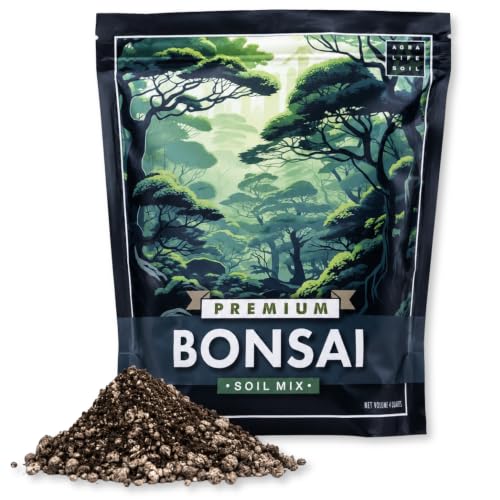
Optimal Drainage & Aeration: Our premium bonsai soil mix is specifically designed to provide excellent drainage and aeration, essential for the health of your bonsai trees. This carefully crafted blend ensures that your bonsai thrives in a nutrient balanced environment.
Optimal Soil Types for Jujube Trees
Understanding the optimal soil types for jujube trees is crucial for successful cultivation in Fort Wayne, IN. The right soil composition not only supports healthy growth but also enhances fruit production. This section delves into the specific soil characteristics that jujube trees thrive in, providing local gardeners with essential insights for their planting endeavors.
Soil quality plays a crucial role in the health of jujube trees. They thrive in sandy or loamy soils with good drainage. Heavy clay soils can lead to root rot and other issues.
| Soil Type | Drainage Level | pH Range |
|---|---|---|
| Sandy | Excellent | 6.0 – 7.5 |
| Loamy | Good | 6.0 – 7.5 |
| Clay | Poor | 6.0 – 7.5 |
Ensure that the soil is amended with organic matter to enhance drainage. Testing soil pH can also help in adjusting nutrient levels for better growth.
Optimal Planting Time for Jujube Trees
Understanding the best time to plant jujube trees is crucial for successful growth in Fort Wayne, IN. Local climate conditions, including temperature and frost dates, play a significant role in determining the optimal planting window. This section explores the ideal timing to ensure your jujube trees thrive in the region’s unique environment.
Timing is essential when planting jujube trees. The best time to plant is in early spring after the last frost. This allows the trees to establish roots before the heat of summer.
Select a sunny location with at least six hours of direct sunlight.
Prepare the planting hole by digging a hole twice the width of the root ball.
Mix in compost to enrich the soil.
Place the tree in the hole, ensuring the root collar is level with the soil surface.
Backfill the hole with soil and water thoroughly.
Jujube Tree Watering and Fertilization Tips
Proper watering and fertilization are crucial for the healthy growth of jujube trees, especially in Fort Wayne’s climate. Understanding the specific needs of these trees will help local gardeners optimize their care routines, ensuring robust fruit production and longevity. Here are essential tips to maintain the right balance for your jujube trees.
Proper watering and fertilization are vital for jujube trees. They are drought-tolerant but require consistent moisture during their first year.
Water deeply once a week during dry spells.
Use a balanced fertilizer in spring to promote growth.
Avoid over-fertilizing, as this can harm the tree.
Jujube Tree Pest Control Strategies
Jujube trees can thrive in Fort Wayne, IN, but they are not immune to pests that can threaten their health and productivity. Understanding effective pest control strategies is essential for local gardeners looking to ensure their jujube trees flourish. This section explores various methods to manage and prevent pest infestations, helping you maintain a healthy garden.
While jujube trees are relatively pest-resistant, they can still face issues. Common pests include aphids and scale insects, which can be managed with insecticidal soap or horticultural oil.
| Pest | Symptoms | Control Method |
|---|---|---|
| Aphids | Curling leaves | Insecticidal soap |
| Scale | Sticky residue | Horticultural oil |
Regular monitoring and early intervention can prevent infestations from becoming severe.
Jujube Tree Seasonal Care in Fort Wayne
Understanding the seasonal care requirements for jujube trees is essential for successful growth in Fort Wayne, IN. This region’s unique climate presents specific challenges and opportunities for gardeners. By following tailored care guidelines, you can ensure your jujube trees thrive throughout the changing seasons.
Seasonal care is essential for maintaining healthy jujube trees in Fort Wayne.
Spring: Fertilize and prune dead or damaged branches.
Summer: Monitor for pests and ensure adequate watering.
Fall: Harvest fruit and prepare for winter by mulching around the base.
Winter: Protect young trees with burlap wraps to shield against harsh winds.
Jujube Fruit Harvesting Techniques
Harvesting jujube fruit requires careful timing and technique to ensure the best flavor and quality. In Fort Wayne, IN, understanding the local climate and growing conditions is essential for successful harvesting. This section explores effective methods for picking jujube fruit, helping local gardeners maximize their yield and enjoy the unique taste of this resilient tree.
Harvesting jujube fruit occurs in late summer to early fall. The fruit can be eaten fresh or dried.
Check for ripeness by observing color changes.
Gently twist the fruit to remove it from the branch.
Store harvested fruit in a cool, dry place.
Jujube trees can produce fruit within three to five years after planting, making them a rewarding addition to any garden.
Jujube Cultivation Tips for Fort Wayne
Jujube trees, known for their resilience and unique fruit, can thrive in Fort Wayne’s climate with the right care. This section offers essential tips for local gardeners looking to successfully cultivate jujubes, addressing soil conditions, sunlight requirements, and seasonal maintenance specific to the region. By following these guidelines, you can enjoy the benefits of growing this versatile tree in your own backyard.
Growing jujube trees in Fort Wayne is feasible with proper planning and care. Ensure you choose the right location and provide adequate maintenance throughout the seasons.
Always monitor for pests and diseases to ensure healthy growth.
