

Star fruit trees can thrive in Washington with proper care and attention to local climate conditions. To successfully grow these tropical trees in the Pacific Northwest, focus on selecting the right variety and implementing effective growth strategies.
Star Fruit Tree Varieties for Washington
Choosing the right variety of star fruit tree is crucial for successful growth in Washington. The Carambola is the most common type, known for its sweet, tangy flavor and distinctive star shape when sliced. Other varieties include the Fwang Tung and Dwarf Star Fruit, which may be better suited for smaller spaces. Each variety has unique characteristics that can influence growth and fruit production.
| Variety Name | Size | Flavor Profile | Best Use |
|---|---|---|---|
| Carambola | Medium to large | Sweet and tangy | Fresh eating |
| Fwang Tung | Medium | Sweet | Juicing |
| Dwarf Star Fruit | Small | Mildly sweet | Container gardening |
Recommended Products

Imagine stepping into your backyard and seeing a tropical tree that feels bright, fresh, and full of life. That is the experience a Star Fruit Tree (Averrhoa carambola) creates as it matures.
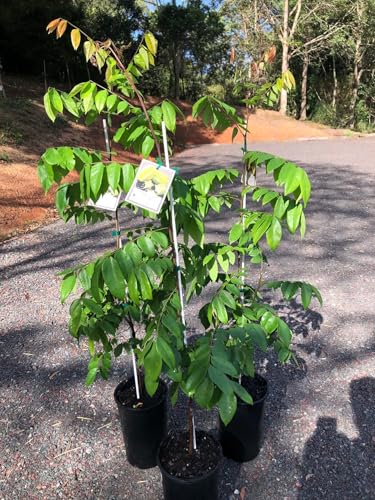
Starfruit Tree Live Carambola Tree You will receive the tree, no the fruit

🌳 3-Pack Fruit Tree Bundle Includes live apple, blueberry, blackberry trees—perfectly paired for a diverse and productive backyard orchard.
Soil Preparation for Star Fruit Trees
Star fruit trees require well-draining soil rich in organic matter. Before planting, test the soil to determine its pH level, aiming for a range between 6.0 and 6.5. Amend the soil with compost or well-rotted manure to improve fertility. Ensure proper drainage by mixing in sand or perlite if necessary. This preparation sets the foundation for healthy root development.
Soil Testing and Preparation for Star Fruit
Understanding the soil conditions is crucial for successfully growing star fruit trees in Washington. Proper soil testing and preparation will ensure that the trees receive the necessary nutrients and drainage they need to thrive in the unique climate of the Pacific Northwest. This section will guide you through the essential steps for optimal soil health.
Test the soil for pH and nutrient levels.
Amend the soil with compost or organic matter.
Mix in sand for improved drainage if needed.
Star Fruit Tree Planting Guidelines
Planting your star fruit tree correctly is essential for its growth. Choose a location that receives full sun for at least six hours daily. Dig a hole twice the width of the root ball and slightly deeper than the root ball itself. Place the tree in the hole, ensuring the root collar is level with the soil surface. Backfill with soil and water thoroughly to eliminate air pockets.
Star Fruit Tree Planting Guidelines
Planting star fruit trees in Washington requires careful consideration of the region’s unique climate and soil conditions. Understanding the specific guidelines for planting will help ensure successful growth and fruit production. This section outlines essential steps and best practices for cultivating star fruit trees in the Pacific Northwest.
Select a sunny location for planting.
Dig a hole twice the width of the root ball.
Position the tree at the correct depth.
Backfill and water to settle the soil.
Irrigation and Nutrition Strategies for Star Fruit Trees
Star fruit trees require consistent moisture, especially during their first year. Water deeply once a week, allowing the soil to dry slightly between watering. After the first year, reduce watering frequency but ensure the tree does not become drought-stressed. Fertilize with a balanced fertilizer every six to eight weeks during the growing season to promote healthy growth and fruit production.
Recommended Products

Let our professionally formulated plant food help your fruit tree grow healthy, strong AND abundantly producing

Package contains 4 Pounds organic fruit and citrus fertilizer grains and is produced to avoid wasteful runoff, mess, hazards and smells
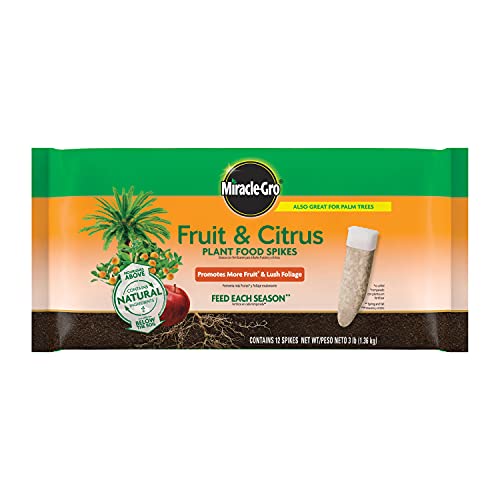
FORMULATED FOR CITRUS AND FRUIT TREES: Use these citrus fertilizer spikes on apple, orange, lemon, lime, and avocado trees; this formula is also great for feeding palm trees
Star Fruit Tree Care: Watering and Fertilization Guide
Caring for star fruit trees in Washington requires attention to specific watering and fertilization practices to ensure healthy growth in the Pacific Northwest’s unique climate. This guide outlines essential techniques to optimize moisture levels and nutrient intake, helping your star fruit trees thrive despite regional challenges. Understanding these key care elements will enhance your gardening success and fruit yield.
| Month | Watering Frequency | Fertilization Type |
|---|---|---|
| March | Weekly | Balanced fertilizer |
| April | Weekly | Balanced fertilizer |
| May | Weekly | Balanced fertilizer |
| June | Bi-weekly | Balanced fertilizer |
| July | Bi-weekly | Balanced fertilizer |
| August | Weekly | Balanced fertilizer |
| September | Bi-weekly | Balanced fertilizer |
Pest Control Strategies for Star Fruit Trees
Monitoring for pests and diseases is vital to maintaining healthy star fruit trees. Common pests include aphids and scale insects, which can be controlled with insecticidal soap or neem oil. Fungal diseases may occur in humid conditions, so ensure proper air circulation by pruning dense foliage. Regular inspections can help catch issues early before they escalate.
Recommended Products

READY-TO-USE CONTACT SPRAY: No mixing required. Thoroughly spray insecticide on all plant parts, including the underside of leaves. Pests must be sprayed directly to achieve control

PEST DEFENSE - Insecticidal Super Soap controls species of adelgid, ant, aphid, borer, caterpillar, spider mite, cricket, chinch bug, weevil, fly, thrip, & more.
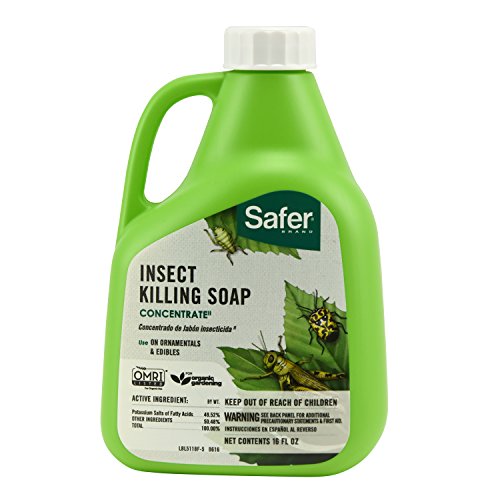
GENTLE ON MOST PLANTS - This aphid spray is ideal for use on flowers, herbs, vegetables, houseplants, lawn, tree, shrubs, and more
Pest Management Strategies for Star Fruit Trees
Effective pest management is crucial for maintaining the health and productivity of star fruit trees in Washington’s unique climate. This section outlines practical strategies tailored to the challenges of the Pacific Northwest, ensuring that growers can protect their trees from common pests while promoting robust growth and fruit yield. Understanding these methods will help in cultivating thriving star fruit trees in the region.
Inspect regularly for signs of pests.
Apply insecticidal soap as needed.
Prune for air circulation to prevent fungal issues.
Star Fruit Harvesting Techniques in Washington
Harvesting star fruit occurs when the fruit turns a golden yellow color and feels slightly soft to the touch. Use sharp pruning shears to cut the fruit from the tree, taking care not to damage the branches. Star fruit can be eaten fresh, used in salads, or made into preserves. Proper harvesting techniques ensure the best flavor and quality.
Ripeness Monitoring for Star Fruit
Monitoring the ripeness of star fruit is crucial for ensuring optimal flavor and texture. In the Pacific Northwest, where growing conditions can vary, understanding the signs of ripeness will help you harvest at the right time. This section will provide practical tips for assessing the maturity of your star fruit to enhance your gardening success.
Monitor fruit color for ripeness.
Use sharp shears to cut the fruit.
Store in a cool place until ready to use.
Star fruit trees can flourish in Washington with the right care and attention to detail. Following these guidelines will help ensure a successful growing experience.
