

Banana trees can thrive in Scottsdale, AZ with proper care and attention to their specific needs. By selecting the right varieties and implementing effective cultivation strategies, you can successfully grow these tropical plants in a desert environment.
Best Banana Tree Varieties for Scottsdale
When considering banana trees for Scottsdale’s unique desert climate, it’s essential to choose varieties that thrive in high temperatures and low humidity. The right selection can ensure a fruitful harvest while enhancing your landscape. This section explores the best banana tree varieties suited for Scottsdale, offering insights into their growth habits and care requirements.
Choosing the appropriate banana tree variety is crucial for success in Scottsdale’s climate. Consider varieties that are more tolerant of heat and drought. The following options are well-suited for desert conditions:
Dwarf Cavendish: Compact and produces sweet bananas.
Ice Cream Banana: Known for its unique flavor and ornamental appeal.
Rajapuri: Hardy and produces large fruit, ideal for warmer climates.
These varieties not only adapt well but also yield fruit in a shorter time frame compared to others.
Recommended Products

Beautiful and exotic banana: Ethiopian banana, Abyssinian banana, pseudo-banana, fake banana and wild banana, is a herbaceous flowering plant species of the Musaceae banana family

You are buying 2 Live Plants Musa Basjoo Banana Trees 5-6" Tall
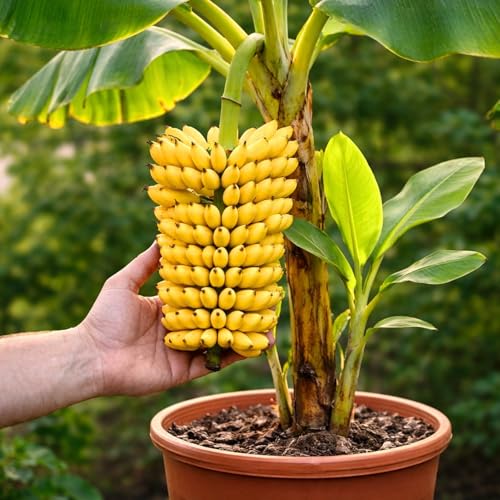
🍌 Premium Banana Seeds: High-quality banana seeds selected for planting and growing healthy tropical banana plants.
Scottsdale Climate Impact on Banana Trees
Scottsdale’s unique desert climate presents both challenges and opportunities for growing banana trees. Understanding the specific weather patterns, temperature fluctuations, and seasonal changes in this region is crucial for successful cultivation. This section delves into how these climatic factors influence the growth and health of banana trees in Scottsdale.
Scottsdale’s climate presents unique challenges for growing banana trees. The extreme heat and low humidity can stress these plants. Key factors to consider include:
Temperature: Banana trees thrive in temperatures between 75°F and 95°F.
Frost Risk: Protect young plants from frost, which can occur in winter months.
Soil Quality: Well-draining, nutrient-rich soil is essential for healthy growth.
Understanding these challenges will help you mitigate risks and promote a healthy growing environment.
Effective Watering Strategies for Banana Trees
Successfully growing banana trees in Scottsdale’s arid climate requires a keen understanding of effective watering strategies. Given the region’s limited rainfall and high temperatures, implementing the right techniques is crucial for ensuring these tropical plants thrive. This section explores practical methods to optimize water usage and promote healthy growth for banana trees in a desert environment.
Proper watering is vital for banana trees, especially in a desert climate. Overwatering can lead to root rot, while underwatering can stunt growth. Follow these guidelines for effective watering:
Water deeply once a week, allowing the soil to dry out slightly between sessions.
Use mulch to retain moisture and regulate soil temperature.
Monitor soil moisture with a moisture meter to avoid guesswork.
Implementing these techniques will ensure your banana trees receive adequate hydration without the risk of over-saturation.
Fertilization Techniques for Banana Trees
Fertilizing banana trees in Scottsdale’s unique desert environment requires careful consideration of soil composition and nutrient needs. Proper fertilization techniques can significantly enhance growth and fruit production, ensuring these tropical plants thrive despite the arid climate. Understanding the right timing and types of fertilizers is essential for successful cultivation in this region.
Regular fertilization is necessary for robust banana tree growth. A balanced fertilizer will provide essential nutrients. Consider the following steps:
Apply a slow-release fertilizer every 6-8 weeks during the growing season.
Use a fertilizer high in potassium to enhance fruit production.
Supplement with organic compost to improve soil health.
These practices will boost growth and fruit yield, ensuring your banana trees thrive.
Pest and Disease Management for Banana Trees
Managing pests and diseases is crucial for the successful cultivation of banana trees, especially in the unique climate of Scottsdale, AZ. Understanding the specific threats these trees face in a desert environment can help growers implement effective strategies to protect their plants and ensure a healthy yield. This section explores essential management practices tailored for banana trees in arid conditions.
Pests and diseases can threaten the health of banana trees. Regular monitoring and preventive measures are essential. Focus on the following key areas:
Common Pests: Aphids, spider mites, and banana weevils can damage leaves and fruit.
Disease Prevention: Fungal infections can be mitigated with proper air circulation and watering techniques.
Organic Solutions: Use insecticidal soap or neem oil as natural pest deterrents.
Regular inspections will help you catch issues early and maintain healthy plants.
Recommended Products

PLANT DISEASE CONTROL: Natria Neem Oil acts as an insecticide and fungicide in one convenient spray; Ready-to-use trigger sprayer requires no mixing


ADVANCED FORMULA: Emulsifiers built into the formula so you just add water. 100% pure oils require an emulsifier to allow oil and water to mix. Nature's IQ has this already built in so you just add water.
Planting Considerations for Scottsdale Banana Trees
Planting banana trees in Scottsdale, AZ, presents unique challenges and opportunities due to the region’s desert climate. Understanding the specific conditions necessary for successful growth is essential for anyone looking to cultivate these tropical plants in an arid environment. This section delves into important factors to consider when planting banana trees in Scottsdale.
When planning to plant banana trees in Scottsdale, consider the following logistics for successful cultivation:
| Factor | Recommendation |
|---|---|
| Planting Time | Late spring to early summer |
| Spacing | 8 to 10 feet apart for optimal growth |
| Sunlight | Full sun exposure for at least 6 hours daily |
These logistical considerations will set the foundation for healthy growth and fruit production.
Microclimate Strategies for Banana Trees
Growing banana trees in Scottsdale, AZ, can be a rewarding endeavor if you understand the unique microclimates within the area. By utilizing specific strategies tailored to the desert environment, you can create optimal conditions for these tropical plants to thrive, ensuring a fruitful harvest even in challenging climates. Explore these effective methods to enhance your banana tree cultivation.
In Scottsdale, creating a microclimate can enhance the growing conditions for banana trees. This involves manipulating the environment to provide more favorable conditions. Consider these strategies:
Plant near a south-facing wall to reflect heat.
Use windbreaks to protect from harsh winds.
Incorporate shade cloth during peak summer months to reduce heat stress.
Implementing these strategies will help create a more hospitable environment for your banana trees.
Desert Banana Tree Care Insights
Caring for banana trees in Scottsdale’s arid climate requires specific strategies to ensure their health and productivity. Understanding the unique challenges posed by the desert environment is essential for successful cultivation. This section provides valuable insights into effective care techniques tailored for banana trees thriving in luxury desert settings.
Growing banana trees in Scottsdale requires careful planning and attention to detail. Monitor environmental conditions and adjust care practices as needed. With dedication, you can enjoy the fruits of your labor in this unique desert setting.
