

Cherry trees thrive in West Virginia’s Appalachian Mountains, offering stunning blooms and delicious fruit. Their adaptability to the region’s climate and soil conditions makes them a popular choice for both home gardeners and commercial orchards.
West Virginia Cherry Tree Varieties Overview
West Virginia boasts a diverse array of cherry tree varieties that thrive in its unique Appalachian climate. This section delves into the specific types of cherry trees found in the region, highlighting their characteristics, growth conditions, and the role they play in local ecosystems and agriculture. Understanding these varieties is essential for anyone interested in cultivating or appreciating cherry trees in West Virginia.
West Virginia is home to several cherry tree varieties, each with unique characteristics. The most common types include sweet cherries, sour cherries, and ornamental cherries.
Sweet cherries are typically larger and sweeter, making them ideal for fresh eating. Sour cherries are smaller and more tart, perfect for baking and preserves. Ornamental varieties provide beautiful blooms but are not fruit-bearing.
| Cherry Type | Flavor Profile | Best Uses |
|---|---|---|
| Sweet Cherry | Sweet | Fresh eating, desserts |
| Sour Cherry | Tart | Baking, preserves |
| Ornamental Cherry | Mild | Landscaping |
Recommended Products

This 1-pound bag of Cherry Sours delivers bright color and bold flavor, offering a lively mix of tartness and chew that fans of classic fruity treats and modern sour candy can enjoy anytime

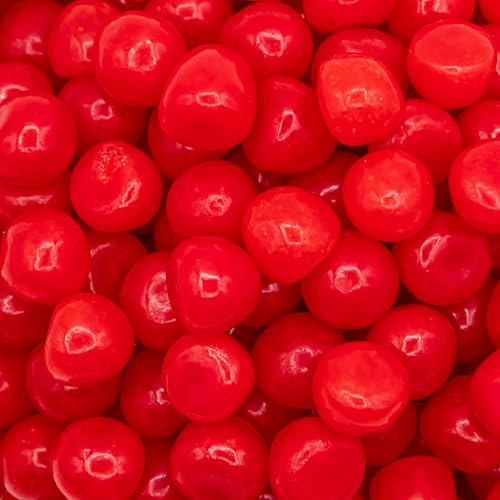
This bulk bag holds 2 pounds of Old-Fashioned Cherry Sours Chewy Candy Balls
Optimal Soil and pH for Cherry Trees
Understanding the optimal soil conditions and pH levels is crucial for cultivating healthy cherry trees in West Virginia’s unique Appalachian environment. This section delves into the specific soil types and pH ranges that promote robust growth, ensuring that growers can maximize their yields and enjoy the fruits of their labor.
Cherry trees require specific conditions to flourish in West Virginia. They thrive in well-drained soil with a pH between 6.0 and 7.0.
Full sunlight is essential for optimal growth, as cherry trees need at least six hours of direct sunlight daily. Proper spacing is also crucial; trees should be planted 20 to 30 feet apart to allow for adequate air circulation.
Recommended Products

KNOW BEFORE YOU GROW | Grow the healthiest, sustainable lawn and garden with the most accurate and easy to use professional soil test kit on the market

Accurate Soil pH Testing: Dewildetradingco Soil pH Test Strips offer measurements of soil pH levels (pH 3.5-9). As an essential tool for every gardener and grower, these test strips help determine the optimal pH for various plants, such as outdoor plants, indoor plants, gardens, grass lawns, fruit trees, flowers, vegetables, and forest shrubs.

Kindly NOTE: This soil tester can not be applied to test pH value of any other liquid. If the soil is too dry the indicator will not move, and water it before testing.
Soil Preparation Techniques for Cherry Trees
Preparing the soil is crucial for the successful growth of cherry trees in West Virginia’s unique Appalachian environment. This section explores effective techniques tailored to enhance soil quality, ensuring optimal conditions for cherry tree cultivation. By focusing on the right preparation methods, growers can significantly improve their chances of a fruitful harvest.
To ensure healthy growth, follow these steps for soil preparation and planting:
Test Soil – Use a soil test kit to determine pH and nutrient levels.
Amend Soil – Add organic matter such as compost to improve drainage and fertility.
Select Location – Choose a site with full sun exposure and good air circulation.
Dig Holes – Prepare holes that are twice as wide and as deep as the root ball.
Plant Trees – Place the tree in the hole, ensuring the root collar is level with the soil surface.
Water Thoroughly – Provide ample water immediately after planting to settle the soil.
Pests and Diseases Impacting Cherry Trees
Cherry trees in West Virginia face various pests and diseases that can significantly affect their health and productivity. Understanding these threats is crucial for maintaining the vitality of these trees, especially in the unique Appalachian Mountain environment. This section explores the most common challenges that cherry trees encounter in this region.
Cherry trees can be susceptible to various pests and diseases. Common issues include:
Cherry Fruit Fly – Larvae can damage fruit.
Brown Rot – A fungal disease affecting blossoms and fruit.
Powdery Mildew – A fungal infection that appears as a white powder on leaves.
Recommended Products

3-in-1 FORMULA: Aphid spray for outdoor plants for use on roses, flowers, shrubs and trees to control listed insects, disease and mites

Control diseases and insects in your garden with Captain Jack’s Fruit Tree Spray Concentrate! Use on a variety of listed fruits, nuts and citrus plants.

KILLS LISTED FRUIT & CITRUS TREE INSECTS: Controls Asian Citrus Psyllid, Whiteflies, Aphids Thrips, Citrus Leafminers, Leafhoppers, Blackfly, Mealybugs, Scales, Avocado Lacebugs, Oriental Beetles, Flea Beetles, Sharpshooters, and Spittlebugs
Pest Management Techniques for Cherry Trees
Effective pest management is crucial for maintaining healthy cherry trees in West Virginia’s unique Appalachian environment. This section explores various techniques tailored to combat common pests that threaten cherry tree health, ensuring optimal growth and fruit production. By implementing these strategies, growers can enhance their yields and contribute to the region’s agricultural success.
Implementing integrated pest management can help control these issues effectively. Consider these strategies:
Regular Monitoring – Inspect trees weekly for signs of pests or disease.
Cultural Practices – Maintain proper spacing and pruning to enhance air circulation.
Natural Predators – Encourage beneficial insects that prey on pests.
Organic Treatments – Use neem oil or insecticidal soap as needed.
Cherry Harvesting Techniques and Storage Tips
Harvesting cherries at the right time is critical for flavor and quality. Sweet cherries should be picked when fully ripe, while sour cherries can be harvested slightly under ripe for better baking results. Use the following steps for harvesting and storing:
Check Ripeness – Look for deep color and slight softness.
Gently Twist – Remove cherries by twisting them off the stem to avoid damaging the tree.
Store Properly – Place cherries in a breathable container and refrigerate immediately.
Cherry Storage Techniques for Optimal Freshness
Proper storage techniques are essential for maintaining the freshness of cherries harvested in West Virginia’s Appalachian region. With the unique climate and conditions influencing their quality, understanding effective methods can significantly extend their shelf life and preserve their flavor. This section explores various strategies to ensure that these cherries remain at their best from farm to table.
To ensure cherries maintain their freshness, follow these storage tips:
Do Not Wash – Avoid washing until ready to eat to prevent spoilage.
Use Paper Towels – Line containers with paper towels to absorb moisture.
Consume Quickly – Aim to eat or process cherries within a week for optimal flavor.
Cherry Tree Cultivation Strategies in West Virginia
Cherry tree cultivation in West Virginia presents unique opportunities and challenges due to the region’s distinct climate and soil conditions. Understanding effective strategies for planting, care, and harvesting can significantly enhance yields and fruit quality. This section delves into practical approaches tailored to the Appalachian landscape, ensuring successful cherry production in this picturesque area.
When growing cherry trees in West Virginia, planning is essential for long-term success. Consider the following factors:
Climate Considerations – Understand local weather patterns and frost dates.
Pollination Needs – Some varieties require cross-pollination for fruit set.
Long-Term Care – Regular pruning and fertilization will enhance tree health and productivity.
Disease-Resistant Cherry Tree Varieties
Exploring disease-resistant cherry tree varieties is essential for successful cultivation in West Virginia’s Appalachian region. These specially bred trees not only thrive in local conditions but also offer resilience against common diseases, ensuring a fruitful harvest. Understanding these varieties can help both novice and experienced growers make informed choices for their orchards.
Choose disease-resistant varieties.
Monitor soil moisture levels closely.
Engage in seasonal pruning to promote growth.
Implementing these strategies will lead to a successful cherry tree harvest in the Appalachian Mountains.
