

Almond trees can grow in Maryland, but success depends on specific conditions and care. The Mid-Atlantic climate poses challenges, so proper selection of varieties and planting techniques is essential for healthy growth.
Maryland Climate Considerations for Almond Cultivation
Maryland’s climate features hot summers and cold winters, which can be challenging for almond trees. These trees thrive in Mediterranean climates with mild, wet winters and hot, dry summers. To grow almonds successfully, select varieties that can withstand colder temperatures and ensure proper planting techniques.
Recommended Products

Seed Preparation: Soak the seeds in room-temperature water for 24–48 hours to soften the outer shell and promote germination.

Live Tree - May Arive Dormant in Winter(No Leaves)
Recommended Almond Varieties for Maryland Climate
When considering almond cultivation in Maryland, selecting the right variety is crucial for success. The Mid-Atlantic climate presents unique challenges and opportunities, making it essential to choose almond trees that thrive in this region. The following varieties are particularly well-suited for Maryland’s conditions, offering the best chances for healthy growth and fruitful harvests.
Choosing the right almond variety is crucial for successful growth in Maryland. Some varieties are more resilient to colder temperatures and can adapt to the region’s climate. Consider these options:
Carmel: Known for its high yield and adaptability.
Tuono: A hardy variety that can withstand colder temperatures.
Nonpareil: Popular for its quality nuts but requires more care.
Soil Quality and Planting Guidelines
Understanding soil quality and following proper planting guidelines are crucial for successfully growing almond trees in Maryland. The region’s unique climate and soil characteristics require specific attention to ensure optimal growth and yield. This section will delve into the best practices for preparing your soil and planting techniques tailored for the Mid-Atlantic environment.
Soil quality significantly impacts almond tree growth. Almonds prefer well-drained, sandy loam soil with a pH between 6.0 and 7.5. Follow these steps for optimal planting:
Test Soil: Conduct a soil test to determine pH and nutrient levels.
Amend Soil: Add organic matter to improve drainage and nutrient content.
Choose Location: Select a sunny spot with protection from harsh winds.
Plant Trees: Space trees 15 to 20 feet apart to allow for growth.
Almond Tree Watering and Fertilization Practices
Proper watering and fertilization are crucial for the successful growth of almond trees in Maryland’s climate. Understanding the specific needs of these trees will help ensure they thrive in the Mid-Atlantic region. This section outlines effective practices for maintaining optimal soil moisture and nutrient levels to support healthy almond tree development.
Proper watering and fertilization are essential for almond tree health. These trees require consistent moisture, especially during the growing season. Implement these practices:
Watering: Deeply water trees every 2-4 weeks during dry spells.
Fertilization: Apply a balanced fertilizer in early spring and again in mid-summer.
| Fertilizer Type | Application Timing | Rate |
|---|---|---|
| Balanced Fertilizer | Early Spring | 1 lb per tree |
| Balanced Fertilizer | Mid-Summer | 1 lb per tree |
Almond Tree Pest and Disease Control
Almond trees can be susceptible to various pests and diseases, which can hinder their growth and productivity in Maryland’s climate. Understanding the common threats and implementing effective control measures is crucial for successful almond cultivation in the Mid-Atlantic region. This section will explore the key pests and diseases affecting almond trees and provide practical strategies for managing them.
Pests and diseases can threaten almond trees. Regular monitoring and preventive measures are key to maintaining tree health. Focus on these common issues:
Pests: Aphids and spider mites can damage leaves. Use insecticidal soap for control.
Diseases: Fungal infections like powdery mildew can occur. Ensure good air circulation and apply fungicides as needed.
Almond Harvesting Techniques and Care
Harvesting almonds requires careful timing and specific techniques to ensure the best yield and quality. In Maryland’s climate, understanding the nuances of almond care, from irrigation to pest management, is essential for a successful harvest. This section will explore effective methods for harvesting and maintaining almond trees in the Mid-Atlantic region.
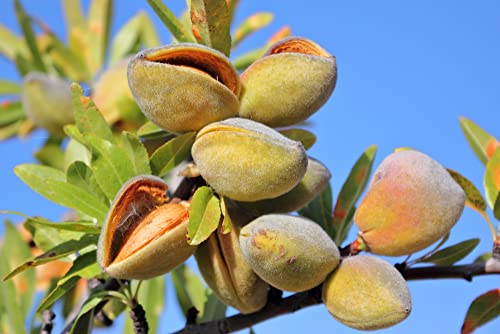
Harvesting almonds requires timing and care. Nuts are ready when the hulls split open, usually in late summer to early fall. Follow these steps for effective harvesting:
Monitor Nuts: Check for hull splitting regularly.
Harvest: Use a mechanical shaker or hand-pick nuts.
Drying: Spread nuts in a single layer to dry for several days.
Ensure nuts are completely dry before storage to prevent mold.
Maryland Almond Cultivation Resources
Exploring the potential for almond cultivation in Maryland requires a solid understanding of local resources and best practices. This section provides essential information on soil conditions, climate considerations, and regional support systems that can help aspiring almond growers succeed in the Mid-Atlantic. By leveraging these resources, you can enhance your chances of a fruitful almond harvest.
Utilize local agricultural extensions and gardening clubs for support. These resources can provide valuable information on almond cultivation in Maryland. Consider joining local forums or attending workshops to connect with experienced growers.
| Resource Type | Contact Information |
|---|---|
| Local Agricultural Extension | Contact your county office for advice |
| Gardening Clubs | Search for clubs in your area |
Implementing these strategies will enhance the chances of success when growing almond trees in Maryland. Proper selection of varieties, soil preparation, and ongoing care are essential to thriving almond orchards.
