

Choosing the right fruit trees for Arkansas can enhance your garden and provide fresh produce. Local homeowners should prioritize varieties that thrive in the state’s climate, such as apple, peach, and fig trees, to ensure successful growth and fruit production.
Best Fruit Tree Varieties for Arkansas
Selecting the right fruit tree varieties is crucial for homeowners in Arkansas looking to cultivate a thriving garden. The state’s unique climate and soil conditions influence which trees will flourish and produce abundant fruit. Understanding these optimal varieties can help ensure a successful and rewarding gardening experience.
Understanding which fruit trees flourish in Arkansas is crucial for successful gardening. The state’s climate features hot summers and mild winters, making it ideal for specific varieties. Homeowners should consider the following popular options:
Apple Trees: Varieties like ‘Arkansas Black’ and ‘Granny Smith’ thrive well.
Peach Trees: ‘Elberta’ and ‘Redhaven’ are reliable choices.
Fig Trees: ‘Celeste’ and ‘Brown Turkey’ are hardy and productive.
Choosing the right variety ensures better yield and easier maintenance.
Recommended Products

BEGINNER-FRIENDLY & EASY TO GROW – Perfect for first-time bonsai growers, simple planting and care instructions

🌳 3-Pack Fruit Tree Bundle Includes live apple, blueberry, blackberry trees—perfectly paired for a diverse and productive backyard orchard.

Multi-Variety Seeds: Contains lemon, apple, blueberry, orange, and cherry seeds, totaling over 150 seeds.
Soil Preparation Techniques for Arkansas Fruit Trees
Proper soil preparation is essential for the successful growth of fruit trees in Arkansas. The unique climate and soil conditions in the region require specific techniques to ensure optimal health and productivity. Understanding these methods can help homeowners create a thriving environment for their fruit trees, leading to bountiful harvests.
Soil preparation is vital for healthy fruit trees. Arkansas soil can vary, so testing pH and nutrient levels is essential.
Aim for a pH between 6.0 and 6.8 for optimal growth. Follow these steps to prepare your soil:
Test Soil: Use a soil test kit to determine pH and nutrient levels.
Amend Soil: Add organic matter like compost to improve drainage and fertility.
Tillage: Loosen the soil to a depth of at least 12 inches for better root penetration.
Proper soil preparation leads to robust tree growth and higher fruit yields.
Effective Watering Strategies for Arkansas Fruit Trees
Proper watering is crucial for the success of fruit trees in Arkansas, where varying climate conditions can impact growth. Understanding effective watering strategies tailored to the region can help homeowners nurture their trees, ensuring healthy development and fruitful yields. This section explores practical techniques to optimize water usage and enhance the vitality of your fruit trees.
Watering is a critical aspect of maintaining healthy fruit trees. In Arkansas, the weather can vary, impacting water needs. Implement these watering techniques to ensure your trees thrive:
Deep Watering: Water deeply once a week, especially during dry spells.
Mulch Application: Apply a 3-inch layer of mulch around the base to retain moisture.
Drip Irrigation: Consider installing a drip irrigation system for efficient watering.
Monitoring soil moisture helps prevent overwatering and underwatering.
Pest and Disease Defense for Arkansas Fruit Trees
Maintaining the health of fruit trees in Arkansas requires vigilance against pests and diseases that can threaten their growth and productivity. Understanding the specific challenges faced by local homeowners is essential for implementing effective defense strategies. This section will explore practical tips and methods to protect your fruit trees from common threats in the region.
Pest and disease management is essential for the health of your fruit trees. Arkansas’s humid climate can foster various pests and diseases. Implement these protective measures:
Regular Inspections: Check trees weekly for signs of pests or disease.
Organic Pesticides: Use neem oil or insecticidal soap as a preventive measure.
Pruning: Remove dead or diseased branches to improve air circulation.
Taking proactive steps minimizes the risk of infestations and diseases.
Recommended Products

FUNGAL DISEASE CONTROL: Prevents and controls black spot on roses, powdery mildew, rust, downy mildew, and other listed fungal diseases when applied on a 7–14 day schedule
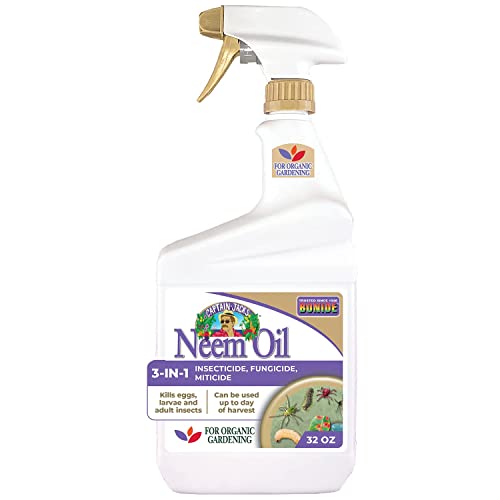
Protect your oasis with 3 garden products in 1 from Captain Jack’s; Bonide Captain Jack’s Ready-to-Use Neem Oil spray for plants is a multi-purpose fungicide, insecticide and miticide for your lawn & garden
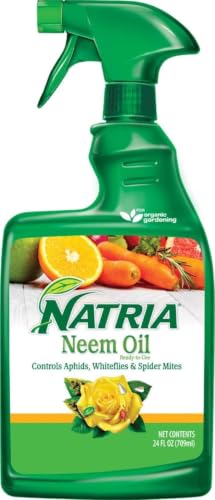
PLANT DISEASE CONTROL: Natria Neem Oil acts as an insecticide and fungicide in one convenient spray; Ready-to-use trigger sprayer requires no mixing
Pruning Techniques for Arkansas Fruit Trees
Pruning is essential for maintaining healthy fruit trees in Arkansas, as it promotes better growth and fruit production. Understanding the specific techniques suited to the region’s climate and tree varieties can significantly enhance the success of your orchard. This section delves into effective pruning methods tailored for local homeowners looking to optimize their fruit tree yields.
Pruning is crucial for maintaining the shape and health of fruit trees. Proper pruning encourages better air circulation and sunlight penetration. Follow these guidelines for effective pruning:
Timing: Prune in late winter or early spring before new growth starts.
Tools: Use sharp, clean pruning shears to make clean cuts.
Technique: Remove dead, damaged, or crossing branches first, then shape the tree.
Regular pruning enhances fruit quality and tree longevity.
Arkansas Fruit Trees Data Overview
Understanding the types of fruit trees that thrive in Arkansas is essential for local homeowners looking to cultivate a fruitful garden. This overview provides key insights into the varieties best suited for the region, considering factors such as climate, soil conditions, and common pests. By leveraging this data, homeowners can make informed decisions to enhance their gardening success.
| Fruit Tree Type | Best Varieties | Ideal Spacing | Growth Habit |
|---|---|---|---|
| Apple | Arkansas Black, Granny Smith | 15-20 feet | Upright |
| Peach | Elberta, Redhaven | 15-20 feet | Spreading |
| Fig | Celeste, Brown Turkey | 10-15 feet | Bushy |
This table summarizes essential information for homeowners to make informed choices about planting and spacing their fruit trees.
Optimal Planting Season for Arkansas Fruit Trees
Understanding the optimal planting season for fruit trees in Arkansas is crucial for local homeowners looking to cultivate a thriving garden. The timing can significantly impact tree establishment and future fruit production, making it essential to align planting efforts with the region’s climate and seasonal patterns. This section delves into the best times to plant various fruit trees in Arkansas for maximum success.
Timing is critical when planting fruit trees in Arkansas. The best time to plant is during the dormant season, typically from late fall to early spring. Consider these factors when planning your planting schedule:
Frost Dates: Be aware of the last frost date in your area.
Tree Type: Some trees may have specific planting windows based on their growth cycles.
Soil Temperature: Ensure the soil temperature is above 50°F for successful root establishment.
Proper timing ensures that trees establish roots effectively before the growing season begins.
