
Close Menu
    Fruit Tree Hub
    • Home
    • Apple Trees
    • Lemon Trees
    • Mango Trees
    • Orange Trees
    • More Trees
      • Best Fruit Trees
      • Apricot Trees
      • Cherry Trees
      • Fig Trees
      • Lime Trees
      • Mulberry Trees
      • Peach Trees
      • Pear Trees
      • Plum Trees
      • Pomegranate Trees
    • Tips and Advice
      • Tools
    • About Us
      • Contact
      • Privacy Policy
    Fruit Tree Hub
    Home»Fruit Trees»Tamarind Trees»Can Tamarind Trees Be Grown Indoors
    Tamarind Trees

    Can Tamarind Trees Be Grown Indoors

    Lucy SmithBy Lucy SmithMarch 30, 20244 Mins Read
    Share Facebook Twitter Pinterest WhatsApp Email
    Share
    Facebook Twitter LinkedIn Pinterest Telegram Email

    Did you know that tamarind trees can thrive indoors with the right care? Imagine having your own tangy, sweet tamarind supply right in your home.

    Contents show
    1 Key Takeaways
    2 Suitable Conditions for Indoor Tamarind Tree Growth
    3 Choosing the Right Tamarind Tree Variety for Indoors
    4 Planting and Potting Tamarind Trees Indoors
    5 Care and Maintenance of Indoor Tamarind Trees
    6 Harvesting Tamarind From Indoor Trees
    7 Conclusion

    But before you start planting, it's important to understand the specific requirements for growing tamarind trees indoors. From choosing the right variety to providing proper care, there's a lot to consider.

    Let's explore the potential of growing tamarind trees indoors and how you can make it a reality.

    Key Takeaways

    • Tamarind trees can be grown indoors under suitable conditions.
    • Dwarf varieties like 'Mocan' or 'Manila' are recommended for indoor growth.
    • Proper potting and regular maintenance, including pruning and pest control, are necessary for indoor tamarind tree care.
    • Harvesting tamarind pods when they turn brown and brittle allows for the preparation of various recipes.

    Suitable Conditions for Indoor Tamarind Tree Growth

    You can successfully grow an indoor tamarind tree by providing the right conditions for its growth.

    When it comes to indoor lighting, tamarind trees thrive in bright, indirect sunlight. Placing them near a south-facing window or using grow lights can ensure they receive adequate light for healthy growth.

    Additionally, maintaining the soil pH between 6.0 and 7.0 is crucial for the tamarind tree's well-being. You can achieve this by using well-draining, slightly acidic soil and periodically testing the pH levels.

    MUST READ
    How to Prune Tamarind Trees Effectively

    Remember to water the tree regularly, but allow the soil to dry out between waterings to prevent root rot.

    Choosing the Right Tamarind Tree Variety for Indoors

    To ensure successful growth of your indoor tamarind tree, it's important to select the right variety that's well-suited for indoor conditions and complements the suitable lighting and soil pH you've established.

    When choosing a tamarind tree variety for indoors, opt for dwarf varieties such as 'Mocan' or 'Manila' as they're better suited to limited space and can be managed through pruning.

    Proper lighting is crucial for indoor tamarind trees, so consider placing them near a south-facing window to ensure they receive adequate sunlight.

    Additionally, regular pruning is essential to maintain the tree's size and shape indoors.

    Keep an eye out for pests, as indoor tamarind trees are susceptible to spider mites and scale insects.

    Recommended Products

    Mixrug Mix Dwarf Bonsai Fruit Tree Seeds for Planting, 40+ Apples Tree,40+ Lemon Tree Seeds,40+ Orange, 20+ Blueberry,40+ Cherry 5 Variety Individual Packs, Fruits Seeds Non-GMO Heirloom Organic
    Mixrug Mix Dwarf Bonsai Fruit Tree Seeds for Planting, 40+ Apples Tree,40+ Lemon Tree Seeds,40+ Orange, 20+ Blueberry,40+ Cherry 5 Variety Individual Packs, Fruits Seeds Non-GMO Heirloom Organic

    Product Quantity: 180+ premium bonsai fruit seeds across 5 varieties; Individual packs contain 40+ apple, 40+ lemon, 40+ orange, 20+ blueberry, and 40+ cherry seeds; Perfect for starting a diverse miniature orchard

    VIEW LATEST PRICE

    As an affiliate, we earn on qualifying purchases.

    Dwarf Lemon Bonsai Tree Seeds, 20 Seeds, Grow a Delicious Fruit Bearing Bonsai Tree, Great for Home Gardening
    Dwarf Lemon Bonsai Tree Seeds, 20 Seeds, Grow a Delicious Fruit Bearing Bonsai Tree, Great for Home Gardening

    LEMON BONSAI TREE SEEDS: Citrus seeds have approx 50% germination rate and we recommend planting them immediately after receiving, or store them in a fridge until you plant them.

    MUST READ
    Where to Plant Tamarind Trees for Best Fruit Production
    VIEW LATEST PRICE

    As an affiliate, we earn on qualifying purchases.

    30+ Bonsai Orange Tree Seeds Dwarf Heirloom Bearing Bonsai Tree Fruit Garden
    30+ Bonsai Orange Tree Seeds Dwarf Heirloom Bearing Bonsai Tree Fruit Garden

    1. Peel the fruit directly and remove the seeds.

    VIEW LATEST PRICE

    As an affiliate, we earn on qualifying purchases.

    Planting and Potting Tamarind Trees Indoors

    When planting and potting tamarind trees indoors, it's essential to choose a well-draining potting mix and a container that provides ample space for root development. Opt for a container that's at least 24 inches in diameter and 18 inches deep to accommodate the tree's expansive root system. Ensure the pot has drainage holes to prevent waterlogging, which can lead to root rot.

    Use a high-quality potting mix that allows for proper drainage while retaining moisture. Place the potted tamarind tree in a location that receives full sunlight for at least 6-8 hours a day. South-facing windows typically provide the best light exposure. If natural light is insufficient, consider using a grow light to supplement the tree's sunlight requirements.

    Proper container size and adequate sunlight are crucial for the successful growth of tamarind trees indoors.

    Recommended Products
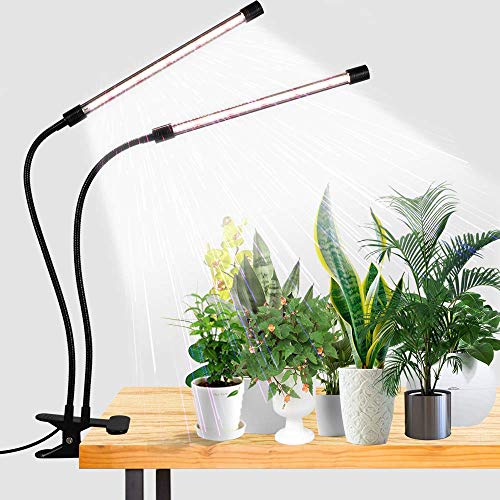
    yadoker Plant Grow Light, LED Growing Light Full Spectrum for Indoor Plants,Height Adjustable, Automatic Timer, 5V Low Safe Voltage,Idea for Large Plant Light
    yadoker Plant Grow Light, LED Growing Light Full Spectrum for Indoor Plants,Height Adjustable, Automatic Timer, 5V Low Safe Voltage,Idea for Large Plant Light

    Designed for Large & Tall Indoor Plants:Designed specifically for large indoor plants and tall plants that need stronger and wider light coverage. Helps big plants thrive even in low-light areas like living rooms, corners, or offices.Provides full spectrum light (380nm–800nm) to support every stage of plant growth. A perfect sunlight replacement for indoor plants.

    MUST READ
    Is Tamarind Tree Bark Medicinally Beneficial
    VIEW LATEST PRICE

    As an affiliate, we earn on qualifying purchases.

    Kullsinss 6.3in Grow Lights for Indoor Plants, Full Spectrum Plant Light
    Kullsinss 6.3in Grow Lights for Indoor Plants, Full Spectrum Plant Light

    Elegant Faux Woodgrain Design: This halo grow light has a unique faux woodgrain design that complements any interior space. Compared with other plant lamps using bamboo materials, ours will not crack or fall off. Whether it’s used as a light for indoor plants or adding a stylish content to your home decor, this plant lamp is both practical and beautiful

    VIEW LATEST PRICE

    As an affiliate, we earn on qualifying purchases.

    yadoker Plant Grow Light, LED Growing Light Full Spectrum for Indoor Plants,Height Adjustable, Automatic Timer, 5V Low Safe Voltage,Idea for Large Plant Light
    yadoker Plant Grow Light, LED Growing Light Full Spectrum for Indoor Plants,Height Adjustable, Automatic Timer, 5V Low Safe Voltage,Idea for Large Plant Light

    Designed for Large & Tall Indoor Plants:Designed specifically for large indoor plants and tall plants that need stronger and wider light coverage. Helps big plants thrive even in low-light areas like living rooms, corners, or offices.Provides full spectrum light (380nm–800nm) to support every stage of plant growth. A perfect sunlight replacement for indoor plants.

    VIEW LATEST PRICE

    As an affiliate, we earn on qualifying purchases.

    Care and Maintenance of Indoor Tamarind Trees

    For optimal growth and health of your indoor tamarind tree, regular watering and proper pruning are essential maintenance tasks. When it comes to watering, ensure the soil is consistently moist but well-drained to prevent waterlogging, which can lead to root rot. Additionally, incorporating proper pruning techniques and pest control are crucial for the overall well-being of your tamarind tree. Here are some key tips for care and maintenance:

    MUST READ
    The Best Soil Conditions for Tamarind Trees
    Maintenance TaskDescriptionFrequency
    WateringKeep soil consistently moist but well-drainedEvery 7-10 days
    PruningRemove dead or diseased branches, shape tree for growthAnnually
    Pest ControlMonitor for aphids, mites, and scale insectsMonthly inspection

    Harvesting Tamarind From Indoor Trees

    Harvesting tamarind from your indoor trees can be a rewarding experience, offering the opportunity to enjoy the fresh, tangy fruit right from your own home.

    When your indoor tamarind tree starts fruiting, wait for the pods to turn brown and become brittle before harvesting. Gently twist or cut the pods from the tree, being careful not to damage the branches.

    Once harvested, the tamarind pods can be used in a variety of delicious recipes. You can make tamarind chutney, sauces, or even tamarind juice. The sweet and sour flavor of tamarind adds a unique taste to both savory and sweet dishes.

    With your own indoor fruiting tamarind tree, you'll have a fresh supply of this versatile ingredient to explore exciting culinary creations.

    Conclusion

    In the right conditions and with the right variety, you can successfully grow a tamarind tree indoors. Remember to provide ample sunlight, well-draining soil, and regular watering.

    With care and attention, you can enjoy the satisfaction of harvesting your own tamarind fruit from the comfort of your home.

    Happy gardening!

    Share. Facebook Twitter Pinterest LinkedIn Tumblr Email
    lucy smith
    Lucy Smith
    • Website

    Lucy Smith is a highly experienced horticulturist with a passion for fruit tree cultivation. She holds a degree in Horticulture from the University of California, Davis, and has worked in various roles in the industry. With over 10 years of experience, Lucy is dedicated to using eco-friendly methods for sustainable gardening practices.

    Related Posts

    How to Identify Different Tamarind Tree Varieties

    March 30, 2024

    Why Do Tamarind Trees Have Long Seed Pods

    March 30, 2024

    Can Tamarind Trees Grow in Cold Climates

    March 30, 2024

    The Best Soil Conditions for Tamarind Trees

    March 30, 2024

    How to Properly Water Tamarind Trees

    March 30, 2024

    Are Tamarind Trees Suitable for Small Gardens

    March 30, 2024
    Leave A Reply Cancel Reply

    Affiliate Disclosure

    As an Amazon Associate I earn from qualifying purchases.

    Recommended Reading

    What Fruit Trees Grow in San Antonio TX: A Guide to Thriving Varieties and Care Tips

    Why Does My Olive Tree Not Bear Fruit: Key Factors and Solutions for Thriving Growth

    Thriving Fruit Trees in Hot, Dry Climates: Best Varieties & Care Tips

    Are Walnut Trees Suitable for Small Gardens

    Growing Kiwi Berry Seeds Successfully at Home: A Comprehensive Guide

    Persimmon Trees in a Pot in Texas (The Ultimate Lone Star Potting Guide)

    Why is My Nectarine Tree Dying? Symptoms, Care Tips & Expert Solutions

    What Fruit Trees Grow in Idaho: A Complete Guide to Thriving Varieties and Care Tips

    When Is a Good Time to Plant Fruit Trees for Maximum Growth and Delicious Harvests

    Best Tangerine Trees for Phoenix, AZ: Varieties, Planting Tips & More

    Fruit Tree Hub

    Fruit Tree Hub is a website dedicated to providing you everything you need to grow fruit trees successfully at in your own yard.

    Contact us at: [email protected]

    - AFFILIATE DISCLOSURE: As an Amazon Associate I earn from qualifying purchases.

    Latest Posts

    Can Olive Trees Grow in New Jersey? Garden State Growth Tips

    Can Star Fruit Trees Grow in Missouri? Expert Variety Guide

    How to Grow Jujube Trees in Las Vegas, NV: Desert Growth

    Mango Trees in Illinois: Indoor and Greenhouse Growth Secrets

    Growing Papaya Trees in Oklahoma: High Heat Resilience

    Tamarind Trees in a Pot in Ohio (Complete Maintenance Manual)

    Can Fig Trees Grow in Long Beach, CA? Coastal Salt Tips

    Plum Trees in District of Columbia (Urban Microclimate Tips)

    Categories
    • Almond Trees
    • Apple Trees
    • Apricot Trees
    • Best Fruit Trees
    • Blackberry
    • Cantaloupe
    • Cherry Trees
    • Crochet Ideas
    • Crochet Ideas for Beginners
    • Cucamelon
    • Easy Crochet Ideas
    • Easy Knitting Projects
    • Fig Trees
    • Grapefruit Trees
    • Grapes
    • Guava Trees
    • Honeydew
    • Jujube Trees
    • Kiwi
    • Knitting For Beginners
    • Knitting Ideas
    • Knitting Inspiration
    • Lemon Trees
    • Lime Trees
    • Loquat Trees
    • Mango Trees
    • Mulberry Trees
    • Nectarine Trees
    • Olive Trees
    • Orange Trees
    • Papaya Trees
    • Peach Trees
    • Pear Trees
    • Persimmon Trees
    • Planting
    • Plum Trees
    • Pomegranate Trees
    • Quince Trees
    • Raspberry
    • Reviews
    • Small Crochet Ideas
    • Star Fruit Trees
    • Summer Crochet Ideas
    • Tamarind Trees
    • Tangerine Trees
    • Tips and Advice
    • Tools
    • Uncategorized
    • Walnut Trees
    © 2026 Fruit Tree Hub
    • Home
    • About Us
    • Contact
    • Privacy Policy
    • Terms and Conditions
    • Disclaimer
    • Editorial Policy
    • Affiliate Disclosure

    Type above and press Enter to search. Press Esc to cancel.