

Have you ever wondered why some fruit trees produce a bountiful harvest while others struggle? The secret often lies in the role of pollinators. These tiny helpers are crucial for many fruit trees, ensuring they can bear delicious fruits. Without them, your backyard orchard might not thrive as you hope.
Imagine planting a beautiful apple tree, only to find it barely produces fruit. Understanding what pollinators need can make all the difference. This article will guide you through the essentials of pollination, helping you create an inviting environment for bees, butterflies, and other pollinators. By the end, you’ll be equipped with the knowledge to boost your fruit tree’s productivity and enjoy a vibrant harvest.
Key Takeaways
- Pollination is Essential: Pollination is vital for fruit trees to produce fruit, involving the transfer of pollen between male and female flower parts.
- Role of Pollinators: Pollinators like bees and butterflies significantly enhance fruit yield and quality by facilitating successful fertilization, especially for cross-pollinating trees.
- Types of Pollination: Understand the difference between self-pollinating trees (e.g., peach, apricot) and cross-pollinating trees (e.g., apple, pear) to maximize your harvest.
- Environmental Factors Matter: Ideal temperature (60°F to 75°F) and humidity levels contribute to effective pollination; extreme conditions can hinder the process.
- Encouraging Pollinators: Create a welcoming environment for pollinators by planting diverse flowering plants, minimizing pesticide use, and providing nesting habitats.
- Benefits of Pollinators: Active pollinator populations can increase fruit yields by up to 60% and improve fruit quality, resulting in larger, sweeter, and more nutritious produce.
Understanding Pollination
Pollination plays a vital role in fruit trees’ ability to produce fruit. It’s a process that involves transferring pollen from male to female flower parts, which is essential for fertilization. This section delves into the definition of pollination and highlights the importance of pollinators in this process.
Definition of Pollination
Pollination is the transfer of pollen from the anthers (male parts) of a flower to the stigma (female part) of the same or another flower. This transfer can occur through various means, such as wind, water, or animals, particularly insects. Successful pollination leads to fertilization, enabling the development of fruit and seeds.
Importance of Pollinators
Pollinators like bees, butterflies, and birds contribute significantly to fruit tree production. They increase the chances of successful pollination, leading to larger and more abundant fruit yields. For example, apple trees often require pollen from a different variety to produce fruit. Without the help of pollinators, these trees might not bear any fruit at all. Recognizing the importance of promoting a healthy pollinator population helps ensure fruitful harvests.
To support pollinators, plant a diverse range of flowering plants, provide nesting habitats, and minimize the use of pesticides. These actions will create a welcoming environment for them, ensuring successful pollination for your fruit trees.
Types of Fruit Trees That Require Pollinators
Knowing which fruit trees need pollinators helps ensure a bountiful harvest. Some trees thrive on their own, while others require cross-pollination for fruit production.
Self-Pollinating Versus Cross-Pollinating Trees
- Self-Pollinating Trees: These trees can produce fruit with their own pollen. They don’t need another variety nearby. Examples include peach, apricot, and some cherry varieties. You can plant one tree and still expect fruit.
- Cross-Pollinating Trees: These trees need pollen from a different variety for successful fruit set. Apple, pear, and sweet cherry trees fall into this category. Planting at least two compatible varieties boosts pollination success and yields.
| Fruit Tree | Type |
|---|---|
| Apple | Cross-pollinating |
| Pear | Cross-pollinating |
| Sweet Cherry | Cross-pollinating |
| Peach | Self-pollinating |
| Apricot | Self-pollinating |
| Plum | Cross-pollinating |
You can enhance your garden by selecting trees that match your space and pollination needs. For cross-pollinating trees, ensure varieties bloom at the same time to maximize pollination benefits.
Factors That Affect Pollination
Several factors significantly influence the effectiveness of pollination in fruit trees. Understanding these elements helps enhance fruit production.
Environmental Conditions
Environmental conditions directly impact pollination. Temperature plays a crucial role; ideal temperatures for fruit tree pollination range from 60°F to 75°F. Extreme temperatures, such as frost or excessive heat, can deter flowering and reduce pollen viability.
Humidity levels also matter. Moderate humidity helps pollen grains remain viable longer. In dry conditions, pollen can desiccate, reducing its effectiveness during transfer. Additionally, wind can aid in spreading pollen but may impede insect activity.
Providing a suitable environment encourages healthy blooming, contributing to successful pollination.
Availability of Pollinators
The presence of pollinators is essential for many fruit trees. Common pollinators include bees, butterflies, and birds. You can attract them by planting a variety of flowering plants that bloom at different times. This diversity ensures that pollinators have access to food throughout the growing season.
Pollinator populations vary by region and season, so local efforts can improve their availability. Minimizing pesticide use and providing nesting habitats, such as bee hotels, encourages a thriving pollinator community.
Encouraging pollinator activity enhances the chances of successful cross-pollination, leading to a bountiful harvest of fruit.
Benefits of Pollinators for Fruit Trees
Pollinators play a vital role in the health and productivity of fruit trees. Understanding the benefits they provide helps you appreciate their importance for a fruitful garden.
Recommended Products
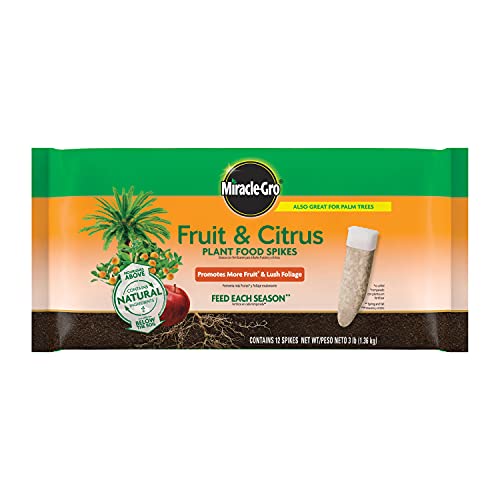
FORMULATED FOR CITRUS AND FRUIT TREES: Use these citrus fertilizer spikes on apple, orange, lemon, lime, and avocado trees; this formula is also great for feeding palm trees

Let our professionally formulated plant food help your fruit tree grow healthy, strong AND abundantly producing

Increased Fruit Yield
Pollinators directly contribute to higher fruit yields. When pollinators such as bees or butterflies visit your fruit trees, they ensure effective pollen transfer. For example, apple trees often benefit from cross-pollination with a different variety. This interaction leads to improved pollination rates, resulting in larger harvests. Research shows that orchards with active pollinator populations produce up to 60% more fruit compared to those lacking sufficient pollination.
Improved Fruit Quality
Pollinators enhance not just the quantity but also the quality of fruit. High-quality fruit tends to be larger, sweeter, and more nutritious. Pollinators support the fertilization process, promoting the development of better fruit structure and flavor profiles. For example, strawberries pollinated by bees exhibit improved taste and texture. Healthy fruit production also leads to longer shelf life, keeping your bounty fresh for extended periods. Thus, investing in pollinator support translates into better fruit quality and overall garden satisfaction.
Conclusion
Your fruit trees can thrive with the right pollinators by their side. By understanding the needs of both self-pollinating and cross-pollinating varieties you can set the stage for a bountiful harvest.
Creating a welcoming environment for pollinators is key. Whether it’s planting diverse flowering plants or minimizing pesticide use every small effort counts.
With a little attention to detail you can enjoy larger and tastier fruits while supporting the vital role of pollinators in your garden. Happy gardening and may your trees flourish!
Frequently Asked Questions
What are pollinators, and why are they important for fruit trees?
Pollinators, such as bees and butterflies, are essential for transferring pollen between male and female flower parts. This process is crucial for fertilization, leading to fruit production. Without adequate pollination, fruit trees may fail to produce fruit, resulting in disappointing harvests.
What is the difference between self-pollinating and cross-pollinating fruit trees?
Self-pollinating trees, like peaches and some cherries, can produce fruit using their own pollen. Cross-pollinating trees, such as apple and pear, need pollen from a different variety to bear fruit. Planting compatible varieties can enhance cross-pollination success.
How can I attract more pollinators to my garden?
You can attract pollinators by planting a variety of flowering plants that bloom at different times throughout the growing season. Additionally, minimizing pesticide use and providing nesting habitats will support healthy pollinator populations in your garden.
What environmental factors affect pollination?
Key environmental factors that affect pollination include temperature and humidity. Ideal temperatures for pollination range from 60°F to 75°F, while moderate humidity helps maintain pollen viability. Extreme conditions can hinder successful pollination.
Why is pollination important for fruit quality?
Effective pollination leads to larger, sweeter, and more nutritious fruits. Pollinators ensure that pollen is successfully transferred, resulting in improved harvests and better flavor profiles. Orchards with active pollinator populations can yield significantly more fruit.
