

Managing papaya trees in Houston, TX requires careful attention to humidity and drainage conditions. Proper management ensures healthy growth and fruit production, especially in a climate that can be challenging for tropical plants.
Humidity Management for Houston Papaya Trees
Managing humidity is crucial for the health of papaya trees in Houston, where the climate can pose challenges. Understanding how to regulate moisture levels will help ensure optimal growth and fruit production. This section explores effective strategies for maintaining the right humidity conditions for thriving papaya trees in the region.
Papaya trees thrive in environments with high humidity, ideally between 60% and 80%. In Houston, humidity can fluctuate significantly, especially during summer months.
Monitoring these levels is crucial for preventing stress on the trees. Low humidity can lead to poor fruit development and increased susceptibility to pests.
Recommended Products

App Control:This bluetooth digital hygrometer helps you easily monitor temp and humidity changes from up to 260FT away (no obstructions); ThermoPro App does not require user registration to better protect your privacy

【Home Hygrometer Thermometer】Mini digital thermometer humidity meter can help you quickly know the temperature and humidity you want to measure, so the portable digital thermometer humidity meter will be a good helper for your work and life.
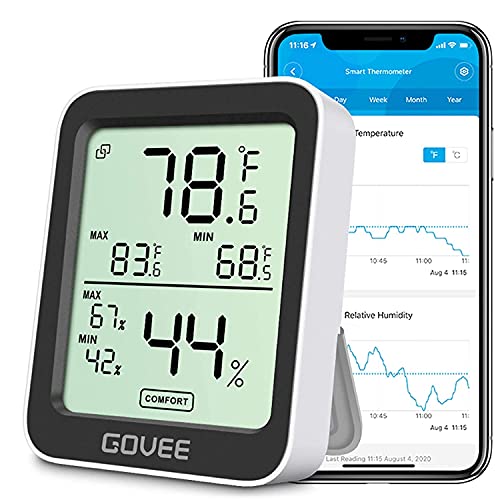
Smart Features: The Govee Wireless Thermometer Hygrometer supports all basic functions as well as smart functions such as remote monitoring and temp humidity graphs. Our humidity meters are reliable and easy to use for homes, greenhouses and more.(Only supports 164ft Bluetooth connection)
Optimal Humidity Strategies for Papaya Trees
Successfully growing papaya trees in Houston requires careful attention to humidity levels, as the region’s climate can pose unique challenges. Understanding optimal humidity strategies is essential for promoting healthy growth and maximizing fruit production. This section explores effective methods to manage humidity, ensuring your papaya trees thrive in the local environment.
Maintaining optimal humidity is essential. Here are some strategies to achieve this:
Use a humidifier in greenhouses or indoor settings.
Plant companion plants that release moisture into the air.
Misting the leaves during dry spells can help maintain moisture levels.
Drainage Strategies for Papaya Tree Health
Effective drainage is crucial for the health of papaya trees in Houston’s humid climate. Excess moisture can lead to root rot and other issues, making it essential to implement strategies that promote proper water management. By understanding and addressing drainage needs, growers can ensure their papaya trees thrive in the region’s challenging conditions.
Proper drainage is critical for the health of papaya trees. These trees do not tolerate standing water, which can lead to root rot. Houston’s clay soil can retain moisture, making drainage management necessary.
Recommended Products

FOR USE: Ideal for raised garden beds and outdoor containers.

Feed your raised bed for up to 3 months

Ready to Use, Right from the Bag: No prep required—this raised bed garden soil is packed with organic nutrients and ready to use for quick and easy planting
Effective Drainage Techniques for Papaya Trees
Managing humidity and drainage is crucial for the successful growth of papaya trees in Houston’s unique climate. Effective drainage techniques can help prevent root rot and ensure that these tropical plants thrive despite the area’s humidity challenges. Understanding and implementing these methods will enhance the health and productivity of your papaya trees.
Implement the following methods to ensure adequate drainage:
Create raised beds to elevate the root zone above saturated soil.
Incorporate organic matter such as compost to improve soil structure.
Install drainage tiles or French drains to redirect excess water away from the root zone.
| Method | Effectiveness | Cost Estimate |
|---|---|---|
| Raised Beds | High | $50-$150 |
| Organic Matter | Moderate | $20-$60 |
| Drainage Tiles | High | $100-$300 |
Optimal Soil Types for Houston Papaya Growth
Understanding the optimal soil types for growing papaya trees in Houston is crucial for successful cultivation. The unique climate and humidity levels in this region necessitate specific soil characteristics that promote healthy growth and drainage. This section will explore the best soil types to support thriving papaya trees in the Houston area.
The soil type significantly impacts the growth of papaya trees. They prefer well-draining sandy loam or loamy soil. Houston’s native soil often requires amendment to meet these needs.
Soil Enhancements for Papaya Cultivation
To successfully cultivate papaya trees in Houston’s unique climate, enhancing soil quality is essential. Proper soil amendments can improve drainage and retain moisture, creating an optimal environment for growth. Understanding the specific needs of papaya trees will help ensure healthy plants and fruitful yields in this humid region.
To improve soil quality, consider the following amendments:
Sand to improve drainage.
Peat moss to enhance moisture retention.
Perlite to aerate the soil and prevent compaction.
Fertilization Strategies for Houston Papaya Trees
Fertilizing papaya trees in Houston requires a tailored approach due to the region’s unique climate and soil conditions. Understanding the specific nutrient needs of these tropical plants is essential for promoting healthy growth and fruit production. This section outlines effective fertilization strategies to help gardeners successfully cultivate papayas in the humid and often challenging environment of Houston.
Fertilization plays a vital role in the health and productivity of papaya trees. A balanced fertilizer with high nitrogen content promotes healthy foliage and fruit development.
Fertilization Timing for Houston Papayas
Fertilizing papaya trees in Houston requires careful timing to ensure optimal growth and fruit production. Given the region’s unique climate and humidity levels, understanding when to apply nutrients can significantly impact the health of your trees. This section will explore the best practices for fertilization to support thriving papaya plants in the Houston area.
Follow this schedule for optimal results:
Early Spring: Apply a balanced fertilizer every 4-6 weeks.
Mid-Summer: Switch to a high-potassium fertilizer to enhance fruit quality.
Fall: Reduce fertilization frequency as growth slows.
| Fertilizer Type | Application Frequency | Key Nutrients |
|---|---|---|
| Balanced Fertilizer | Every 4-6 weeks | N-P-K |
| High-Potassium Fertilizer | Mid-Summer | K |
| Organic Fertilizer | As needed | N-P-K |
Pest Control Techniques for Houston Papayas
Effective pest control is essential for maintaining healthy papaya trees in Houston’s unique climate. The humid conditions can attract various pests that threaten the growth and yield of these tropical plants. Understanding targeted techniques to manage these pests will help ensure robust and fruitful papaya cultivation in the region.
Pests can pose a significant threat to papaya trees, particularly in humid environments. Regular monitoring and proactive management are essential to protect your trees.
Pest Identification and Management Strategies
Pest management is crucial for maintaining healthy papaya trees in Houston’s humid climate. Understanding common pests and their impact on papaya growth allows for effective identification and control strategies. This section explores various pests that may affect papaya trees and offers practical solutions for managing these challenges.
Identify and manage these common pests:
Aphids: Use insecticidal soap for control.
Whiteflies: Introduce beneficial insects like ladybugs.
Spider Mites: Increase humidity and apply neem oil.
Papaya Tree Care: Humidity and Drainage Strategies
Caring for papaya trees in Houston requires a keen understanding of the region’s unique humidity and drainage challenges. Proper management of these factors is essential for promoting healthy growth and fruit production. This section outlines effective strategies to ensure your papaya trees thrive in Houston’s climate.
Maintaining healthy papaya trees in Houston involves a holistic approach to humidity and drainage management. Regular monitoring, proper soil amendments, and effective pest control will contribute to a thriving garden.
Ensure you regularly assess the conditions around your papaya trees for optimal growth.
