

Banana trees can grow in Maryland, but success depends on specific care and conditions. With the right techniques, including selecting hardy varieties and providing winter protection, you can cultivate these tropical plants in the Mid-Atlantic region.
Hardy Banana Varieties for Mid-Atlantic Climate
In the Mid-Atlantic region, selecting the right banana varieties is crucial for successful cultivation. Hardy banana plants can withstand the area’s unique climate challenges, allowing gardeners to enjoy tropical flavors even in Maryland. This section explores the best banana varieties suited for local conditions, ensuring robust growth and fruitful yields.
Choosing the right banana variety is crucial for successful growth in Maryland’s climate. Some varieties are more tolerant of cooler temperatures, making them suitable for the Mid-Atlantic region. The following options are recommended:
Dwarf Cavendish: This compact variety grows well in containers and can be moved indoors during winter.
Musa basjoo: Known as the Japanese banana, it is hardy down to zone 5 and can survive winter with proper mulching.
Musa acuminata: This variety is also known for its resilience and can thrive in Maryland’s summer heat.
Understanding the hardiness of these varieties helps in making informed planting decisions.
Recommended Products

HARDY AND VERSATILE: The Musa Basjoo Banana Tree is celebrated for its impressive cold tolerance, thriving in USDA zones 3-7. It's perfect for introducing a tropical flair to a variety of climates.
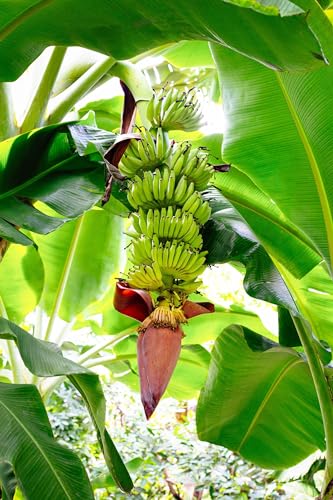
Live Plants for Planting 🌱 – Includes 4 rooted Musa basjoo banana plants, ready to plant in your garden or large pots.
![Greenwood Nursery: Live Perennial Plants - Musa Basjoo Cold Hardy Banana - [Qty: 2X Pint Pots] - (Click for Other Available Plants/Quantities)](https://m.media-amazon.com/images/I/51cl7jVVE3L._SL500_.jpg)
🌿 [INFO1] - Gives a tropical look to your garden. Grows from the Southern U.S. all the way to the southern part of Canada. A hardy Flowering Banana plant provides a tropical plant or jungle garden feel for pool landscapes, zen gardens and also makes an excellent container plant for porches, decks, patios & sunny areas of the house. The yellow orange flowers will produce small ornamental fruits that are not edible.
Garden Preparation for Banana Trees
Preparing your garden for banana trees in Maryland requires careful consideration of the local climate and soil conditions. This section outlines essential steps to create an optimal environment for these tropical plants, ensuring they thrive despite the region’s challenges. Understanding these preparations will help you cultivate healthy banana trees in your Mid-Atlantic garden.
Proper garden preparation sets the foundation for healthy banana trees. Start by selecting a location that receives full sun and has well-draining soil. Follow these steps to prepare your garden:
Test Soil pH: Aim for a pH between 5.5 and 7.0.
Amend Soil: Add organic matter like compost to improve drainage and nutrient content.
Create Raised Beds: If drainage is an issue, consider building raised beds to enhance soil aeration.
A well-prepared garden ensures that banana trees have the nutrients they need to thrive.
Irrigation and Nutrient Guidelines for Banana Trees
Successfully cultivating banana trees in Maryland requires careful attention to irrigation and nutrient management. Given the region’s climate and soil conditions, understanding how to provide adequate water and essential nutrients is crucial for promoting healthy growth and fruit production. This section outlines effective strategies to ensure your banana trees thrive in the Mid-Atlantic environment.
Banana trees require consistent moisture and nutrients for optimal growth. Implement the following watering and fertilizing strategies:
Watering: Keep the soil consistently moist but not waterlogged. Use mulch to retain moisture.
Fertilizing: Apply a balanced fertilizer every 4-6 weeks during the growing season. Look for fertilizers high in potassium to promote fruit development.
Monitoring moisture levels and nutrient availability is essential for healthy growth.
Winter Care Strategies for Banana Trees
Banana trees, while tropical in nature, can be cultivated in Maryland with the right winter care strategies. As temperatures drop, understanding how to protect these plants from cold weather is essential for their survival and growth. This section will explore effective methods to ensure your banana trees thrive through the winter months in the Mid-Atlantic region.
Maryland winters can be harsh, making winter protection vital for banana trees. Use these techniques to safeguard your plants:
Mulching: Apply a thick layer of mulch around the base to insulate roots.
Wrapping: Use burlap or frost cloth to wrap the trunk and protect it from freezing temperatures.
Indoor Relocation: For container-grown varieties, move them indoors when temperatures drop below 32°F.
Implementing these protective measures can significantly increase the chances of survival through winter.
Banana Tree Care Guidelines for Maryland
Growing banana trees in Maryland presents unique challenges due to the region’s climate and seasonal variations. Understanding specific care guidelines is essential for successfully cultivating these tropical plants in the Mid-Atlantic. This section outlines practical tips and strategies to help you nurture banana trees in Maryland’s environment.
| Care Aspect | Recommended Action | Frequency |
|---|---|---|
| Soil Testing | Test pH and amend as needed | Annually |
| Watering | Keep soil moist | Weekly |
| Fertilizing | Apply balanced fertilizer | Every 4-6 weeks |
| Winter Protection | Mulch and wrap trees | Before frost |
This table summarizes essential care practices for banana trees in Maryland.
Pests and Diseases Affecting Banana Trees
Banana trees, while tropical in nature, can face various challenges when grown in Maryland’s climate. Understanding the pests and diseases that threaten these plants is crucial for successful cultivation. This section delves into the specific threats banana trees encounter in the Mid-Atlantic region and offers guidance on how to manage them effectively.
Banana trees can face various pests and diseases that may hinder growth. Here are common issues to watch for:
Aphids: These pests can weaken plants. Use insecticidal soap for control.
Fungal Diseases: Leaf spot and root rot can occur in humid conditions. Ensure good air circulation and avoid overhead watering.
Regular monitoring and prompt action can prevent infestations and diseases from becoming severe.
Banana Harvest Timing and Techniques
Understanding the timing and techniques for harvesting banana trees is crucial for maximizing yield, especially in Maryland’s unique climate. This section delves into the optimal periods for harvesting bananas and the best practices to ensure a successful and fruitful experience, tailored specifically for the Mid-Atlantic region.
Knowing when and how to harvest your bananas is crucial for enjoying the fruits of your labor. Follow these guidelines:
Timing: Harvest when the bananas are plump and have a slight yellow hue.
Cutting: Use a sharp knife to cut the bunch from the tree. Handle with care to avoid bruising.
Proper harvesting techniques ensure the best flavor and quality of your bananas.
Implementing these strategies will help you successfully grow banana trees in Maryland, even in the Mid-Atlantic climate.
