

Selecting heat-tolerant banana tree varieties for Arizona’s climate is essential for successful growth. Varieties such as the Dwarf Cavendish and the Rajapuri thrive in high temperatures and can withstand the state’s dry conditions.
Arizona Desert Climate for Banana Trees
Arizona features a desert climate characterized by extreme heat and minimal rainfall. This environment poses unique challenges for growing banana trees. The intense sun and dry air can stress many plant types. Understanding these conditions is crucial for selecting the right heat-tolerant varieties.
Heat Tolerance Requirements for Banana Trees
Understanding the heat tolerance requirements for banana trees is crucial for successful cultivation in Arizona’s challenging climate. This section delves into the specific temperature ranges and environmental conditions that these tropical plants can endure, helping growers select the most resilient varieties for optimal growth and fruit production.
High temperatures often exceeding 100°F
Low humidity levels
Limited rainfall during summer months
These factors dictate the need for varieties that can endure heat and drought.
Best Banana Varieties for Arizona Heat
In Arizona’s scorching climate, selecting the right banana varieties is crucial for successful cultivation. Certain heat-tolerant types thrive in these conditions, offering both resilience and fruitful yields. This section explores the best banana varieties suited for Arizona’s unique environment, ensuring gardeners can enjoy a bountiful harvest despite the intense heat.
Choosing the right banana tree varieties is vital for success in Arizona. Here are some of the best options that thrive under harsh conditions.
| Variety | Height | Fruit Size | Cold Tolerance | Growth Rate |
|---|---|---|---|---|
| Dwarf Cavendish | 4-6 feet | Medium | Moderate | Fast |
| Rajapuri | 5-7 feet | Large | Low | Moderate |
| Goldfinger | 6-8 feet | Medium | Moderate | Fast |
| Manzano | 6-10 feet | Medium | Low | Moderate |
Dwarf Cavendish is compact and produces medium-sized fruit. Rajapuri offers larger fruit but has lower cold tolerance.
Goldfinger is known for its rapid growth and moderate cold tolerance. Manzano is another excellent choice, producing sweet fruits.
Recommended Products

Beautiful and exotic banana: Ethiopian banana, Abyssinian banana, pseudo-banana, fake banana and wild banana, is a herbaceous flowering plant species of the Musaceae banana family
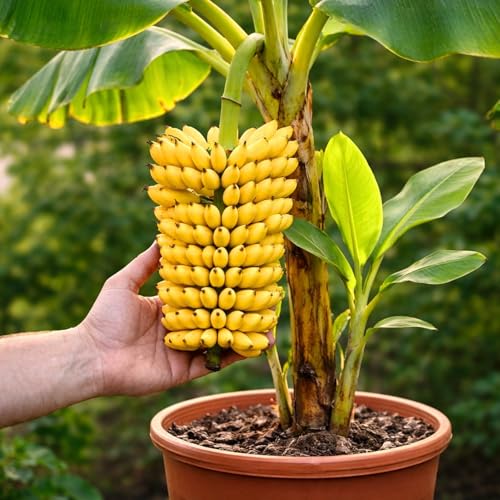
🍌 Premium Banana Seeds: High-quality banana seeds selected for planting and growing healthy tropical banana plants.
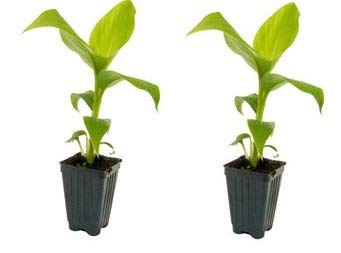
The most hardy of all Bananas!! Can go down to -20 if mulched properly. Can get up to 18 feet tall, rapid growth in hot weather Full Sun. Bananas are not edible, merely for looks! Exercise caution and use your best judgment before ordering during unusually hot or cold weather (below 32 degrees F, or in excess of 95F for shipping purposes), as these extremes may leave your plant vulnerable to damage.
Soil and Water Management for Bananas
Effective soil and water management is crucial for cultivating banana trees in Arizona’s unique climate. Understanding the specific requirements for soil composition and irrigation practices will help ensure the health and productivity of these heat-tolerant varieties. This section delves into the best strategies for optimizing soil conditions and managing water resources for successful banana cultivation.
Proper soil and water management is essential for banana trees in Arizona. These trees prefer well-drained soil rich in organic matter.
Recommended Products

100% Natural: Custom blend for your indoor potted banana trees

OUTDOOR POTTING SOIL: Miracle-Gro Organic Outdoor Potting Mix contains a quick-release natural plant fertilizer and also feeds plants for up to 2 months

【Natural & Organic】Our specially designed soil blend contains the precise balance of essential minerals and organic matter to support healthy root development and fruit production in banana plants
Optimal Soil Mix for Banana Trees
Selecting the right soil mix is crucial for the successful growth of banana trees in Arizona’s unique climate. The optimal blend not only supports healthy root development but also ensures adequate drainage and nutrient availability. Understanding the specific soil requirements can significantly enhance the vitality and productivity of these heat-tolerant varieties.
Use a mix of loamy and sandy soil
Incorporate compost for nutrient retention
Ensure good drainage to prevent root rot
Irrigation Strategies for Arizona Banana Trees
Effective irrigation is crucial for cultivating banana trees in Arizona’s arid climate. Understanding the specific water needs of different heat-tolerant varieties can help optimize growth and yield. This section explores various irrigation strategies tailored to ensure these tropical plants thrive in the desert environment.
Water deeply once a week
Increase frequency during extreme heat
Use mulch to retain soil moisture
These practices help maintain optimal conditions for growth.
Fertilization Techniques for Healthy Banana Trees
Fertilizing banana trees in Arizona requires careful consideration of the unique climate and soil conditions. Proper techniques can significantly enhance growth and fruit production, ensuring that these heat-tolerant varieties thrive. Understanding the right nutrients and application methods is essential for cultivating robust and healthy banana plants in the desert landscape.
Regular fertilization is necessary to keep banana trees healthy and productive. A balanced fertilizer can enhance growth and fruit production.
Recommended Products

Made for Banana Trees – Specially formulated banana fertilizer designed to support the nutrient needs of banana plants.

🌿 Balanced 10-10-10 Granular Fertilizer for Outdoor & Indoor Plants: All-purpose plant food with 10% Nitrogen, 10% Phosphorus, and 10% Potassium. Perfect for outdoor vegetable gardens, fruit trees, evergreens, shrubs, lawns, and flowers. Also great for potted plants and indoor gardening. One solution for all your plant needs!

FORMULATED FOR CITRUS AND FRUIT TREES: Use these citrus fertilizer spikes on apple, orange, lemon, lime, and avocado trees; this formula is also great for feeding palm trees
Fertilizer Application Timing for Banana Trees
Understanding the optimal timing for fertilizer application is crucial for the successful cultivation of banana trees in Arizona’s unique climate. This section delves into the best practices for feeding these heat-tolerant varieties, ensuring they receive the necessary nutrients at the right stages of growth to thrive in arid conditions.
Apply a balanced fertilizer every 6-8 weeks
Use a slow-release formula for consistent nutrients
Monitor for signs of nutrient deficiency
Pest Control Strategies for Banana Trees
Maintaining healthy banana trees in Arizona requires effective pest control strategies tailored to the region’s unique climate. With the heat and arid conditions, specific pests can threaten the vitality of these plants. Understanding the best practices for pest management will help ensure robust growth and fruitful harvests.
Inspect regularly for pests like aphids and spider mites
Use organic pesticides when necessary
Ensure good air circulation to prevent fungal diseases
Implementing these care strategies will promote healthy growth.
Planting Timing and Location for Bananas
Understanding the optimal timing and location for planting banana trees in Arizona is crucial for their successful growth. Given the state’s unique climate conditions, selecting the right moment and site can significantly influence the health and productivity of these heat-tolerant varieties. This section delves into the best practices for establishing banana trees in the Arizona landscape.
When planting banana trees in Arizona, timing and location are crucial. Proper planning ensures successful establishment and growth.
Spring Planting Techniques for Banana Trees
Spring is an ideal time to plant banana trees in Arizona, where the heat can be both a challenge and an opportunity. Understanding the best techniques for planting during this season will ensure that these heat-tolerant varieties thrive in the desert climate. Proper preparation and care can lead to a successful and fruitful banana harvest.
Plant in spring after the last frost
Choose a location with full sun exposure
Space trees at least 6 feet apart for air circulation
Banana Tree Care for Arizona’s Climate
Caring for banana trees in Arizona’s hot climate requires an understanding of their unique needs. This section explores essential care techniques tailored to the state’s arid conditions, ensuring that these tropical plants thrive despite the challenges posed by high temperatures and limited moisture. Proper attention to watering, soil, and protection from the elements can lead to successful growth and fruit production.
Regularly check for signs of stress
Prune dead or damaged leaves
Protect young plants from extreme heat with shade cloth
These logistics will help ensure the trees thrive in Arizona’s challenging climate.
