

Growing orange trees in San Antonio, TX is feasible with the right care and conditions. These trees thrive in the warm climate, but specific practices ensure their success in South Texas.
Optimal Climate Conditions for San Antonio Orange Trees
San Antonio’s unique climate plays a crucial role in the successful cultivation of orange trees. Understanding the specific temperature ranges, humidity levels, and seasonal patterns can help gardeners optimize their growing conditions. This section delves into the ideal environmental factors that contribute to thriving orange orchards in South Texas.
Orange trees flourish in warm climates, making San Antonio an ideal location for their growth. The average temperatures in this region support healthy fruit development. However, understanding the local climate nuances is crucial for optimal results.
Key factors include:
Frost risk: Late frosts can damage young trees.
Humidity levels: Moderate humidity is beneficial.
Sun exposure: Full sun for at least six hours daily is essential.
Climate Factors for Orange Tree Success
Understanding the climate factors that contribute to the success of orange trees in San Antonio, TX, is crucial for both novice and experienced growers. The region’s unique weather patterns, soil conditions, and seasonal variations play a significant role in determining the health and productivity of these citrus trees. This section delves into the essential climatic elements that support thriving orange orchards in South Texas.
| Factor | Ideal Condition | Impact Level (1-5) |
|---|---|---|
| Frost Risk | Low | 4 |
| Humidity | Moderate | 3 |
| Sun Exposure | Full Sun | 5 |
Best Orange Tree Varieties for San Antonio
San Antonio’s unique climate and soil conditions create an ideal environment for cultivating a variety of orange trees. Understanding which types thrive best in this region can significantly enhance your gardening success. This section explores the most suitable orange tree varieties for San Antonio, ensuring you can enjoy a bountiful harvest.
Choosing the right variety of orange tree is vital for success in San Antonio. Some varieties are more resilient to local pests and diseases. Consider these popular options:
Valencia: Great for juicing and fresh eating.
Navel: Known for its sweetness and easy peeling.
Blood Orange: Unique flavor and color, appealing for culinary uses.
Recommended Products
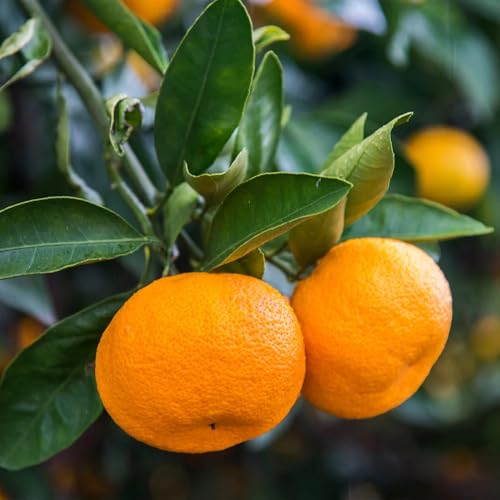
Welcome the vibrant allure of the Calamondin Orange Tree, a delightful addition to any landscape with its lush greenery and plentiful fruit. This tree brings the charm of tangerine-sized oranges that add a burst of tangy flavor to your culinary endeavors. The Calamondin Orange Tree, often called a Tangerine Tree, thrives both indoors and outdoors, making it a versatile choice for any gardener.


Top Orange Varieties for San Antonio
San Antonio’s unique climate offers a great opportunity for cultivating orange trees, making it essential to choose the right varieties for successful growth. This section explores the top orange varieties suited for the region, highlighting their characteristics and benefits to help both novice and experienced gardeners thrive in South Texas.
| Variety | Flavor Profile | Best Uses |
|---|---|---|
| Valencia | Sweet | Juicing |
| Navel | Sweet | Fresh Eating |
| Blood Orange | Tart | Culinary Dishes |
Soil Quality Enhancement for Orange Trees
To cultivate healthy orange trees in San Antonio, it is essential to focus on enhancing soil quality. The unique climate and soil composition of South Texas require specific amendments and practices to ensure optimal growth and fruit production. Understanding these factors will help growers achieve successful yields and maintain vibrant orchards.
Proper soil preparation is essential for the vitality of orange trees. The soil should be well-draining and rich in organic matter. Follow these steps to enhance soil quality:
Test the soil for pH levels. Ideal pH is between 6.0 and 7.5.
Amend the soil with compost to improve drainage and nutrients.
Create mounds for planting to prevent waterlogging.
Soil Quality and Nutrient Analysis
Understanding soil quality and nutrient levels is essential for the successful cultivation of orange trees in San Antonio, TX. This region’s unique climate and soil composition can significantly impact tree health and fruit production. Analyzing these factors will help growers optimize their practices for better yields and vibrant fruit.
| Soil Type | Drainage Level | Nutrient Content |
|---|---|---|
| Sandy Loam | High | Moderate |
| Clay | Low | High |
| Silt | Moderate | Moderate |
Watering Strategies for Healthy Orange Trees
Proper watering is crucial for the health and productivity of orange trees in San Antonio’s unique climate. Understanding the specific needs of these trees can help ensure they thrive, especially during the hot summer months. This section outlines effective watering strategies tailored to the conditions of South Texas.
Effective watering techniques are crucial for orange trees, especially during dry spells. Overwatering can lead to root rot, while underwatering can stress the tree.
Follow these guidelines:
Water deeply once a week during dry periods.
Use mulch to retain soil moisture.
Monitor soil moisture with a moisture meter to prevent overwatering.
Irrigation Guidelines for San Antonio Orange Trees
Proper irrigation is crucial for the health and productivity of orange trees in San Antonio’s unique climate. Understanding the specific water requirements and techniques can significantly enhance fruit quality and tree vitality. This section outlines essential guidelines to ensure your orange trees thrive in South Texas conditions.
| Season | Frequency | Amount (Gallons) |
|---|---|---|
| Spring | Weekly | 10-15 |
| Summer | Twice a week | 10-15 |
| Fall | Bi-weekly | 5-10 |
Effective Pest Control for Orange Trees
Maintaining healthy orange trees in San Antonio requires effective pest control strategies to combat common threats. Understanding the specific pests that affect citrus trees in South Texas is crucial for ensuring robust growth and fruitful yields. This section explores practical methods and tips for managing pests while promoting the overall health of your orange trees.
Pest and disease management is essential for maintaining healthy orange trees. Common pests include aphids and spider mites, while diseases like citrus greening can be devastating. Implement these strategies:
Regular inspections for early detection.
Use organic pesticides to control pests without harming beneficial insects.
Prune infected branches to prevent the spread of disease.
Pest Management Strategies for Orange Trees
Effective pest management is crucial for maintaining the health and productivity of orange trees in San Antonio, TX. With the region’s unique climate and potential pest challenges, understanding targeted strategies can help growers protect their crops. This section explores various methods to manage pests and ensure thriving orange orchards in South Texas.
| Pest | Control Method | Effectiveness (1-5) |
|---|---|---|
| Aphids | Neem oil | 4 |
| Spider Mites | Insecticidal soap | 5 |
| Citrus Greening | Pruning and removal | 3 |
Citrus Fertilization for Optimal Orange Yield
Proper fertilization is crucial for maximizing orange yields in San Antonio’s unique climate. Understanding the specific nutrient needs of citrus trees can significantly enhance fruit quality and quantity. This section delves into effective fertilization strategies tailored for the region, ensuring that growers can achieve the best possible results from their orange trees.
Fertilizing orange trees properly promotes robust growth and fruit production. Use a balanced fertilizer specifically formulated for citrus trees. Follow these steps:
Apply fertilizer in early spring as new growth begins.
Use slow-release formulas to provide nutrients over time.
Monitor tree health and adjust fertilization based on growth patterns.
Citrus Fertilization Timing and Types
Understanding the optimal timing and types of fertilization is crucial for the health and productivity of orange trees in San Antonio. Proper nutrient management not only enhances fruit quality but also supports tree vigor, ensuring a successful harvest. This section delves into the best practices for fertilizing citrus trees in the unique climate of South Texas.
| Season | Type of Fertilizer | Application Rate |
|---|---|---|
| Spring | Balanced Citrus Fertilizer | 1 lb per tree |
| Summer | Micronutrient Boost | 0.5 lb per tree |
| Fall | Potassium Boost | 1 lb per tree |
