
Close Menu
    Fruit Tree Hub
    • Home
    • Apple Trees
    • Lemon Trees
    • Mango Trees
    • Orange Trees
    • More Trees
      • Best Fruit Trees
      • Apricot Trees
      • Cherry Trees
      • Fig Trees
      • Lime Trees
      • Mulberry Trees
      • Peach Trees
      • Pear Trees
      • Plum Trees
      • Pomegranate Trees
    • Tips and Advice
      • Tools
    • About Us
      • Contact
      • Privacy Policy
    Fruit Tree Hub
    Home»Tips and Advice»When Do Granny Smith Apple Trees Produce Fruit: A Guide to Timing and Harvesting Tips
    Tips and Advice

    When Do Granny Smith Apple Trees Produce Fruit: A Guide to Timing and Harvesting Tips

    Martha JacksonBy Martha JacksonJanuary 5, 20257 Mins Read
    Share Facebook Twitter Pinterest WhatsApp Email
    Share
    Facebook Twitter LinkedIn Pinterest Telegram Email

    Have you ever wondered when those crisp Granny Smith apples will finally be ready to pick? If you’ve planted one of these vibrant trees in your backyard, you’re likely counting down the days until you can enjoy their tart flavor. Understanding the fruiting timeline of Granny Smith apple trees can help you plan your gardening activities and ensure a successful harvest.

    Contents show
    1 Key Takeaways
    2 Understanding Granny Smith Apple Trees
    2.1 Characteristics of Granny Smith Apples
    2.2 Growing Conditions for Optimal Fruit Production
    3 Fruit Production Timeline
    3.1 First Year Expectations
    3.2 Mature Tree Production
    4 Factors Affecting Fruit Production
    4.1 Climate and Weather Conditions
    4.2 Pollination and Cross-Pollination
    5 Harvesting Granny Smith Apples
    5.1 Signs of Ripeness
    6 Conclusion
    7 Frequently Asked Questions
    7.1 When do Granny Smith apples ripen?
    7.2 How long does it take for Granny Smith apple trees to produce fruit?
    7.3 What are the signs of ripe Granny Smith apples?
    7.4 What are the ideal growing conditions for Granny Smith apple trees?
    7.5 Why is cross-pollination important for Granny Smith apples?
    7.6 How should I handle Granny Smith apples after harvesting?

    Key Takeaways

    • Granny Smith apple trees begin producing fruit around three to five years after planting, with flowering occurring in the spring.
    • Optimal harvesting time is from September to November, depending on local climate conditions, with signs of ripeness including bright green color and firm texture.
    • Ideal growing conditions include full sunlight for at least six hours daily, well-draining soil, and a pH level between 6.0 and 7.0 for the best yield.
    • Cross-pollination with compatible apple varieties, such as Honeycrisp or Fuji, is crucial for successful fruit set and increased yields.
    • The trees require 600 to 1,000 chilling hours for optimum fruit production, making climate a significant factor in their success.
    • Proper care, including regular watering, nutrient application, and pruning, is essential to maximize apple yield and maintain tree health.
    MUST READ
    How to Make a Pineapple Palm Tree Fruit Tray that Will Wow Your Guests at Any Gathering

    Understanding Granny Smith Apple Trees

    Granny Smith apple trees are popular for their tart flavor and crisp texture. Knowing their growth characteristics and ideal conditions can help you enjoy a fruitful harvest.

    Characteristics of Granny Smith Apples

    Granny Smith apples are well-known for their bright green skin. These apples are firm and juicy, making them excellent for baking and eating fresh. They typically ripen in late fall, becoming ready for harvest around September to November, depending on your local climate. The trees themselves grow tall, often reaching heights of 15 to 30 feet, with a broad canopy. This growth encourages a productive yield, as the flowers develop into the apples you enjoy.

    Growing Conditions for Optimal Fruit Production

    Granny Smith apple trees thrive in specific conditions. They require full sunlight for at least six hours daily, so choose a sunny spot for planting. Well-draining soil helps prevent root rot, which can negatively impact fruit production. Ideally, the pH level should be between 6.0 and 7.0. Proper watering, especially during dry periods, helps the trees establish roots and support fruit development.

    In areas with cold winters, these trees benefit from chilling hours. They need around 600 to 1,000 chilling hours at temperatures between 32°F and 45°F for successful flowering and fruit set. Additionally, providing adequate space between trees promotes airflow, reducing the risk of disease. Regular pruning encourages healthy growth and maximizes fruit yield.

    Fruit Production Timeline

    Understanding the fruit production timeline of Granny Smith apple trees helps you plan more effectively for your gardening activities. Here’s a detailed look at key phases in the life of your apple tree.

    MUST READ
    How Long Do Orange Trees Take to Produce Fruit: Timelines and Tips for Successful Growth

    Recommended Products

    16oz Apple Tree Fertilizer - Makes 16 Gallons of Apple Tree Fertilizer, Nutrient-Rich Plant Food for Fruit Trees - Promotes Strong Branches, Healthy Foliage, and Juicy Apples
    16oz Apple Tree Fertilizer - Makes 16 Gallons of Apple Tree Fertilizer, Nutrient-Rich Plant Food for Fruit Trees - Promotes Strong Branches, Healthy Foliage, and Juicy Apples

    2X MORE VALUE: The 16 oz Apple Fertilizer for fruit trees makes 16 gallons of apple tree spray, while the bigger size 32 oz bottle makes 32 gallons for your apple trees live plants.

    VIEW LATEST PRICE

    As an affiliate, we earn on qualifying purchases.

    American Plant Exchange Apple Tree 'Granny Smith' – Live Fruit-Bearing Plant, 5-Gallon Pot, Cold-Hardy, for Home Orchards, Backyard Gardens & Edible Landscapes
    American Plant Exchange Apple Tree 'Granny Smith' – Live Fruit-Bearing Plant, 5-Gallon Pot, Cold-Hardy, for Home Orchards, Backyard Gardens & Edible Landscapes

    Live Fruit-Bearing Apple Tree – Grow your own crisp, tart Granny Smith apples right at home. This self-pollinating, high-yield apple tree produces firm, green apples perfect for fresh eating, baking, and cider-making

    VIEW LATEST PRICE

    As an affiliate, we earn on qualifying purchases.

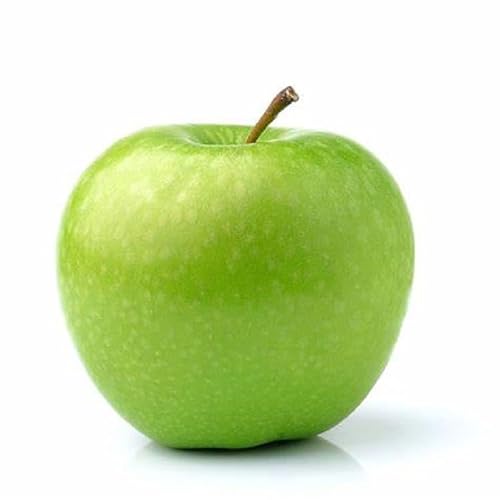
    Granny Smith Organic Apple
    Granny Smith Organic Apple

    Organic Fruit

    VIEW LATEST PRICE

    As an affiliate, we earn on qualifying purchases.

    First Year Expectations

    In the first year after planting, don’t expect any apples. Your Granny Smith tree focuses on establishing roots. It’s essential to ensure the tree gets enough water and nutrients during this period. After this initial phase, buds may start forming the following spring, setting the stage for future fruit production.

    Mature Tree Production

    Mature Granny Smith trees begin producing fruit around three to five years after planting. Flowering occurs in the spring, with pollination ideally happening within a few days. Once pollination is successful, expect fruit development to follow, leading to harvest time between September and November, depending on local conditions. Ensure adequate care during this phase, such as consistent watering and nutrient application, to maximize your yield each season.

    MUST READ
    Does Star Fruit Grow on Trees: A Complete Guide to Cultivation and Care

    Factors Affecting Fruit Production

    Several factors influence the fruit production of Granny Smith apple trees. Understanding these elements helps ensure a successful harvest.

    Climate and Weather Conditions

    Climate plays a critical role in fruit production. Granny Smith apple trees thrive in regions with moderate climates. Ideal temperatures range from 70°F to 85°F during the growing season. Proper chilling hours, typically between 1,000 and 1,200 hours below 45°F, are necessary for optimal fruit set in colder areas. Conversely, excessive heat or late frosts can damage blossoms and reduce yields.

    Pollination and Cross-Pollination

    Pollination significantly impacts fruit production. Granny Smith trees need cross-pollination from compatible varieties to set fruit successfully. Trees like Honeycrisp or Fuji work well as pollinators. Planting these nearby increases the chances of successful pollination, leading to better fruit yields. Ensure that the pollinator trees bloom around the same time for maximum effectiveness.

    Harvesting Granny Smith Apples

    Granny Smith apples are ready for harvest from September to November. Knowing when to pick them ensures you get the best flavor and texture.

    Recommended Products
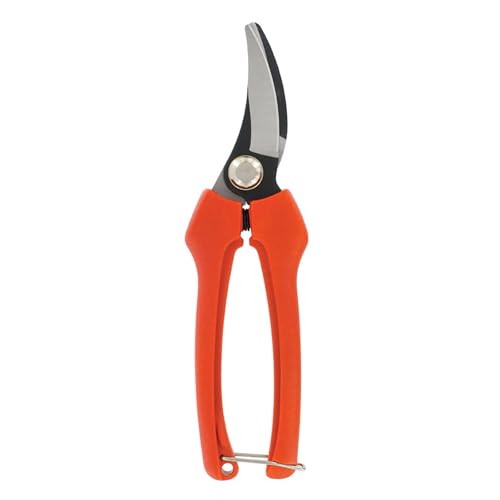
    Harvesting Pruners with Curved Blades - Ideal for Fruits, Vegetables, Flowers, & Herbs
    Harvesting Pruners with Curved Blades - Ideal for Fruits, Vegetables, Flowers, & Herbs

    Product Dimensions: This Harvesting Pruners with Curved Blades measures 1.875 x 0.75 x 7.25 inches and weighs 0.23 pounds. A well-balanced tool that ensures easy handling and control.

    VIEW LATEST PRICE

    As an affiliate, we earn on qualifying purchases.

    WYF Pruning Scissors, Professional Garden Shears - Straight Stainless Steel Blades - Sharp Gardening Hand Pruner for Garden Harvesting Fruits, Vegetables, Trimming Flowers and Plants, 8.1IN(Red)
    WYF Pruning Scissors, Professional Garden Shears - Straight Stainless Steel Blades - Sharp Gardening Hand Pruner for Garden Harvesting Fruits, Vegetables, Trimming Flowers and Plants, 8.1IN(Red)

    ※【HIGH-QUALITY BLADE】Our garden shears come with stainless steel precision-sharpened blades.Their strong sharp blades ensure fast and accurate cutting.

    MUST READ
    How to Stop Raccoons from Eating Fruit Trees: Proven Methods for Protecting Your Harvest
    VIEW LATEST PRICE

    As an affiliate, we earn on qualifying purchases.

    "SOKAN" Apple Harvesting Pruners Scissors 50mm Blade
    "SOKAN" Apple Harvesting Pruners Scissors 50mm Blade

    This premium item is handmade by Japanese Kaji craftsman.

    VIEW LATEST PRICE

    As an affiliate, we earn on qualifying purchases.

    Signs of Ripeness

    • Color: Look for a bright green hue. The apples should not have any yellowing.
    • Firmness: Give the apple a gentle squeeze. A ripe Granny Smith feels firm but slightly gives under pressure.
    • Taste: Sample an apple for flavor. It should taste tart and crisp, indicating readiness.
    • Come Off Easily: Pull gently on the fruit. If it detaches easily from the branch, it’s ripe.
    • Use Pruners: Use hand pruners to cut the apples off the tree to avoid damaging the fruit or the branch.
    • Wear Gloves: Protect your hands from potential abrasions and sap.
    • Pick During Dry Weather: Harvest when the apples are dry to minimize the risk of rot.
    • Handle Carefully: Place harvested apples in a padded basket to prevent bruising.
    • Store Properly: Store apples in a cool, dark place. Aim for temperatures around 30°F to 35°F for optimal freshness.

    By keeping these tips in mind, you can enjoy a bountiful harvest of Granny Smith apples.

    Conclusion

    Growing Granny Smith apple trees can be a rewarding experience. With a little patience and care you’ll be rewarded with delicious fruit in just a few years. Remember that understanding their specific needs and timelines is key to a successful harvest.

    By ensuring proper pollination and providing the right growing conditions you can maximize your yield. Keep an eye on those bright green apples as they ripen and follow the harvesting tips to enjoy the best flavor.

    MUST READ
    Why Is My Olive Tree Not Fruiting: Tips for Encouraging Fruit Production and Healthy Growth

    With your dedication and attention your Granny Smith apple trees can become a fruitful addition to your garden. Happy gardening and enjoy those tasty apples!

    Frequently Asked Questions

    When do Granny Smith apples ripen?

    Granny Smith apples typically ripen between September and November. The exact timing can vary based on your local climate and the tree’s growing conditions.

    How long does it take for Granny Smith apple trees to produce fruit?

    Granny Smith apple trees usually begin producing fruit three to five years after planting. In the first year, the tree establishes roots without producing apples.

    What are the signs of ripe Granny Smith apples?

    Ripe Granny Smith apples are bright green, firm with slight give when pressed, have a tart flavor, and detach easily from the branch.

    What are the ideal growing conditions for Granny Smith apple trees?

    Granny Smith apple trees thrive in full sunlight, well-draining soil, and require proper watering. They also need 1,000 to 1,200 chilling hours below 45°F for optimal fruit set in colder climates.

    Why is cross-pollination important for Granny Smith apples?

    Cross-pollination is crucial for Granny Smith apples as they require compatible varieties like Honeycrisp or Fuji to set fruit effectively. This enhances overall fruit yield.

    How should I handle Granny Smith apples after harvesting?

    After harvesting, handle Granny Smith apples carefully to prevent bruising. Store them in a cool, dark place to maintain freshness and flavor.

    Share. Facebook Twitter Pinterest LinkedIn Tumblr Email
    martha jackson
    Martha Jackson

      Martha Jackson is an accomplished freelance writer and editor with a strong interest in gardening. With a degree in English from the University of California, Berkeley, Martha has over 15 years of experience writing for a variety of publications. She is passionate about making gardening accessible to all and is always seeking out new techniques and innovations.

      Related Posts

      How Long Until Avocado Trees Bear Fruit and Tips for Faster Growth at Home

      February 20, 2025

      What Yellow Fruit Grows on Trees and Their Delicious Health Benefits

      February 20, 2025

      How to Air Layer Fruit Trees: A Step-by-Step Guide for Successful Propagation

      February 20, 2025

      When Do Grapefruit Trees Produce Fruit and How to Maximize Your Harvest

      February 20, 2025

      What Is a Fast Growing Fruit Tree: Discover Quick-Yield Options for Your Garden

      February 20, 2025

      Do Cherry Blossom Trees Have Fruit? Discover the Truth About Their Edibility and Benefits

      February 20, 2025
      Leave A Reply Cancel Reply

      Affiliate Disclosure

      As an Amazon Associate I earn from qualifying purchases.

      Recommended Reading

      What Fruit Trees Grow in Zone 8: Top Varieties and Care Tips for Your Garden

      What Fruit Trees Grow in East Tennessee: A Complete Guide to Thriving Varieties and Care Tips

      Top Fruit Trees for Texas (Success Secrets for a Lone Star Harvest)

      How to Improve Soil for Quince Trees

      How to Grow Guava Trees in St. Petersburg, FL: Sun Secrets

      Do Dragon Fruit Grow on Trees: Discover the Truth About This Unique Cactus Fruit

      Jujube Trees in Dallas, TX: North Texas Growth Secrets

      How to Identify Fruit Trees by Leaves: Easy Tips for Beginners to Boost Your Nature Knowledge

      Enhancing Fruit Production: How Nectarine Tree Pollination Benefits Peach Trees

      22 Smart Crochet Travel Projects That Are Light and Portable

      Fruit Tree Hub

      Fruit Tree Hub is a website dedicated to providing you everything you need to grow fruit trees successfully at in your own yard.

      Contact us at: [email protected]

      - AFFILIATE DISCLOSURE: As an Amazon Associate I earn from qualifying purchases.

      Latest Posts

      Can Olive Trees Grow in New Jersey? Garden State Growth Tips

      Can Star Fruit Trees Grow in Missouri? Expert Variety Guide

      How to Grow Jujube Trees in Las Vegas, NV: Desert Growth

      Mango Trees in Illinois: Indoor and Greenhouse Growth Secrets

      Growing Papaya Trees in Oklahoma: High Heat Resilience

      Tamarind Trees in a Pot in Ohio (Complete Maintenance Manual)

      Can Fig Trees Grow in Long Beach, CA? Coastal Salt Tips

      Plum Trees in District of Columbia (Urban Microclimate Tips)

      Categories
      • Almond Trees
      • Apple Trees
      • Apricot Trees
      • Best Fruit Trees
      • Blackberry
      • Cantaloupe
      • Cherry Trees
      • Crochet Ideas
      • Crochet Ideas for Beginners
      • Cucamelon
      • Easy Crochet Ideas
      • Easy Knitting Projects
      • Fig Trees
      • Grapefruit Trees
      • Grapes
      • Guava Trees
      • Honeydew
      • Jujube Trees
      • Kiwi
      • Knitting For Beginners
      • Knitting Ideas
      • Knitting Inspiration
      • Lemon Trees
      • Lime Trees
      • Loquat Trees
      • Mango Trees
      • Mulberry Trees
      • Nectarine Trees
      • Olive Trees
      • Orange Trees
      • Papaya Trees
      • Peach Trees
      • Pear Trees
      • Persimmon Trees
      • Planting
      • Plum Trees
      • Pomegranate Trees
      • Quince Trees
      • Raspberry
      • Reviews
      • Small Crochet Ideas
      • Star Fruit Trees
      • Summer Crochet Ideas
      • Tamarind Trees
      • Tangerine Trees
      • Tips and Advice
      • Tools
      • Uncategorized
      • Walnut Trees
      © 2026 Fruit Tree Hub
      • Home
      • About Us
      • Contact
      • Privacy Policy
      • Terms and Conditions
      • Disclaimer
      • Editorial Policy
      • Affiliate Disclosure

      Type above and press Enter to search. Press Esc to cancel.